The single best Milan and Lake Como itinerary I’ve run for friends is built on a ratio, not a route: two nights in Milan, then two or three nights actually sleeping on the lake. People keep trying to do Como as a day trip and they keep coming back exhausted, having seen one ferry pier and a parking lot. The lake is an hour from Milano Centrale, but it operates on its own time signature — ferries that quit at sunset, towns that empty out after the day-trippers leave, restaurants that stop seating at 21:30. You need to be there for the evenings. This guide lays out five days that I’ve personally walked, eaten, and ferried through, with the train fares (Trenord regional, €7.40 to Varenna-Esino), the ferry stretch prices (€17.50 day pass for the mid-lake), and the trade-offs between staying in Como, Bellagio, or Varenna. If you’ve only got four days, drop Day 5 — but don’t drop a lake night to add a Milan one.
Why you should do both — and how to split the nights
Milan and Lake Como get sold as alternatives. They aren’t. Milan is a working city — design weeks, finance, an opera house that still books out months in advance — and Como is the decompression chamber an hour north. Doing only Milan leaves you wondering why everyone in Lombardy talks about the lake. Doing only Como, you skip a city that has the Cenacolo, an Egyptian collection that rivals smaller European museums, and the best aperitivo culture in Italy.
The right ratio for most travelers on a five-night trip is 2 nights Milan + 3 nights lakeside. If you’ve only got four nights, do 2 + 2. Anything less than two nights on the lake and you’re essentially day-tripping with luggage. I keep meeting people who booked four nights in Milan thinking they’d “see Como in a day.” They end up taking the 9:10 to Varenna, getting on the wrong ferry, eating overpriced pasta at the pier, and racing back for the 18:50 return. That’s not the lake.
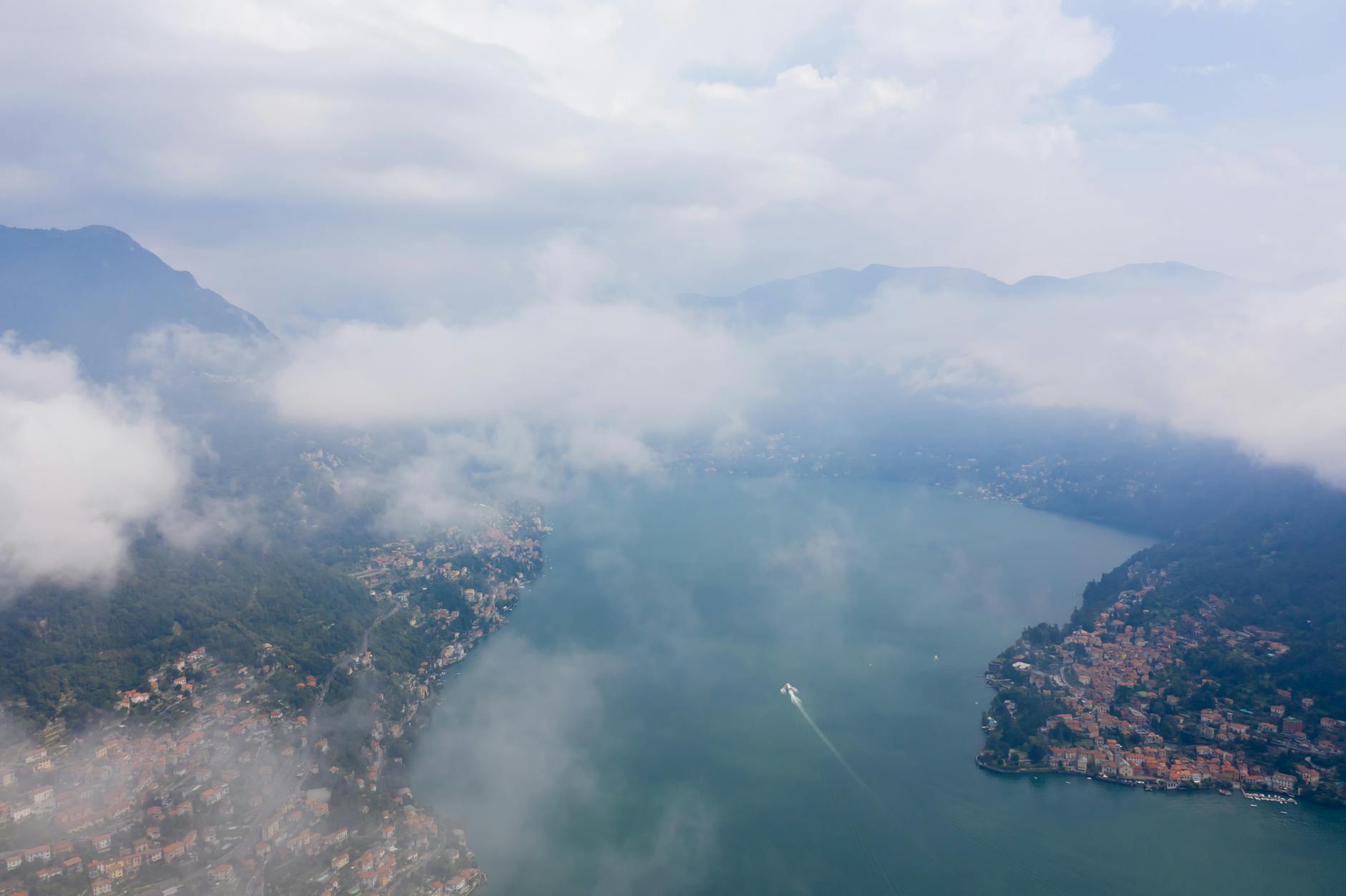
The case for sleeping on the water: after about 18:00, the day-trip coaches roll out, the ferries thin, and Bellagio and Varenna become small Italian towns again. Lights come on in the lake-facing villas across the water. Restaurants put out actual seasonal menus. The light at 19:30 over Tremezzo is the reason this region is on postcards. You miss all of that if you sleep in Milan.
If you want only the Milan side instead, I’d point you to my 3 days in Milan itinerary or, for a longer stretch, the one week Milan itinerary. For the lake-only version, the Lake Como day trip from Milan page covers the compressed approach. This article is for the combined route.
Day 1 — Milan core: Duomo, Galleria, Brera, and a real aperitivo
Arrive into Milano Centrale if you can — Malpensa Express runs €13 and dumps you at the main station in 52 minutes. Drop your bag. The first afternoon is for the obvious things, and that’s fine. They’re obvious for a reason.
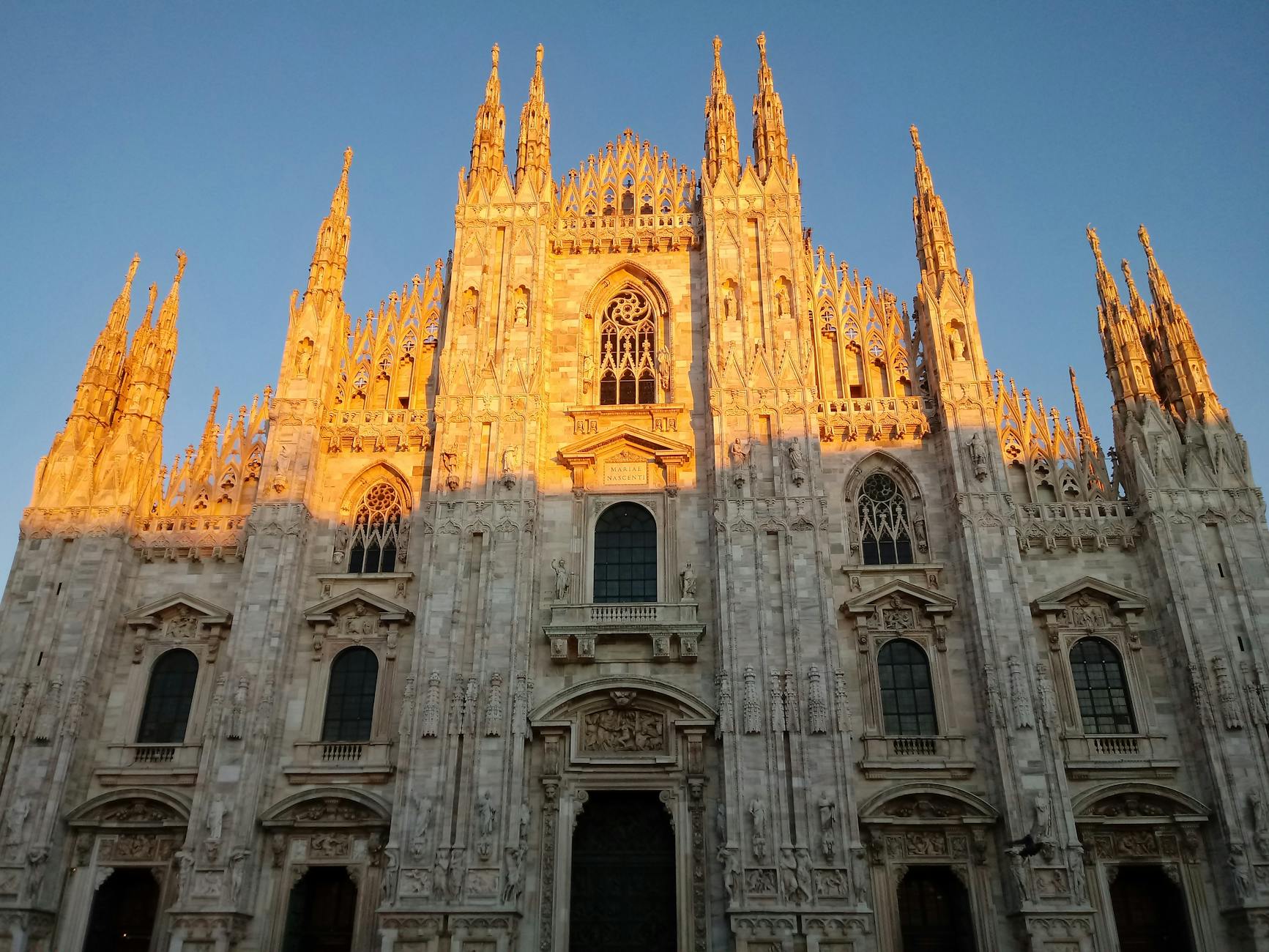
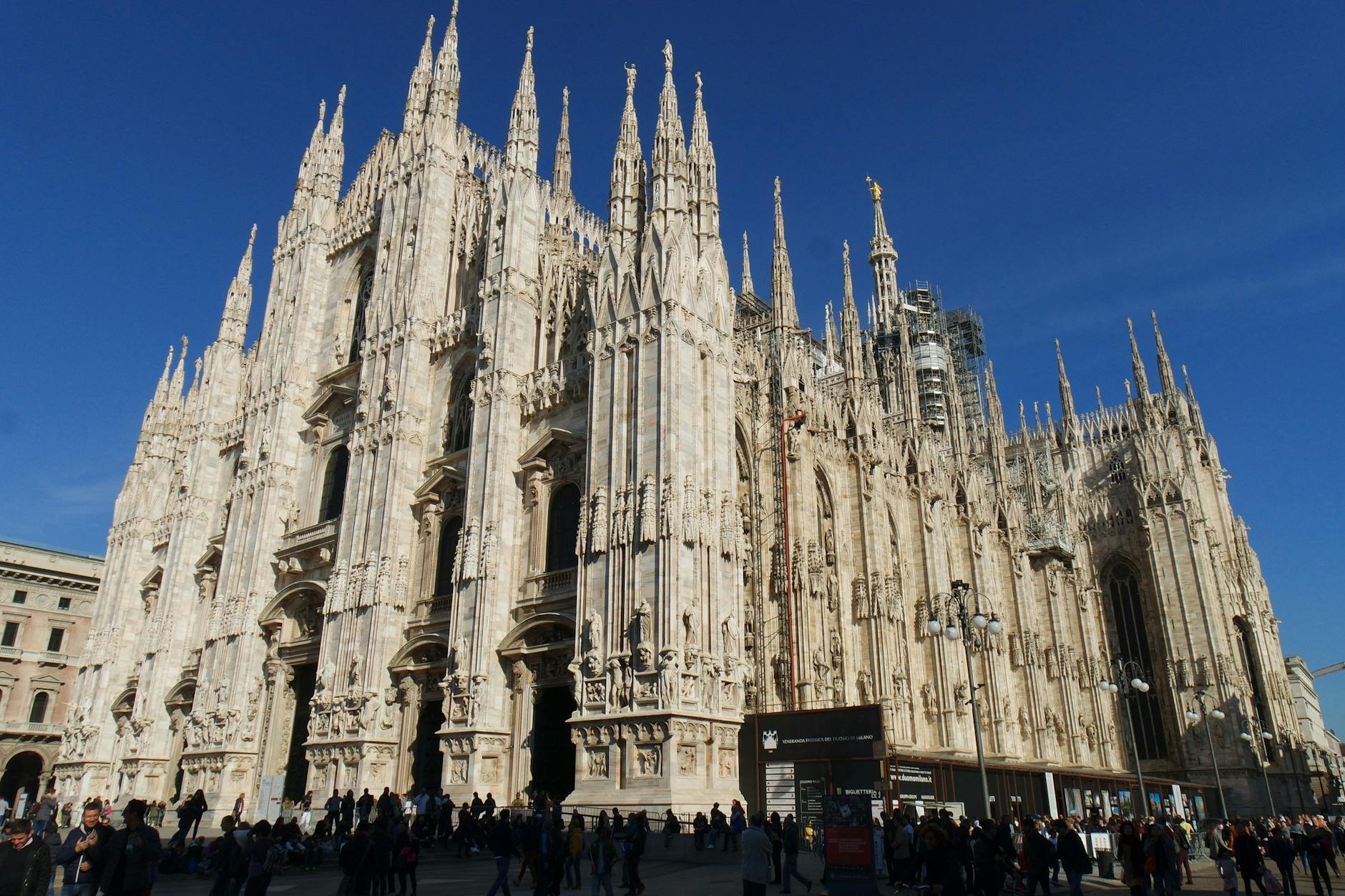
Walk to the Duomo from the M3 yellow line — get out at Duomo stop and the cathedral hits you on exit. Buy the rooftop ticket online before you go (around €17 with elevator; €13 by stairs). The rooftop is the thing here, not the nave. You walk among the spires. On a clear day you see the Alps. Give it 90 minutes.
From the cathedral, cut through the Galleria Vittorio Emanuele II. Do not pay €15 for a coffee at one of the table-service bars under the glass dome. Walk through, exit at Piazza della Scala, glance at La Scala if opera isn’t your thing, and head north into Brera. This is the neighborhood I’d live in if I lived in Milan. Cobbled, low-traffic, art-school energy. The Pinacoteca di Brera closes at 19:15 and is the city’s serious painting collection — Mantegna’s Dead Christ alone justifies the €15 ticket.
For aperitivo at 19:00, skip the Navigli on Day 1 (it’s Day 2). Go to N’Ombra de Vin in Brera, an old wine cellar with €12 spritzes and an actual buffet that’s not stale focaccia. Or, if you want something more design-forward, Dry Milano on Via Solferino for cocktails and pizza. Dinner at 21:00 is the Milanese norm — don’t show up at 19:30 expecting a table.
Day 2 — Milan deep cut: Sforzesco, the Last Supper, Navigli at dusk
The thing nobody tells you about Milan is that the second day is when it gets good. The first day is the postcards. The second day is the city.
Start with Santa Maria delle Grazie and Leonardo’s Cenacolo. Book this months in advance. I cannot overstate this. Tickets are €15 plus €2 booking fee on the official Vivaticket site, released in waves about four months ahead, and they vanish within hours. Slots are 15 minutes, 30 people. If you missed it, the consolation is the Castello Sforzesco — free to enter the courtyard, around €5 for the museums inside, which include Michelangelo’s Pietà Rondanini, his last unfinished sculpture. The Sforzesco is also a 10-minute walk from the church.
For lunch, get out of the tourist zone. Take the M2 green line to Porta Genova and walk into the Navigli — the canal district. Lunch at Trattoria Madonnina, Via Gentilino 6, hidden behind an unmarked gate. €18 for a plate of risotto alla milanese made with actual saffron and bone marrow. Locals only. They will give you grappa at the end whether you want it or not.
Afternoon options branch here. If you’re into contemporary art and design, the Fondazione Prada in the Largo Isarco neighborhood is a 20-minute tram south — Rem Koolhaas converted distillery, gold-leafed tower, Bar Luce designed by Wes Anderson. Two-hour minimum, €15. If you’d rather walk neighborhoods, Isola and the Bosco Verticale vertical-forest towers near Porta Garibaldi are free to look at and full of design shops.
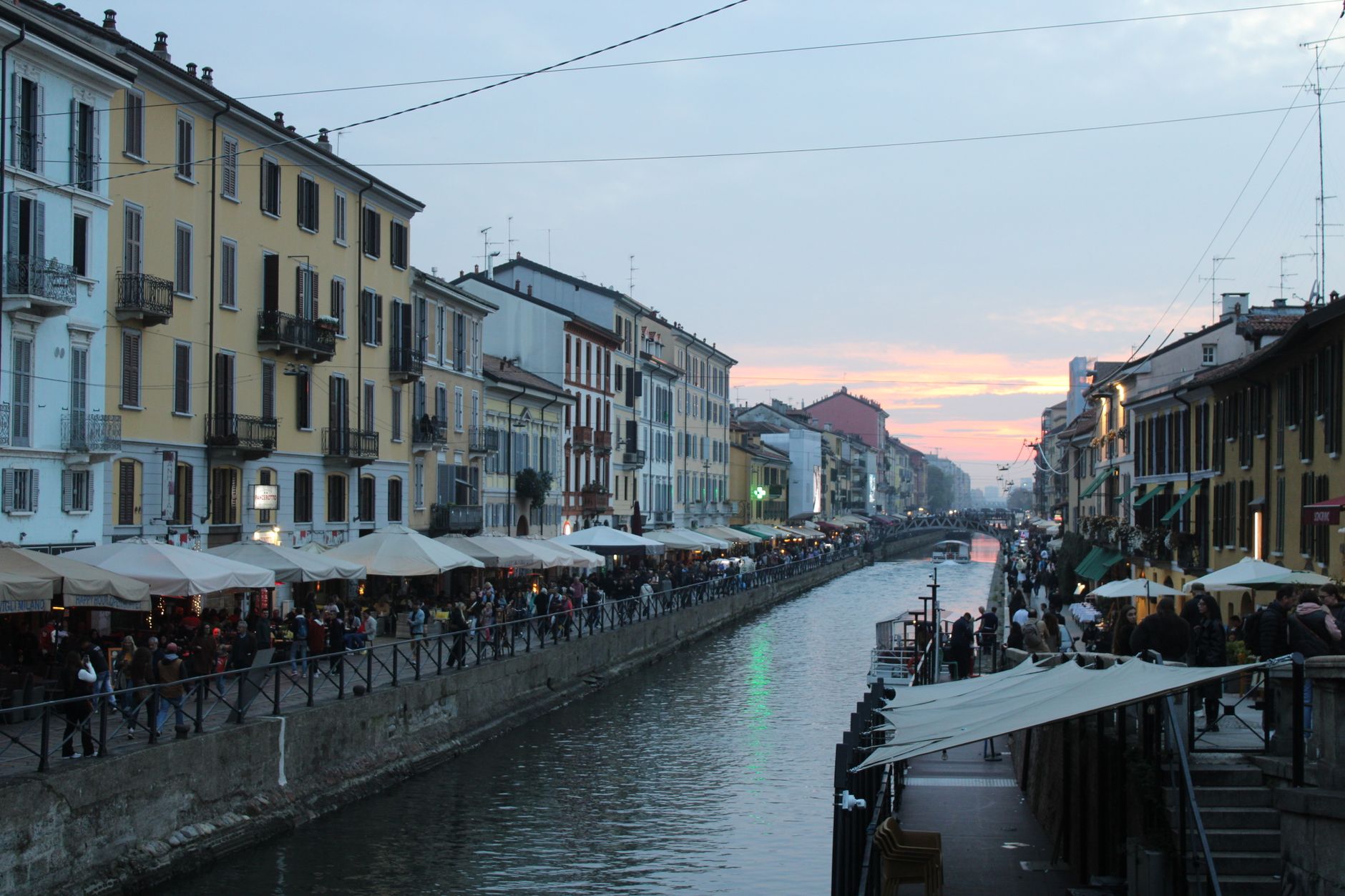
Evening: aperitivo on the Navigli as the sun goes down. The canal sides fill up. Mag Café for cocktails and Spritz on Ripa di Porta Ticinese, then walk along the water. Dinner at Al Pont de Ferr if you want a tasting menu (€85) or Osteria del Binari for a long Lombard meal under a wisteria pergola.
For more granular routes through the city itself, the 2 days in Milan itinerary covers a tighter version of these two days, and the Milan food guide goes deep on restaurants by neighborhood.
Day 3 — Transfer to the lake: which train, which station, which town
Check out of your Milan hotel by 11:00. Walk or metro to Milano Centrale. Now you decide where you’re sleeping for the next two or three nights, and that decision dictates which train you take. There are essentially three contenders.
Como (the town): The largest, most urban option. Trains from Milan to Como San Giovanni are about 40 minutes on Regionale (€5.20) or 36 minutes on EuroCity (€10–14). Como has the best restaurant range, a real centro storico, the funicular up to Brunate, and the most boats per hour. Downsides: it’s at the bottom tip of the lake, so reaching Bellagio takes 30+ minutes on the fast hydrofoil or two hours by slow ferry. Stay here if you want a real town with shops and nightlife, or if it’s your first trip and you want flexibility.
Bellagio: The “pearl of the lake,” peninsula at the center, best position for ferry-hopping in every direction. Trains don’t go to Bellagio — you train to Varenna and ferry across (€5.50, 20 minutes), or train to Como and boat up (€16, 2 hours). The walk-up is more expensive on hotels. Stay here if you want the iconic lake experience and don’t mind the logistics.
Varenna: My recommendation for most first-timers. Trains from Milano Centrale to Varenna-Esino run roughly hourly on the Trenord regional, take 65 minutes, cost €7.40 second class. The station is a five-minute downhill walk to the ferry pier. Varenna itself is smaller and quieter than Bellagio but you’re across the water from it, and the ferry runs constantly. Lower-priced hotels, better-priced restaurants, easy to reach Bellagio, Menaggio, and the Villa del Balbianello side.
I usually catch the 11:20 Trenord regional out of Centrale, arrive Varenna-Esino at 12:25, walk down to my hotel with rolling luggage (the cobbles are brutal — pack light), check in, and have lunch at Il Cavatappi on Via XX Settembre. Order the missoltini if it’s on the menu — sun-dried shad, a lake specialty, served with polenta.
Spend the afternoon in Varenna itself. The Passeggiata degli Innamorati, the lovers’ walk, is a wood-and-stone path bolted into the cliff that runs from the ferry pier around to the harbor — five minutes, free. Climb to the Castello di Vezio above town for the panoramic view that everyone Instagrams (€5, around 30 minutes up). End the day with an Aperol at Bar Il Molo on the harbor as the sun goes behind the Western shore.
Day 4 — Bellagio and ferry-hopping: Tremezzo and Villa del Balbianello
This is the day you stop and ask yourself if you actually live here now. Buy a Stretch 3 day pass from the Navigazione Laghi ticket window — €17.50, covers all the mid-lake stops, hop on, hop off, all day. Don’t bother with single tickets if you’re doing more than two crossings.
Catch the 8:50 ferry from Varenna to Bellagio. 20 minutes. The crossing itself is the postcard — Bellagio’s peninsula coming at you from the water with cypresses and pastel facades stacked up the hill. Land, walk up Salita Serbelloni (the famous staircase street) before the day boats arrive at 10:30. The shops are touristy but the silk scarves are real Como production, not imports — La Tessitura if you want one.
From Bellagio, take the 11:15 across to Tremezzo on the western shore. Lunch at La Darsena right on the water, around €30 for two courses. From Tremezzo, the smart move is to walk or take the local C10 bus three minutes south to Lenno, which is the access point for Villa del Balbianello.
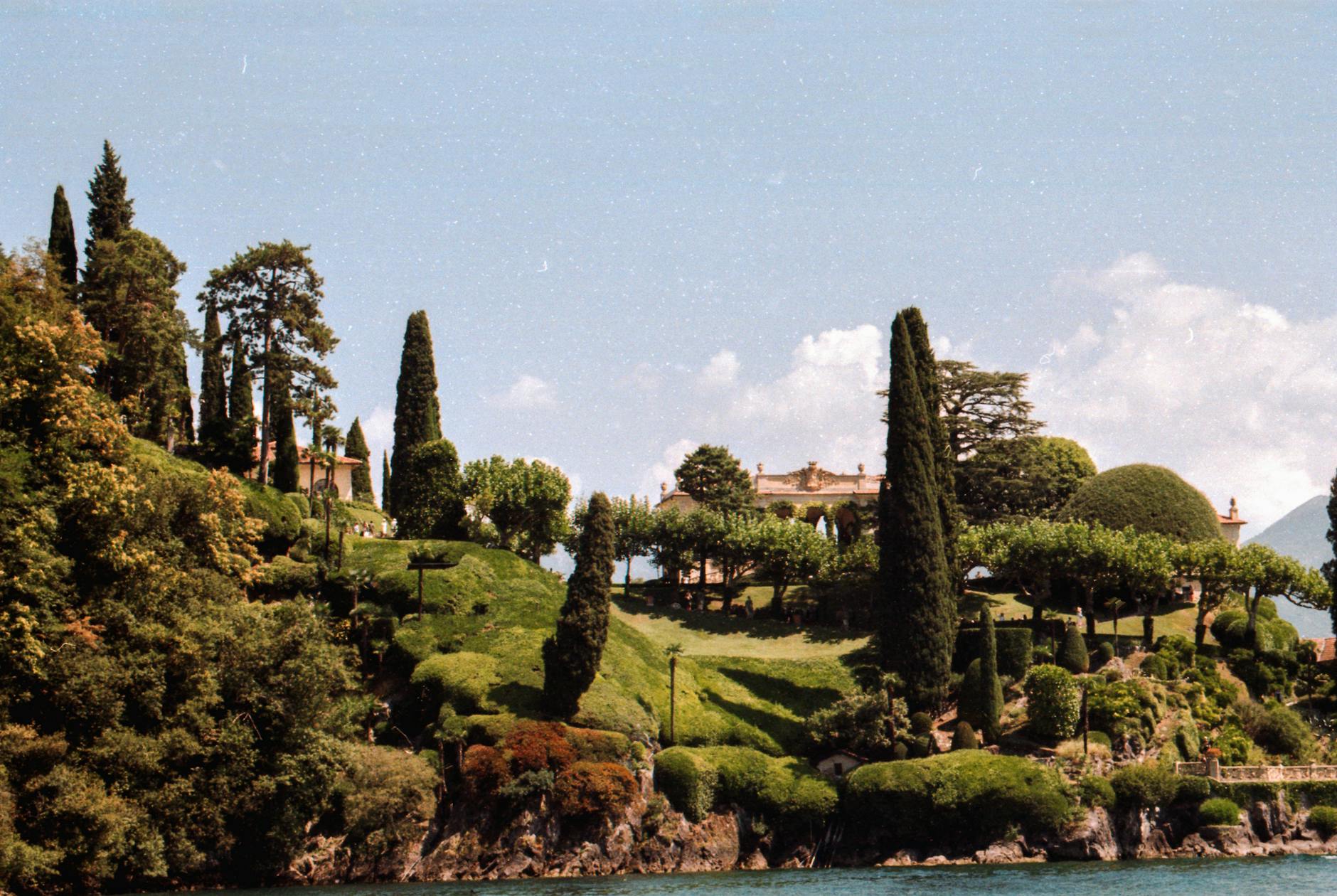
Balbianello is the villa from Casino Royale and Star Wars Episode II. €22 to enter the gardens, €11 more if you want a guided villa tour. From Lenno harbor, you either pay €8 for a small wooden taxi-boat to the villa pier (Tuesday and Thursday closures, so check), or you walk the lakeside path for about 25 minutes through Villa Balbiano’s forest. Walking is the move. The villa is open until 18:00; last entry 17:00. Plan two hours total.
Ferry back from Lenno to Varenna in the late afternoon — there’s a slow-ferry connection around 17:30. Dinner in Bellagio if you want to do the ferry both ways, or settle into Varenna for a long table at Vecchia Varenna with the lake under your feet — €55 a head, no rush.
Day 5 — Varenna slow day, with a Lugano or Lecco add-on
Day 5 is the buffer. Use it however the trip has shaped up. Three options I’ve actually done.
Option A: Stay on the lake and do nothing in particular. This is the underrated choice. Rent a small motorboat from Aquaseven in Bellagio or Barindelli for €120–180 for half a day with no license required (under 40 horsepower). Putt around the shore, pull up to a lakeside trattoria for lunch, swim if it’s July or August. Honestly this is what the lake is for and most itineraries skip it because it doesn’t fit a checklist.
Option B: Day trip to Lugano, Switzerland. Lugano is 25 minutes by train from Como San Giovanni, about €12 each way. Different currency (Swiss francs), different language register (still Italian-speaking, but Swiss-Italian), a tighter and wealthier lakefront than Como. Funicular up Monte San Salvatore for €30 round-trip and an alpine panorama. Border-crossing required even within Schengen — bring your passport. Full breakdown on the Lugano day trip from Milan page.
Option C: Lecco and the eastern shore. Less visited, more local. Lecco is at the bottom of the eastern leg of the Y-shaped lake, train-connected, and home to I Promessi Sposi (Manzoni’s novel — Italy’s Pride and Prejudice, basically). It has actual residents, a Saturday morning market, a lakefront with fewer tour groups. Lunch at Trattoria Vecchia Lecco for €25. Train back to Milan from Lecco directly in 50 minutes if you’re flying out the next morning.
However you spend the day, build in a return-to-Milan train in the evening. Varenna to Centrale on the 19:32 puts you at the main station around 20:45 — early enough for a last-night dinner in Brera.
Where to eat — split between city and lake
Five places I’d send anyone, with prices and what to order.
- Trattoria Madonnina (Milan, Navigli — Via Gentilino 6). Classic risotto alla milanese, cotoletta, house wine. Around €25–30 a head. Cash preferred, no English menu, no reservations after 13:00.
- Ratanà (Milan, Isola — Via Gaetano de Castillia 28). One Michelin star but priced like a serious bistro. Lombard tradition reworked. €55 for three courses. Book a week ahead.
- Il Cavatappi (Varenna — Via XX Settembre 10). Tiny stone-walled room, six tables, lake fish and pizzoccheri. €35 per person. They open at 19:30, often booked by 20:00.
- La Punta (Bellagio — at the tip of the peninsula). Lake on three sides, sunset views west. Pricey at €60 a head but the location is unmatched. Lunch is half the cost of dinner.
- Crotto dei Platani (Brienno, between Como and Tremezzo). Old wine cellar carved into the rock, on the water, accessible only by ferry to Brienno or by car. Tasting menu €70. The drive home along the SS340 is half the experience.
For Milan-only deep dives, see the Milan food guide.
Where to stay — Milan and lake compared, with three picks by budget
In Milan, the question is mostly which neighborhood, not which hotel. Brera and Centro for first-timers; Porta Nuova and Isola if you want modern and walkable; Navigli if you want bars at your doorstep and don’t mind the noise; Porta Romana if you want quiet and a 10-minute metro to everything. My full neighborhood breakdown is in where to stay in Milan.
Milan picks:
- Budget — Babila Hostel, Porta Vittoria. Private rooms from €80, dorms from €35. Good rooftop bar, walking distance to Duomo.
- Mid — Senato Hotel, near Porta Venezia. Around €240/night, courtyard pool, design-forward.
- Splurge — Mandarin Oriental Milan, Via Andegari. €750+/night, two Michelin restaurants in-house, between La Scala and Brera.
Lake picks (per town):
- Varenna budget — Albergo Milano, family-run, lake-view rooms from €170. Best value on the central lake.
- Bellagio mid — Hotel Florence, 19th-century building on the main square, around €280/night with breakfast included.
- Tremezzo splurge — Grand Hotel Tremezzo, the lake-floating pool one, €900+/night in season but the most iconic stay on Como.
Transport between Milan and Lake Como — stations, tickets, luggage
The single biggest mistake travelers make is buying the wrong train. There are three stations in Milan and two stations in Como, and they’re not interchangeable.
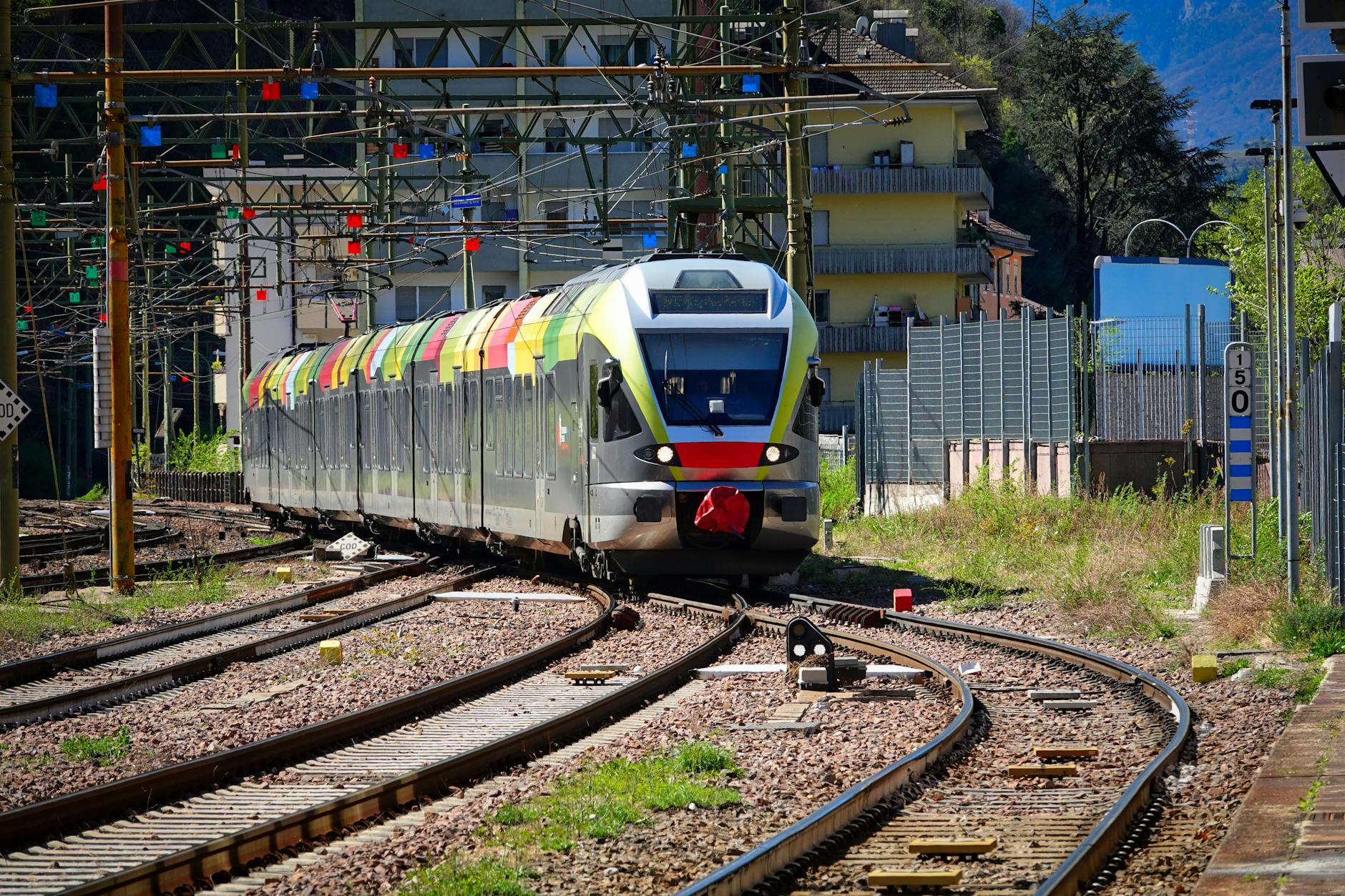
For Varenna and the central lake, you want Milano Centrale on the Trenord regional toward Tirano or Sondrio. Stops at Varenna-Esino. €7.40 second class, 65 minutes, hourly. Buy at the machine or via the Trenord app — no need to reserve. Validate paper tickets in the green machines on the platform or you’ll be fined.
For Como town, you have a choice: Milano Centrale to Como San Giovanni on EuroCity (€10–14, 36 minutes) or Milano Cadorna to Como Nord Lago on Trenord (€5.20, 60 minutes). Como Nord Lago is the better station — it puts you 30 seconds from the lakefront. Como San Giovanni is 15 minutes uphill to the water.
Luggage on Lake Como ferries is free for one bag per person. Trains too. But cobbled streets in Varenna and Bellagio are murder on rolling suitcases — there are 80 steps from Bellagio’s ferry pier to most hotels. Pack a duffel or a backpack if you can. If not, accept that you will look ridiculous and that’s fine.
For Milan-side public transport, the Milan transport guide covers metro, tram, and airport options in detail.
Practical tips and when this combo doesn’t work
A few things I wish someone had told me the first time.
- The lake’s main ferries are run by Navigazione Laghi, the public service, not the private tour boats parked at every pier. Public ferries are half the price and follow a published timetable. Look for the white-and-green livery.
- Ferries stop running early — last departures around 19:30 in shoulder season, 20:30 in summer. If you have dinner across the lake, check the return time before you sit down.
- Bellagio in July and August between 11:00 and 16:00 is genuinely unpleasant. Day-trip coaches from Milan and lake cruise day-trippers all converge. Do Bellagio early morning or late afternoon.
- Most museums and many restaurants close on Mondays. Plan your transfer day for Monday if possible.
- August in Milan is dead — many restaurants close for two to three weeks for Ferragosto. The lake stays open but is at peak crowd. Avoid the first three weeks of August if you can.
When this combo doesn’t work: if you have fewer than four nights total, pick one. Doing both in three nights means you spend half your time on trains. Better to do 3 days in Milan with a single Lake Como day trip built in. Also: if you’re flying into Malpensa late and out of Linate early, the logistics of a lake hop eat your trip. Stay in Milan and day-trip.
If your trip has flex for more day trips, the day trips from Milan page lists Bergamo, Pavia, Verona, and a few others worth your time.
Best time of year for the combined trip
I’ve done the Milan + Como trip in every season except deep winter, and these are the trade-offs.
Late April through early June is the sweet spot. Wisteria in bloom on every villa wall in Bellagio, ferries on full summer schedule from April 1, restaurants opening their lake-side terraces, weather warm enough for outdoor dinner but not the humidity wall of August. Expect daytime highs around 22°C, water still cold for swimming. Book hotels three months out — this is high season for European travelers too.
Mid-September through mid-October is the other great window. Crowds drop dramatically after the second week of September. Restaurants still in full operation. Water is actually warmer than in spring, around 21°C, swimmable. Light gets lower and more cinematic. October is the only time I’d stay in Bellagio specifically — it empties out and you get the town to yourself.
July and August: hot (35°C+ in Milan, only slightly cooler on the lake), packed, and you’ll wait 40 minutes for some ferries. Hotels at peak prices. Avoid unless you’re swimming-focused.
November through March: Milan is great (opera season, Christmas markets, design events) but many lake hotels close from November through Easter. Ferry service is reduced. If you’re doing the combo in winter, plan to base mostly in Milan with one or two day visits to Como town (open year-round) rather than mid-lake.
Frequently asked questions
How many days do you need for a Milan and Lake Como itinerary?
Five nights is ideal: two in Milan, three on the lake. Four nights also works (2+2). Less than four, pick one — a compressed three-night trip means too much time on trains and not enough time experiencing either place. For a longer trip, the 5 days in Milan itinerary can be combined with two lake nights for a strong week.
Is it better to stay in Bellagio, Varenna, or Como town?
For first-time visitors I recommend Varenna — direct train from Milan, walkable to the ferry, central position on the lake, lower hotel prices than Bellagio. Stay in Bellagio if you want the iconic location and don’t mind the steps and the boat-only access. Stay in Como town if you want urban amenities, restaurant variety, and the fastest train from Milan.
Can you visit Lake Como as a day trip from Milan instead?
You can, but you’ll see one town and feel rushed. The Lake Como day trip from Milan guide covers how to do it well. For the actual lake experience — evenings, ferries, multiple towns — you need at least one overnight.
What’s the cheapest way to get from Milan to Lake Como?
Trenord regional from Milano Centrale to Varenna-Esino, €7.40 second class, 65 minutes. Or Trenord regional from Milano Cadorna to Como Nord Lago, €5.20 second class, 60 minutes. Both are cheaper than driving once you account for the ZTL (limited traffic zone) restrictions and lake parking, which runs €25–40 per day.
Do I need to book ferries in advance for Lake Como?
No. Buy single tickets or a day pass at the pier when you board — there’s no advance reservation for the public ferries. The Stretch 3 day pass at €17.50 is the best value if you plan three or more hops. Private tour boats and fast hydrofoils are separate from the public service and slightly pricier.
Can I do a Milan layover and squeeze in Lake Como?
Only if your layover is 12+ hours and you skip Milan itself entirely. See the Milan layover guide for realistic options. Otherwise the math doesn’t work — three hours of train time eats too much of the day.
Final thoughts
The reason the Lake Como and Milan itinerary works so well is that the two halves are doing different things. Milan gives you the design, the food culture, the art, the urban energy — three Michelin stars, a Last Supper, a rooftop with the Alps on the horizon. Lake Como gives you slowness, a single ferry whistle a town, light off the water, and the kind of dinner that runs from 20:00 to 23:00 without anyone hurrying you. Try to do them in the same register and they cancel out. Treat them as two distinct trips that happen to be 65 minutes apart by train, and they become the strongest five-day trip in northern Italy.
A few final reminders. Book the Cenacolo the moment your dates are confirmed. Pack light because of the cobbles. Use Trenord, not the more expensive EuroCity, for the Varenna route. Get the ferry day pass. Eat dinner at 21:00 like a local. And give yourself one full afternoon on the lake with no plan — that’s the part of the trip you’ll remember.
For more route options through the region, the Milan itineraries guide covers everything from one-day layovers to two-week northern Italy loops.