Here is the good news that surprises first-time visitors: Milan is one of the easiest big cities in Europe to get around. The centre is compact enough to walk, the metro is clean and fast, the trams are a sightseeing trip in their own right, and you can now tap a contactless card straight onto the gates without buying a ticket at all. Forget the car, learn three or four lines, and the whole city opens up for the price of a coffee.
Getting around Milan is best done by walking the centre and using the ATM metro, tram and bus network for everything else. A single ticket costs around €2.20 and covers 90 minutes of travel, or you can tap a contactless card or phone directly at metro gates and on board. Skip driving entirely, thanks to congestion charges and restricted zones, and use the trains for day trips beyond the city.
This guide explains every way of getting around Milan, from the metro lines and tram routes to airport transfers, taxis, bikes and the trains that carry you out to the lakes. It is the transport hub of the site and underpins every other plan you make here, so it pairs naturally with our Milan itineraries guide and our advice on where to stay.
Getting around Milan at a glance
| Mode | Best for | Rough cost |
|---|---|---|
| Walking | The compact historic centre | Free |
| Metro (4 lines) | Crossing the city fast | ~€2.20 single / ~€7.60 day |
| Tram and bus | Short hops and scenic routes | Same ticket as the metro |
| Taxi or ride-hail | Late nights and luggage | €10–€20 across the centre |
| Bike or e-scooter share | Short, flexible trips | From ~€1 plus per minute |
| Regional train | Day trips to lakes and towns | €5–€15 each way |
Treat those fares as a guide and check current prices, as the transport authority adjusts them periodically. One ticket type covers the metro, trams and buses across the urban area, which keeps things refreshingly simple once you understand the basics below.
The Milan metro: your fast backbone
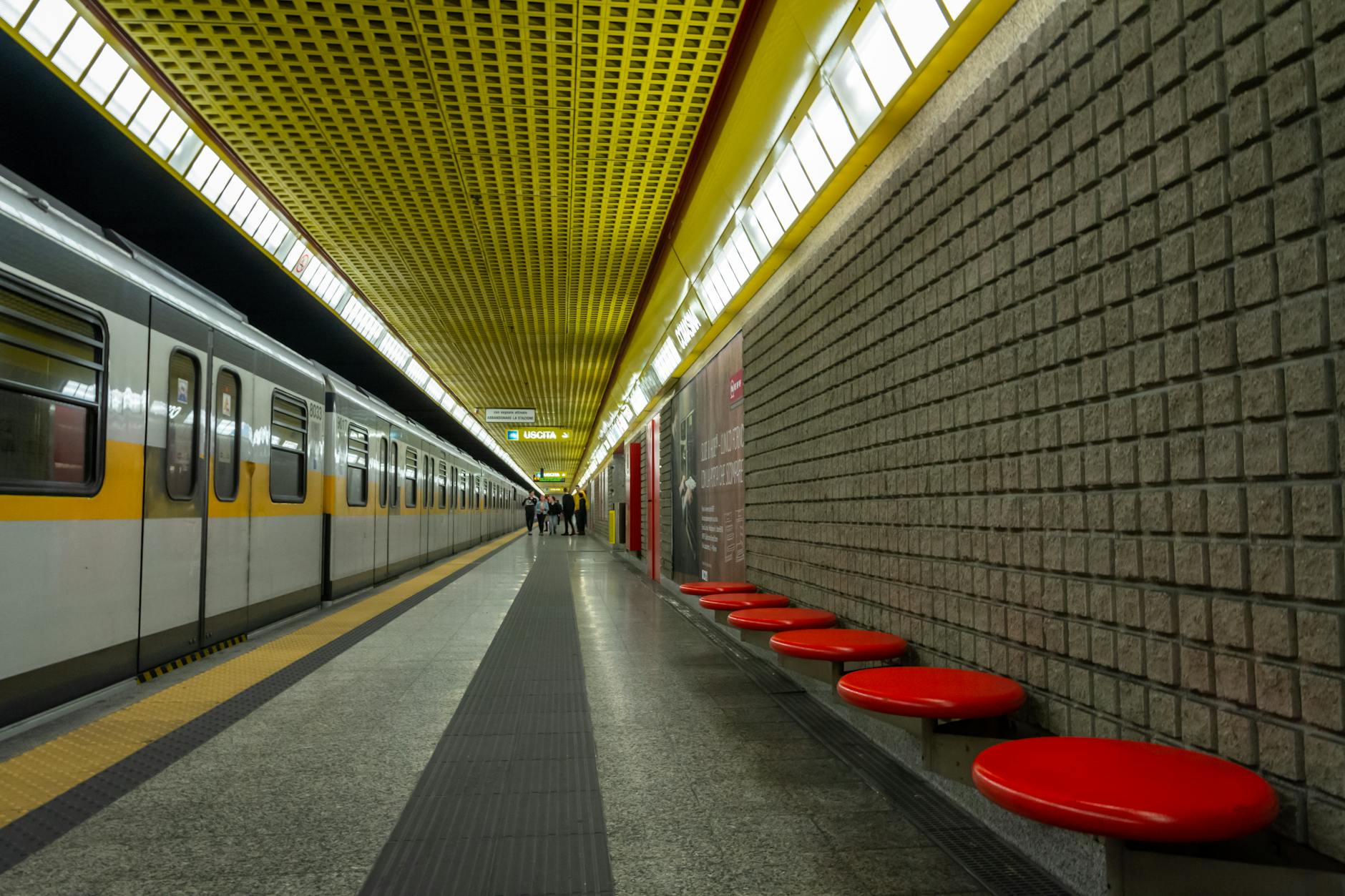
The metro, run by ATM, is the quickest way to cross Milan and the system most visitors lean on. It has four colour-coded lines that meet at central interchanges, so you can reach almost anywhere with a single change. The M1 (red) runs through the historic core, with stops at the Duomo and the main shopping streets, making it the line tourists use most. The M2 (green) links the Centrale and Garibaldi stations with the Navigli and Porta Genova in the south. The M3 (yellow) connects Centrale, the Duomo and the southern suburbs, while the newest M4 (blue) line is the one that changed the game, running from Linate airport into the heart of the city.
The metro runs from roughly 6am until just after midnight, with trains every few minutes, so you rarely wait long. Stations are well signposted in both Italian and English, and the maps inside each carriage make line changes easy to follow. A couple of habits help: stand to the right on escalators, let passengers off before boarding, and keep a hand on your bag at the busiest central stops, where pickpockets work the crowds. For reaching the headline sights, the M1 and M3 to the Duomo will do most of your heavy lifting, and you can plan a whole day around them with our Milan in one day itinerary.
Trams and buses: the scenic way across town
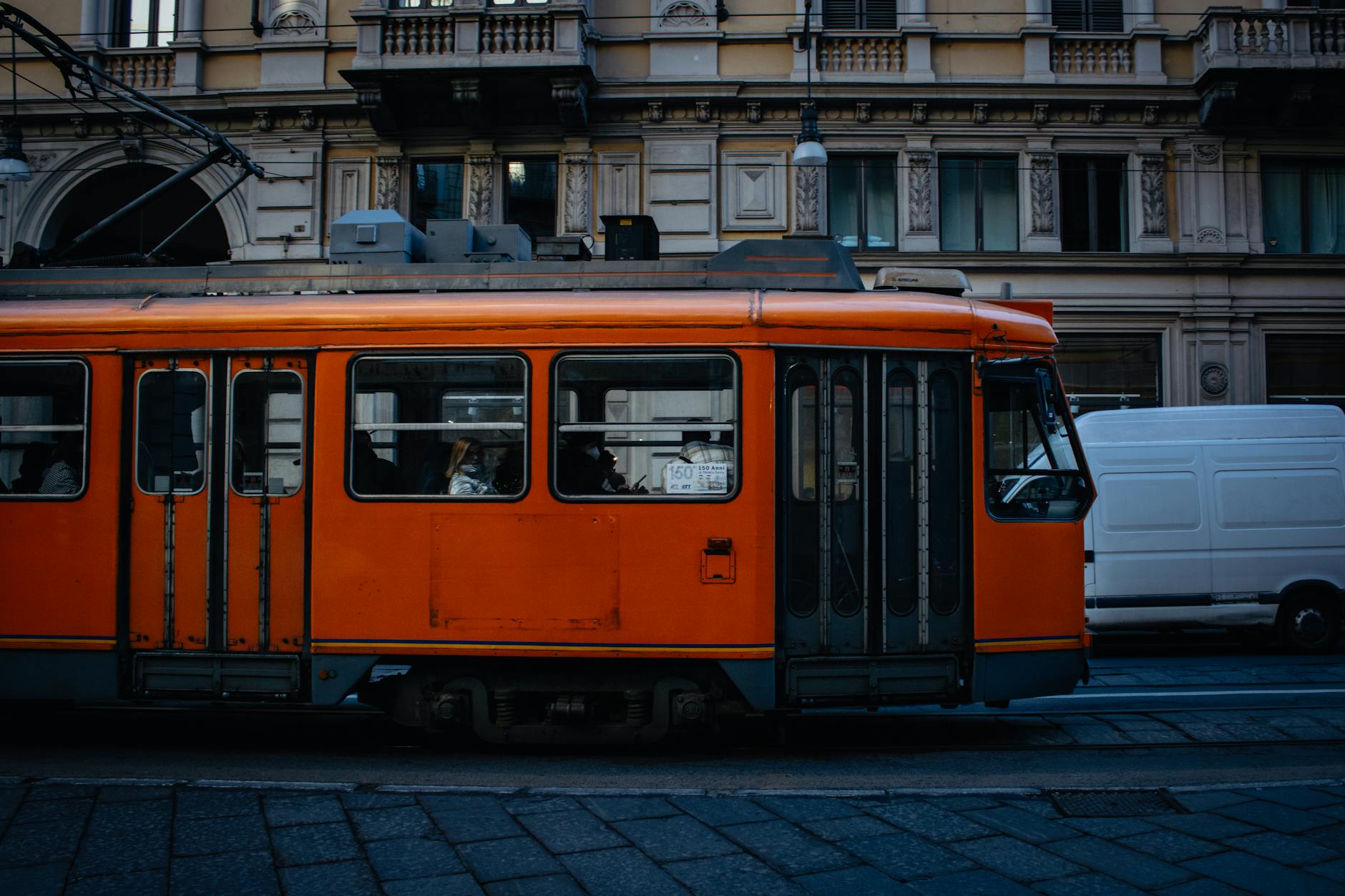
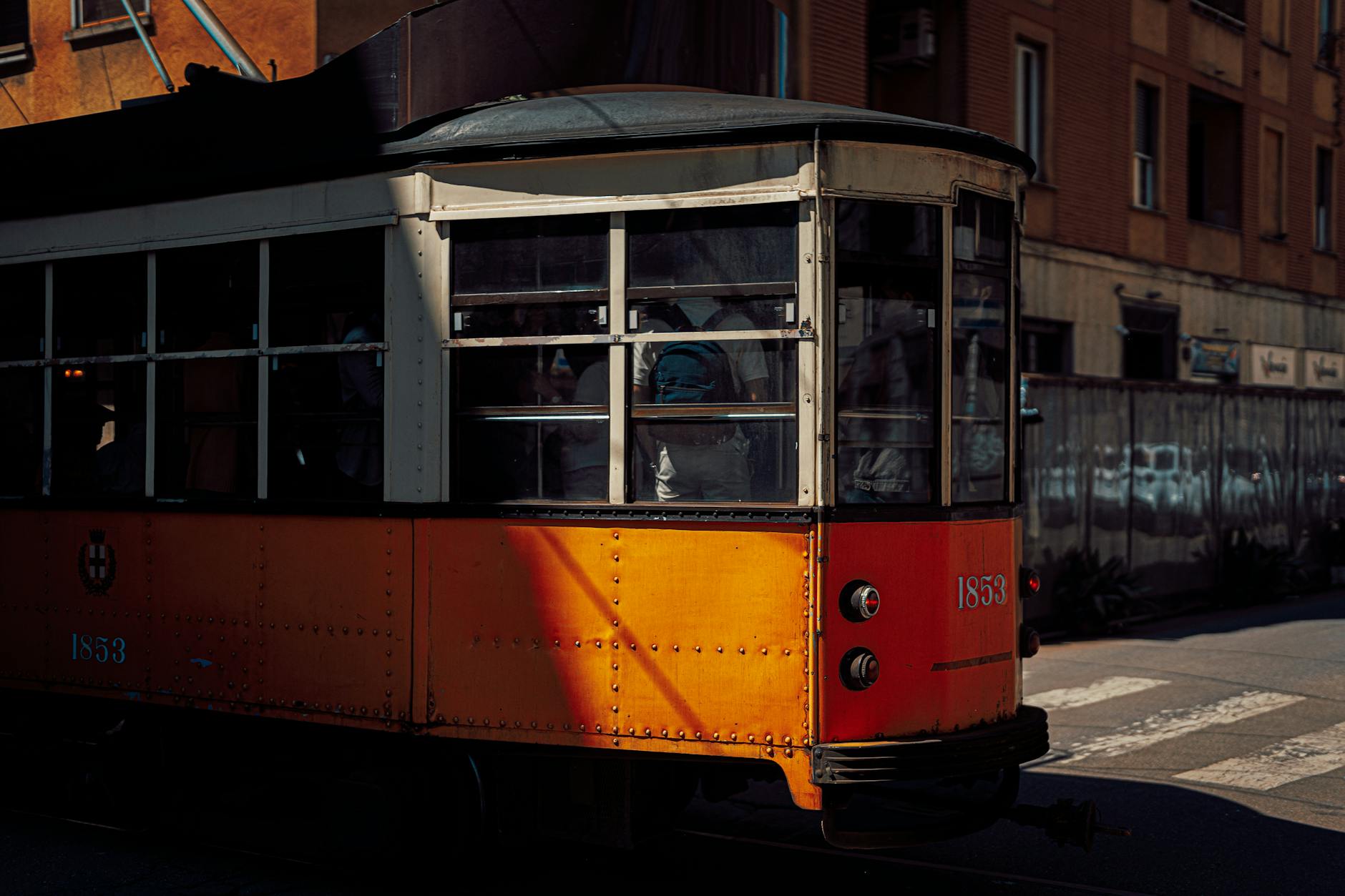
Milan’s trams are a joy and a genuine part of the city’s character. Alongside the modern carriages, you will still see the beautiful orange 1920s “Carrelli” trams rattling along central routes, their wooden interiors unchanged in a century; riding one is a free sightseeing trip in disguise. Trams fill in the gaps the metro leaves and often follow more scenic, street-level paths, so for shorter hops above ground they can beat going underground. They use exactly the same ticket as the metro.
Buses and trolleybuses extend the network further still, into the neighbourhoods and out to the edges of the city where the metro does not reach. They are reliable and useful for specific journeys, though for most visitors the metro and trams cover the essentials. When the metro stops for the night, a network of night buses keeps running on the main corridors, which is worth knowing if your evening out in the Navigli or another district runs late; our nightlife guide has more on getting home after dark.
Tickets and fares: how to pay
Milan’s ticketing is simpler than it first looks. The standard single urban ticket costs around €2.20 and is valid for 90 minutes, during which you can take one metro journey plus unlimited connecting trams and buses. If you plan several trips in a day, a 24-hour ticket at roughly €7.60 or a three-day ticket around €13 quickly pays for itself, and there are carnets and weekly passes for longer stays. The urban fares cover the central zones where virtually all sightseeing happens; trips further out, such as to Malpensa airport, cost more.
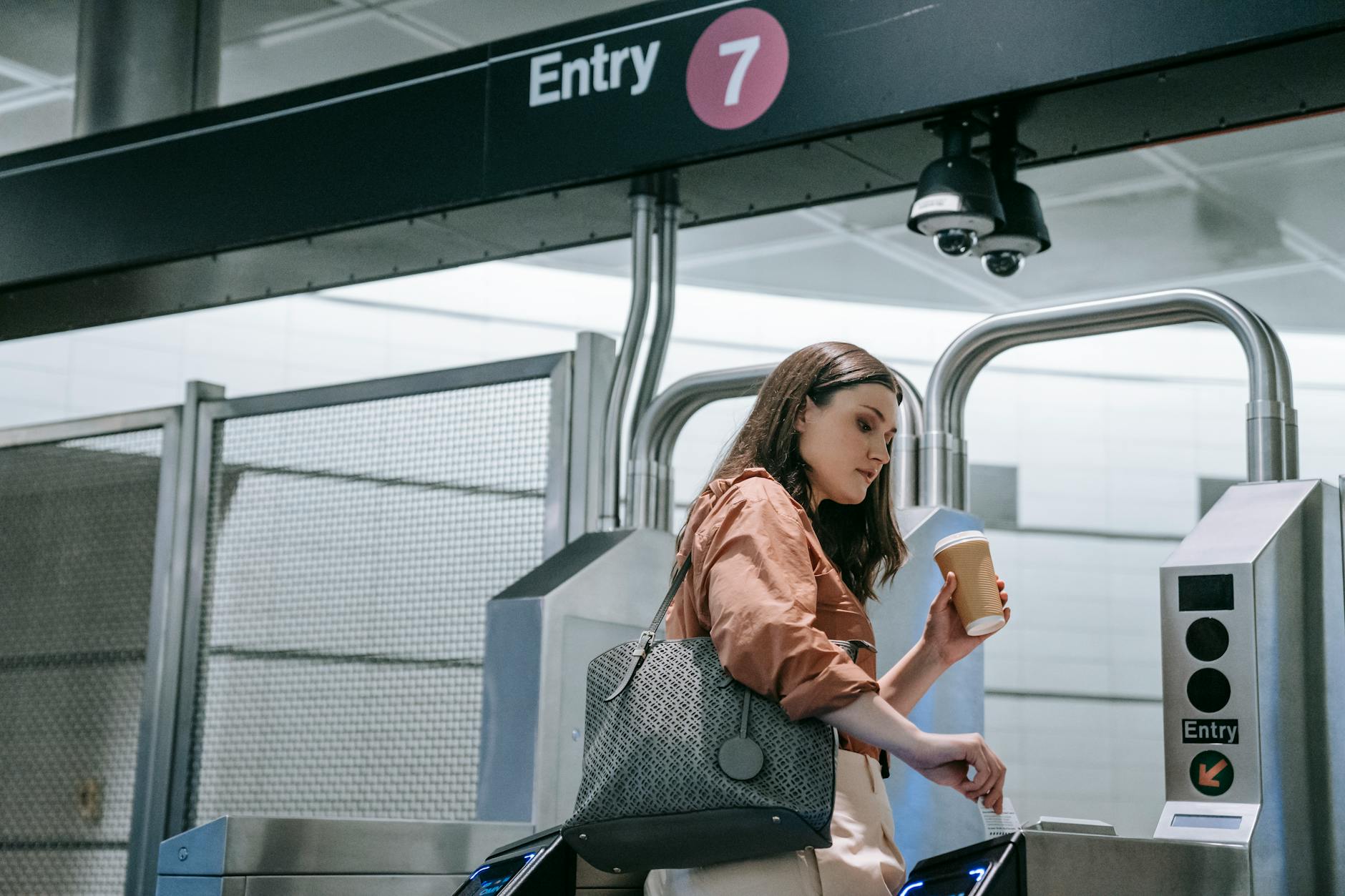
The biggest convenience is contactless payment. You can tap a contactless bank card, phone or smartwatch directly on the metro gates and on board trams and buses, and the system automatically charges you the single fare and caps your spend at the day rate, so you never need to work out which ticket to buy. Just remember to tap the same card every time, and to tap out on the metro for longer journeys where required. If you prefer a paper ticket, buy from the machines and tobacconists, and always validate it. Keeping transport costs down is a theme of our Milan on a budget guide, where passes feature prominently.
Getting to and from the airports
Milan is served by three airports, and each has a clear best route into town.
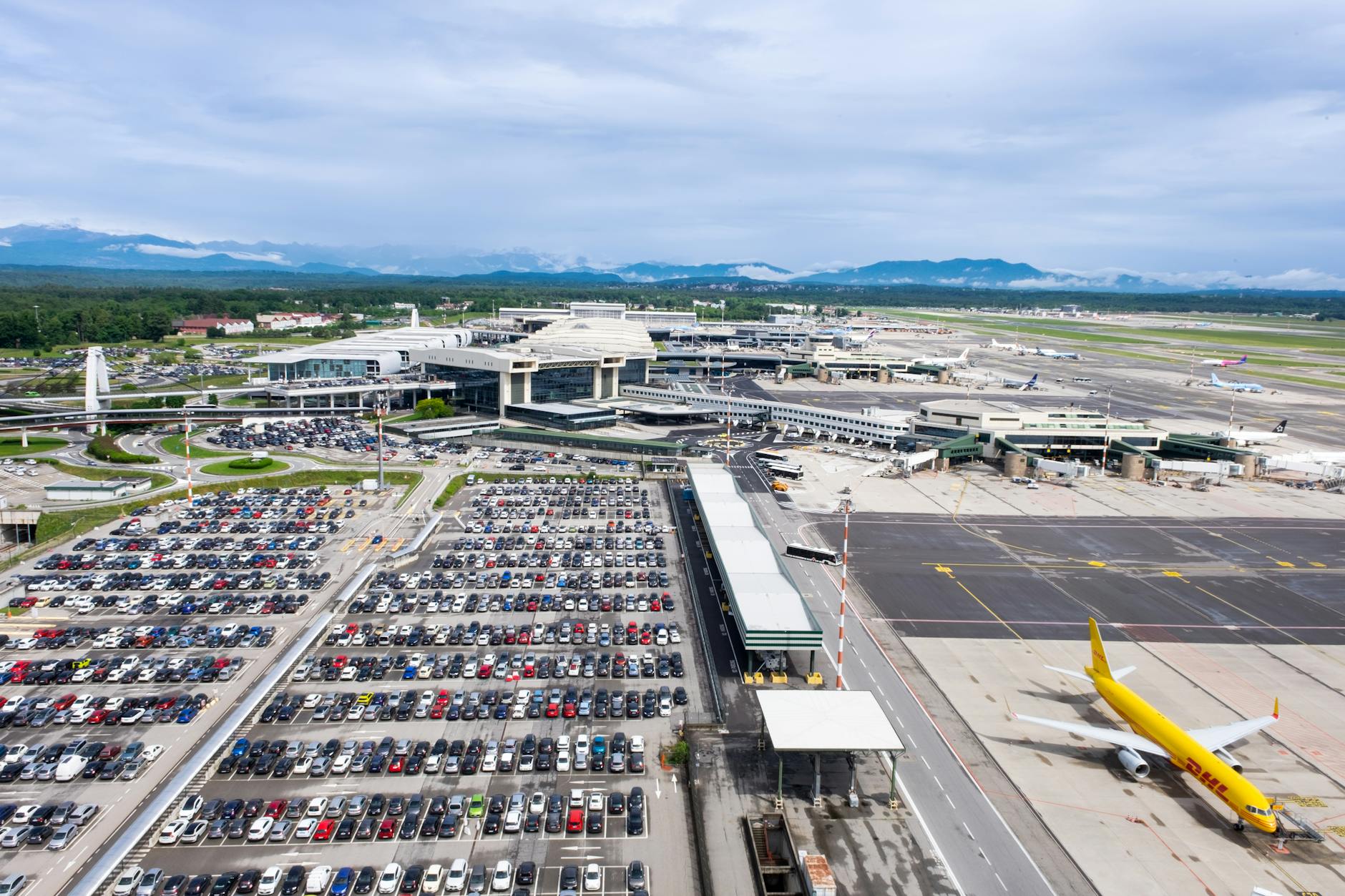
Malpensa (MXP) is the largest and furthest out, about 50 kilometres northwest. The simplest connection is the Malpensa Express train, which runs every half hour to the Cadorna and Centrale stations in around 50 minutes for roughly €13. Coaches from several operators also run to Centrale for a little less, taking 50 to 60 minutes depending on traffic. Linate (LIN), the close-in city airport, is now the easiest of all: the M4 metro line links it to the centre in about 15 minutes for the price of a normal urban ticket, a huge improvement on the old bus. Bergamo Orio al Serio (BGY), the low-cost hub, sits about an hour away, connected to Centrale by frequent coaches for around €7 to €10.
For all three, the public options are cheaper and often faster than a taxi in traffic, though a taxi makes sense with heavy luggage, a very early flight or a group splitting the fare. Whichever airport you use, factor the transfer into your arrival plan, as covered in our itineraries guide; if you are landing late, our hotels near Milano Centrale guide points to convenient places to drop your bags near the train links.
Taxis and ride-hailing
Milan’s taxis are the official white cars, and the key thing to know is that you generally cannot flag one down on the street as you might in other cities. Instead, find a taxi rank, which sit outside stations, major squares and big hotels, or book one by phone or through an app. Fares are metered and reasonable for short central hops, typically €10 to €20 across the middle of the city, with surcharges for luggage, late nights and holidays. From Malpensa, a fixed flat fare of around €110 into the centre applies, which is worth confirming with the driver before you set off.
App-based options exist alongside the traditional fleet. FreeNow and itTaxi connect you to the licensed white taxis through your phone, while Uber in Milan generally operates at the pricier “Black” end rather than the cheap rides found elsewhere. For most visitors, the metro and trams handle daytime travel and a taxi or ride-hail is the sensible call only late at night, in the rain, or when you are weighed down with shopping bags after a trip through the shopping districts.
Bikes, e-scooters and walking
For short, flexible trips, Milan’s shared bikes and scooters are handy. BikeMi is the city’s official bike-share scheme, with docking stations across the centre and both regular and electric bikes, bookable through its app. Several private operators also scatter e-scooters and e-bikes around the streets, unlocked with an app for a small starting fee plus a per-minute rate; they are convenient for one-way hops, though ride them carefully on the tram-lined, cobbled streets and park them considerately.
Most of all, though, walk. The historic centre is small and dense, and many of the best sights, the Duomo, the Galleria, La Scala, the Sforza Castle and the Quadrilatero shopping streets, sit within a 20-minute walk of one another. Walking is free, it is the only way to catch the city’s courtyards and details, and it often beats waiting for a tram for a short journey. Pair it with our things to do guide and you can string the central highlights into one easy stroll, and our free things to do guide shows how much of the city costs nothing to enjoy on foot.
Should you drive in Milan? (Almost certainly not)
Driving in central Milan is a headache best avoided. The city centre lies inside Area C, a congestion-charge zone you must pay to enter on weekdays, while a much larger Area B low-emission zone bars older, more polluting vehicles from almost the whole city. On top of that, many central streets are ZTL limited-traffic zones closed to non-residents, with cameras issuing fines automatically, and parking is both scarce and expensive. For getting around the city itself, a car is slower, costlier and more stressful than the metro.
The one time a rental makes sense is for exploring rural areas the trains do not reach well, such as parts of the lakes or the wine country, and even then it is usually easier to pick the car up as you leave town rather than drive it in the centre. For nearly every day trip, the train is the better tool, as the next section explains. If you are weighing a self-drive excursion, our day trips guide notes which destinations genuinely benefit from a car and which are better by rail.
Trains for day trips beyond the city
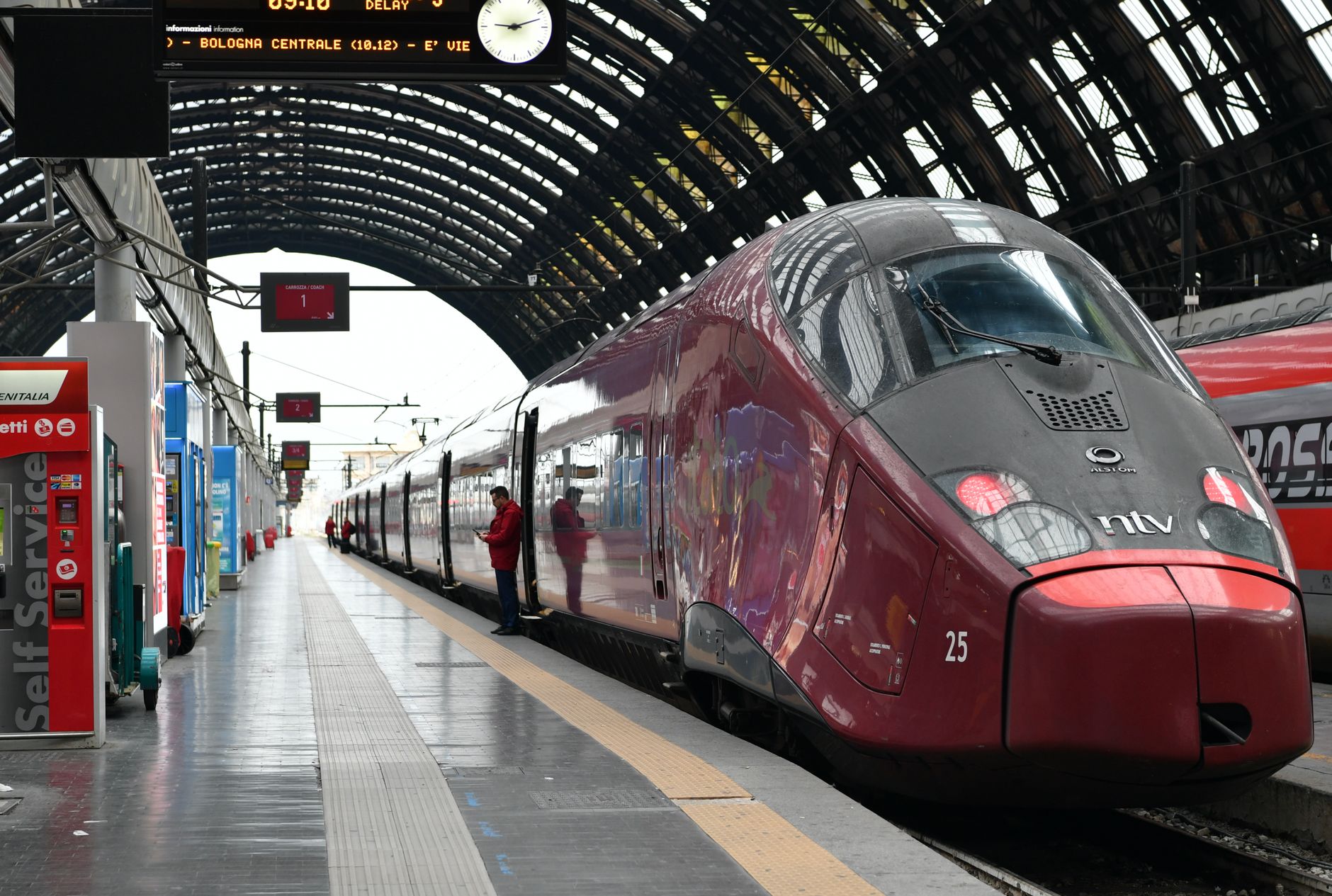
One of Milan’s great advantages is its position at the centre of Italy’s rail network, which makes day trips wonderfully easy. The city has several stations, but two matter most to visitors: grand Milano Centrale, the hub for high-speed and many regional services, and Cadorna, the terminus for the Malpensa Express and trains toward Como and the northwest. Porta Garibaldi and Porta Genova handle further regional routes.
Two kinds of train serve day-trippers. High-speed services from Trenitalia and Italo whisk you to Turin, Verona, Bologna and beyond in an hour or two, best booked ahead for lower fares. Regional trains, run mainly by Trenord, are cheaper, need no reservation and serve the closer destinations: Lake Como in around an hour, the walled hill town of Bergamo in a similar time, and the other lakes and towns gathered in our day trips guide. For regional journeys, buy a ticket, validate it before boarding where it is not already dated, and simply turn up; the flexibility is part of the charm.
Practical tips for getting around Milan
A handful of pointers will smooth every journey. Mind the rush hours, roughly 8 to 9.30am and 6 to 7.30pm, when the central metro lines pack out; if you can sightsee around them, you will be more comfortable. Guard against pickpockets on the busiest tourist metro lines and crowded trams by keeping bags zipped and in front of you, the same common sense you would use in any big city. Download the right apps before you arrive: the ATM app for tickets and live times, and a maps app with offline transit data.
On accessibility, be aware that while newer stations and the M4 and M5 lines have lifts, many older metro stations are stairs-only, which matters if you have heavy luggage, a stroller or limited mobility; trams vary too, with low-floor modern cars mixed in with high-step vintage ones. Plan step-free routes in advance where you need them. Finally, think about when the network winds down: the metro stops around half past midnight, after which night buses and taxis take over. Tie all of this together with our broader Milan travel tips and the seasonal advice in our best time to visit guide, and you will move around the city like someone who has lived there for years.
Which lines reach the main sights
It helps to know which routes carry you to the places you actually want to see, so you can plan without staring at a map. The Duomo sits on both the M1 and M3 lines, at the aptly named Duomo station, which makes the cathedral, the Galleria and the central shopping streets the easiest targets in the city. The Sforza Castle and Sempione park are a short walk from Cairoli or Cadorna on the M1. For the Quadrilatero d’Oro fashion district, Montenapoleone on the M3 or San Babila on the M1 and M4 drop you among the boutiques.
Heading out from the core, the Navigli canal district is served by Porta Genova on the M2, while the modern Porta Nuova and Isola area centres on Garibaldi, where the M2 and M5 meet. The Last Supper at Santa Maria delle Grazie is closest to Conciliazione on the M1 or Cadorna. Once you see the pattern, the M1 and M3 between them reach almost every first-timer’s must-see, which is why those two lines do most of the work on a typical visit. Slot these into the day-by-day plans in our itineraries guide and the journeys plan themselves, while our neighbourhoods guide shows what waits at the end of each line.
Transport tips for special situations
A few scenarios deserve their own advice. Travelling with luggage, lean on the airport trains and taxis rather than wrestling suitcases down stairs at older metro stations; if your hotel is near Centrale, the rail links make arrival and departure painless. Late nights after dinner or a club are easy too: the metro runs until around half past midnight, and night buses and app-booked taxis cover the hours after, so you are never stranded coming home from the Navigli or another nightlife district.
During the fashion weeks and the April design fair, the city swells and the central metro lines and taxis get noticeably busier, so allow extra time and consider walking short distances rather than queuing for a cab. Families will find the trams gentler than the metro with young children, since many stations lack lifts, and under-height children ride free; our itineraries and family planning guides build around that. And for everyone, the simplest money-saver is to combine plenty of walking in the walkable centre with a day or multi-day pass for the longer hops, a habit our budget guide returns to again and again. A little forethought on these points keeps the whole trip moving smoothly.
Frequently asked questions
What is the best way to get around Milan?
Walk the compact historic centre and use the ATM metro, trams and buses for longer trips. The metro is fastest for crossing the city, the trams are scenic for shorter hops, and a single ticket of around €2.20 covers all three for 90 minutes. Skip driving, and use regional trains for day trips beyond the city.
How much does public transport cost in Milan?
A single urban ticket is about €2.20 and lasts 90 minutes across the metro, trams and buses. A 24-hour ticket costs roughly €7.60 and a three-day ticket around €13, both good value if you travel several times a day. You can also tap a contactless card or phone at gates and on board, which caps your daily spend automatically.
How do I get from Malpensa Airport to central Milan?
The easiest route is the Malpensa Express train, running every half hour to Cadorna and Centrale stations in about 50 minutes for roughly €13. Coaches to Centrale cost a little less and take 50 to 60 minutes. A taxi is a fixed fare of around €110. For Linate, the new M4 metro reaches the centre in about 15 minutes.
Can you use contactless to pay for the Milan metro?
Yes, and it is the simplest option for visitors. Tap a contactless bank card, phone or smartwatch directly on the metro gates and on trams and buses, and the system charges the correct single fare and caps your spend at the daily rate. Use the same card for every tap, and tap out on the metro where the gates require it.
Should I rent a car in Milan?
Not for the city itself. Central Milan has the Area C congestion charge, the wider Area B low-emission zone, restricted ZTL streets and scarce, costly parking, so a car is slower and more stressful than public transport. Rent only if you plan to explore rural areas the trains miss, and ideally collect the car as you leave town rather than driving in the centre.
Final thoughts
Milan makes getting around genuinely easy, which is one of the quiet pleasures of visiting. Walk the centre, master a few metro lines, tap a contactless card and let the trams show you the city at street level. Leave the car behind, lean on the trains for the lakes and hill towns, and keep your wits about you in the rush-hour crush. Do that and you will spend your money and energy on Milan itself rather than the logistics of reaching it. Plan the rest of your trip with our itineraries guide, sort your base with the where to stay guide, and start dreaming up excursions with our day trips guide.