Milan confounds the snap judgement. People who give it a rushed afternoon between trains leave thinking it is all banks and traffic; people who give it a few days fall for its layered, working-city charm. The question is rarely whether Milan is worth your time and almost always how much of it to spend, and that depends entirely on what you came for.
For a Milan itinerary, two full days is the sweet spot for first-time visitors, covering the Duomo and its rooftop, the Galleria, the Sforza Castle, Leonardo’s Last Supper and the Navigli canals at an unhurried pace. One day works for the headline sights only; three to five days let you add neighbourhoods, museums, shopping and a lake or city day trip. A week opens up all of Northern Italy.
This guide gives you day-by-day plans for every trip length, plus itineraries shaped around what you love, whether that is art, fashion, food or romance. It is the planning hub of the site and links out to deeper guides on every stop, starting with our overview of things to do in Milan. Use it to build a route that fits your days, your pace and your interests.
How many days do you need in Milan?
| Trip length | Best for | What you can cover |
|---|---|---|
| 1 day | A stopover or layover | Duomo, rooftop, Galleria, Sforza Castle |
| 2 days | First-time weekend visitors | The above plus the Last Supper, Brera, Navigli aperitivo |
| 3 days | A relaxed city break | Add museums, shopping, a neighbourhood or two |
| 5 days | Deeper exploration | Add a Lake Como or Bergamo day trip and slow mornings |
| 7 days | Milan and Northern Italy | Multiple day trips: lakes, Verona, Turin, the wine country |
Be honest about your travel style before you lock anything in. If you like long lunches and lingering in cafés, build fewer stops into each day than the plans below suggest. If you are an energetic, see-everything traveller, you can compress them. The one fixed constraint in Milan is Leonardo’s Last Supper, which must be booked weeks ahead and shapes whatever day you see it; more on that below.
Milan in one day: the essential loop
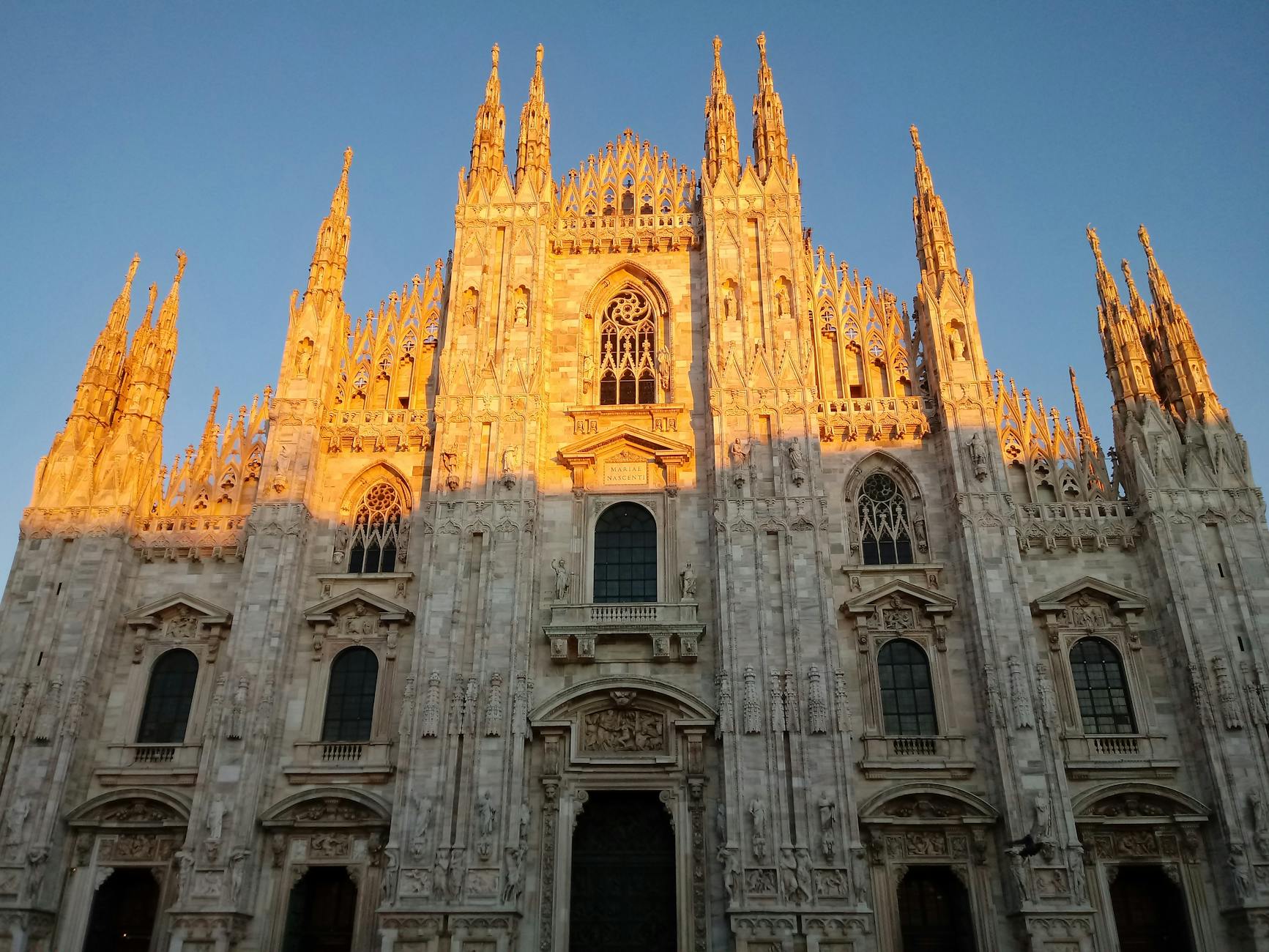
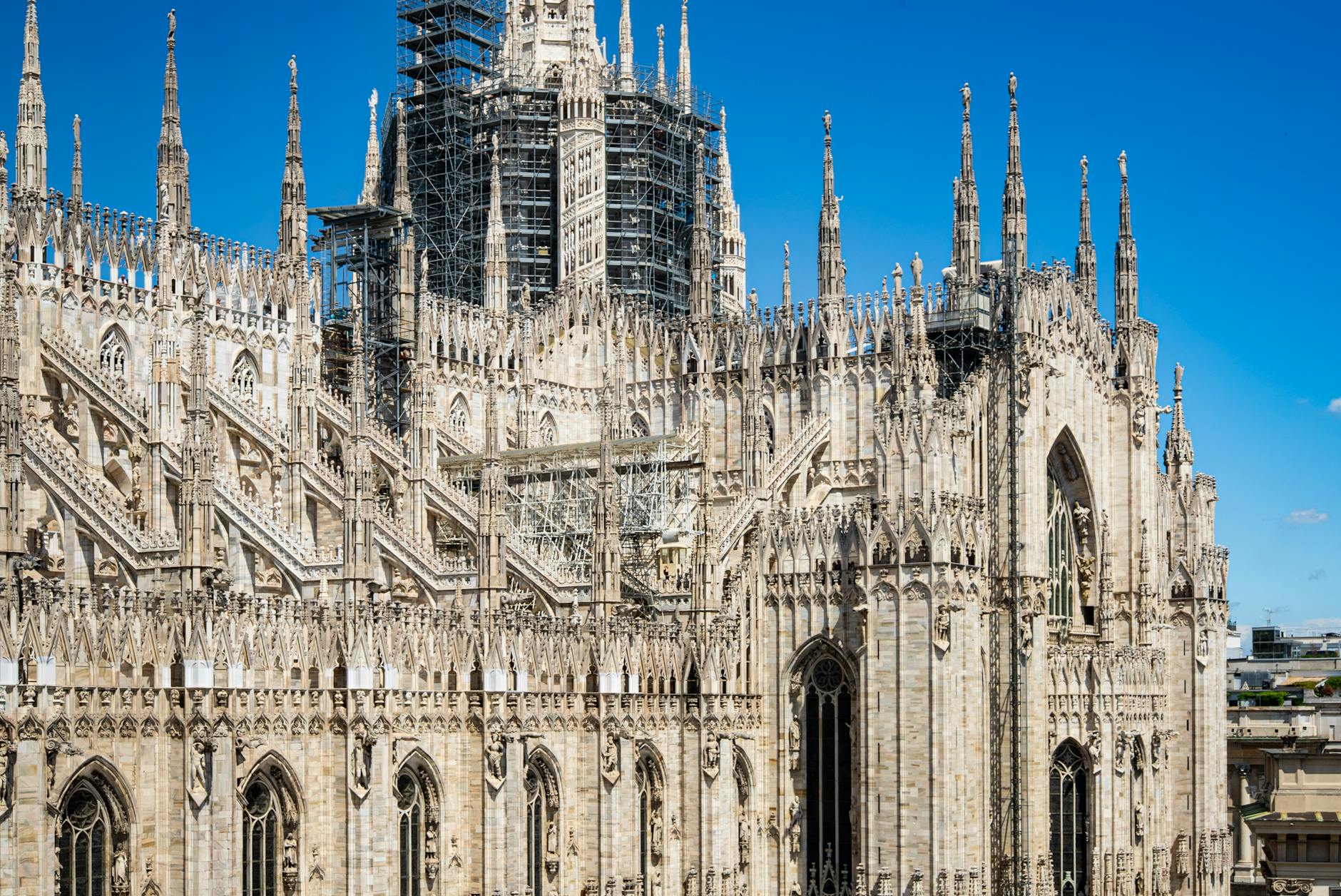
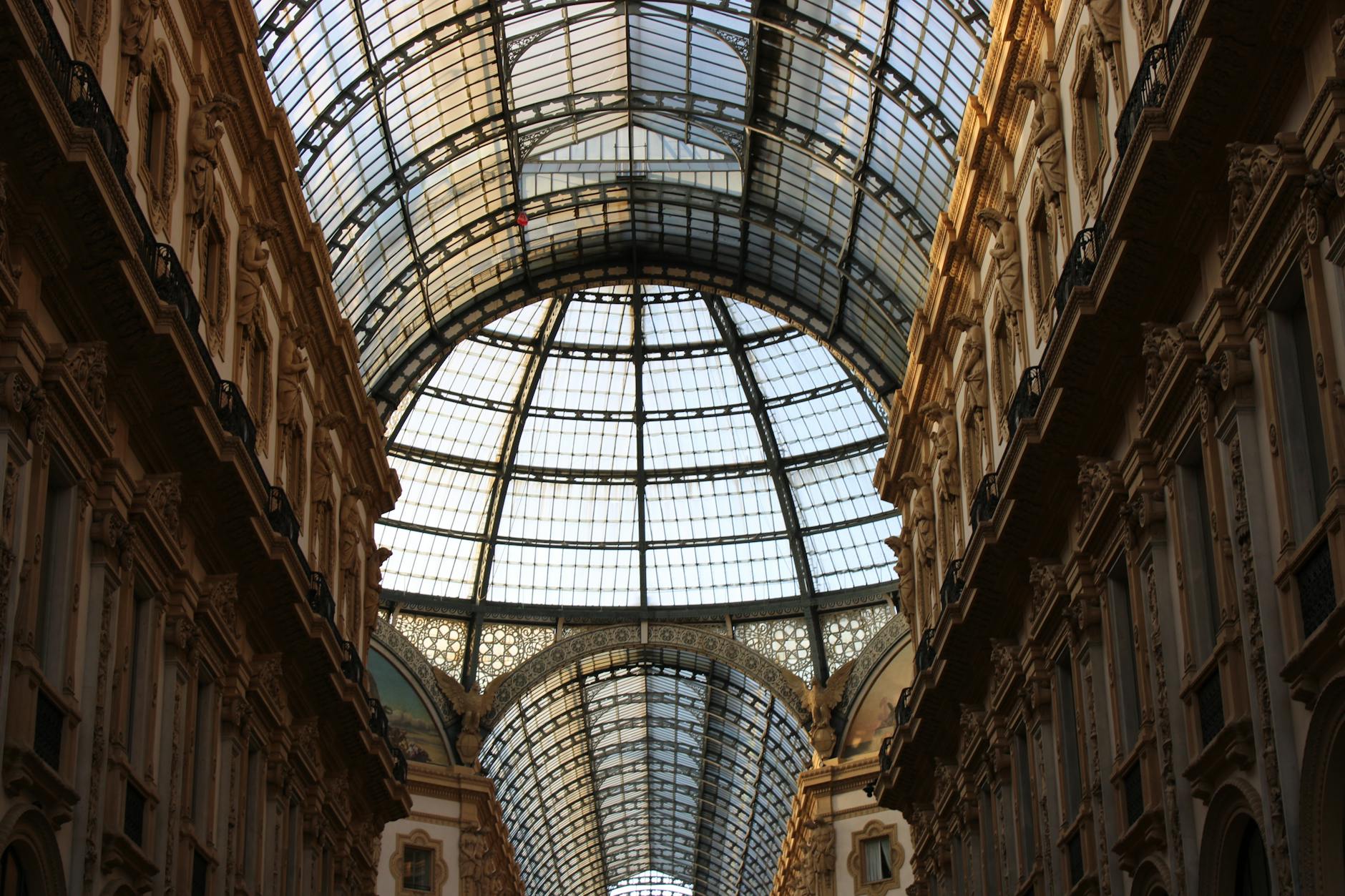
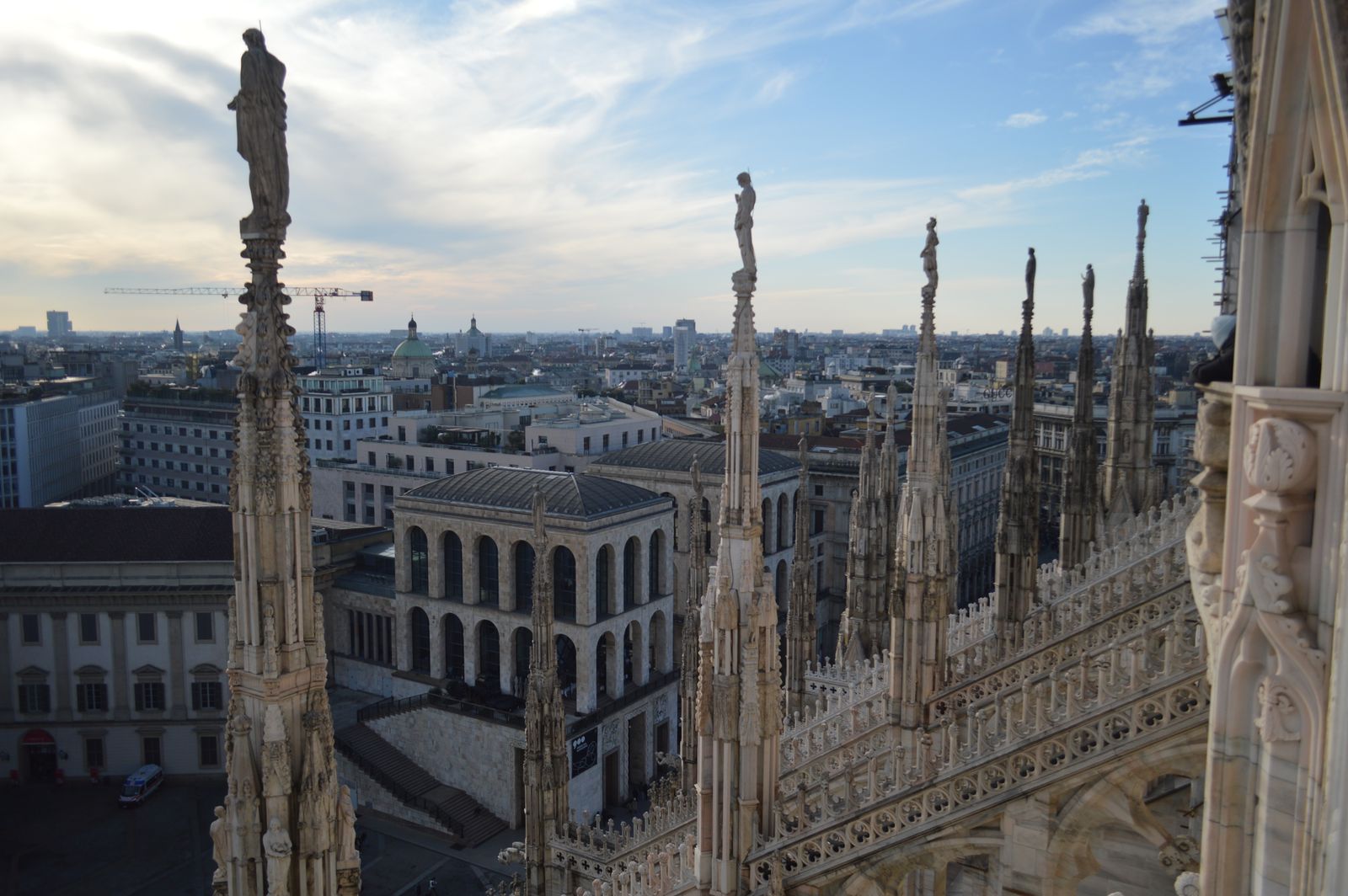
A single day in Milan should be spent almost entirely on foot in the historic core, which is small enough to walk. Start early at the Duomo, the colossal Gothic cathedral that anchors the city, and book the rooftop terraces, where you can walk among the spires and statues with the Alps on a clear horizon. Our Duomo guide explains the ticket options and how to skip the worst of the queues. From the cathedral steps, walk into the Galleria Vittorio Emanuele II, the soaring glass-roofed arcade of cafés and luxury boutiques; spin your heel on the mosaic bull for luck, as locals have for generations. Our Galleria guide tells that story.
The Galleria spills you out at Piazza della Scala and the world-famous opera house, La Scala, whose museum you can visit by day. From there it is a ten-minute stroll up through the elegant streets to the Castello Sforzesco, the vast brick fortress of Milan’s ruling dynasty, which now holds free-to-enter courtyards and a clutch of museums including a late Michelangelo sculpture. Behind it stretches Parco Sempione, the city’s green lung and the perfect spot to rest your feet. If you still have energy, end the day with an aperitivo, the Milanese early-evening ritual where a single drink buys you a spread of snacks. For a tighter hour-by-hour plan, see our dedicated Milan in one day itinerary.
2 days in Milan: the ideal first visit
Two days is the length I recommend to most first-timers, because it covers the icons without a forced march and leaves room for the city’s quieter pleasures.
Day one follows the essential loop above: the Duomo and its rooftop in the morning, the Galleria and La Scala, lunch, then the Sforza Castle and Sempione park in the afternoon. Spend the early evening in Brera, the bohemian quarter of cobbled lanes, galleries and candlelit trattorias just north of the centre, and have dinner there. Our Brera guide maps its best corners.
Day two belongs to Leonardo and the canals. Begin with The Last Supper at the church of Santa Maria delle Grazie, if you managed to book it; the fresco is breathtaking in person and viewings last just fifteen minutes, so timing your whole morning around the slot is normal. Afterwards, see more of the city’s art at the Pinacoteca di Brera or the Museo del Novecento for twentieth-century work, both covered in our museums guide. Spend the late afternoon and evening down at the Navigli, the atmospheric canal district lined with bars and restaurants, where the nightly aperitivo crowd gathers along the water; our Navigli guide has the details. This pacing gives you the complete first-timer’s Milan with time to breathe.
3 days in Milan: room to go deeper
A third day is where Milan stops being a checklist and starts being a place you get to know. With the icons behind you, you can follow your own interests. Spend a morning in the Quadrilatero d’Oro, the golden rectangle of flagship fashion stores, even just to window-shop the most concentrated luxury retail on earth; our shopping guide points the way. Devote an afternoon to a neighbourhood you have not yet seen, whether that is design-forward Porta Nuova with its vertical-forest towers, the village feel of Isola, or the leafy avenues of Porta Venezia. Our neighbourhoods guide helps you choose which suits your mood.
Day three is also the moment to indulge a specific passion. Design lovers should make for the Fondazione Prada or the Triennale design museum; history buffs, the archaeological sites and the Ambrosiana gallery. Food-focused travellers can spend the time eating their way through the city with our Milan food guide as a map, perhaps joining a food tour or grazing the food markets. With three days you finally have the slack to wander without an agenda, which is when Milan is at its best.
5 days in Milan: add a day trip and slow down
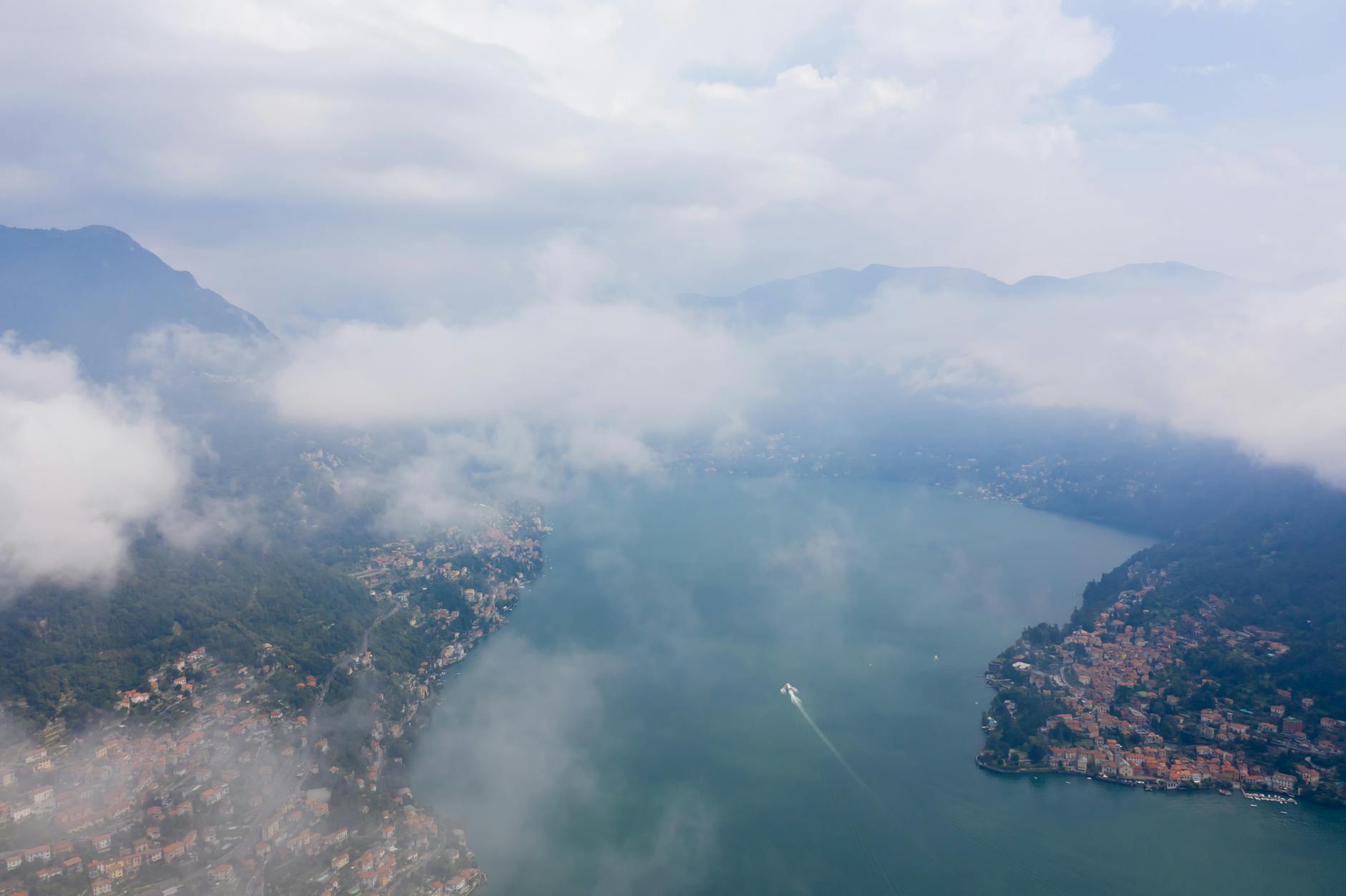
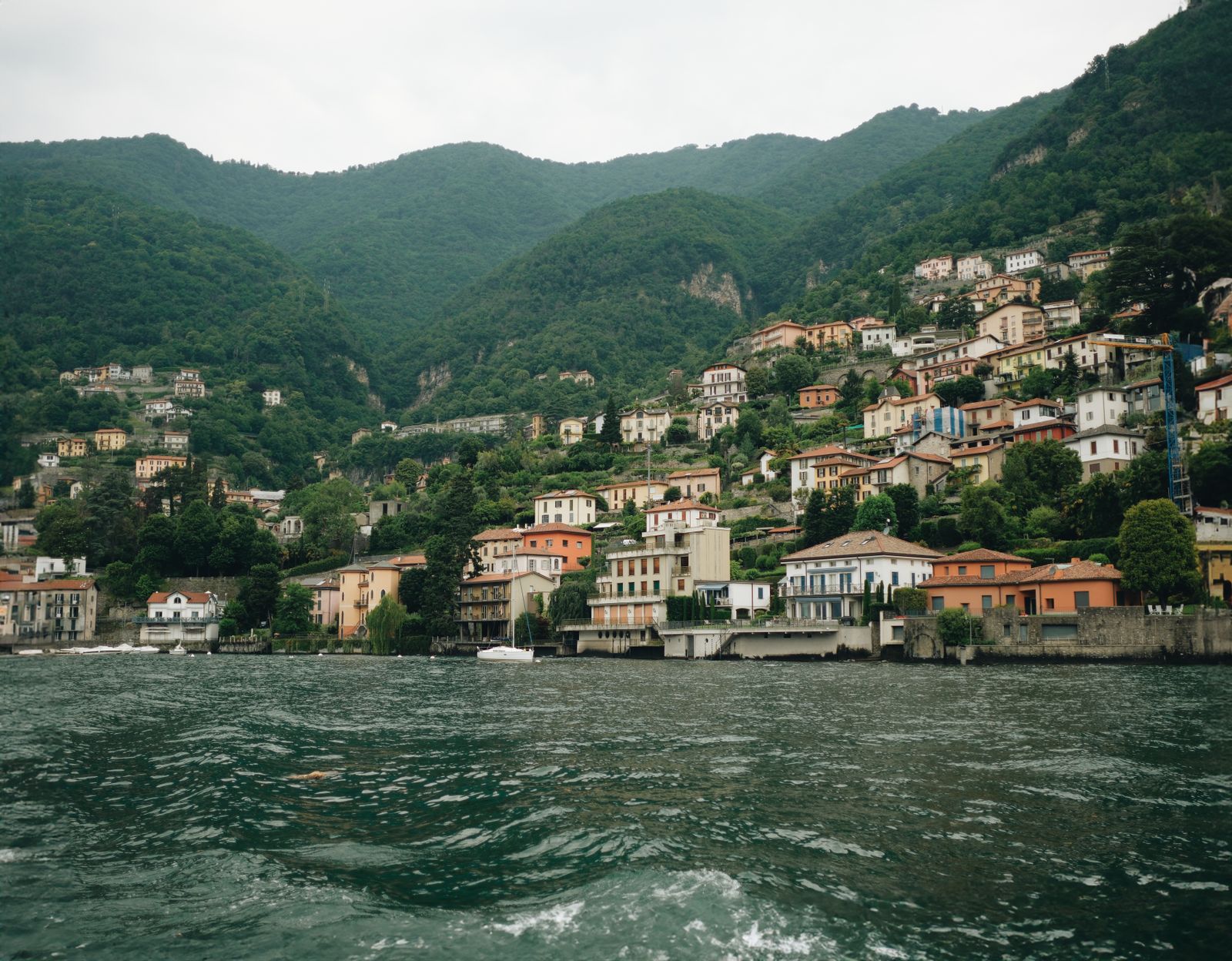
Five days is generous for the city alone, so this is where day trips earn their place. Milan sits at the centre of an extraordinary rail network, and some of Italy’s most beautiful destinations are within an hour. The classic excursion is Lake Como, reachable in around forty minutes to an hour by train, where pastel villages and grand villas ring the water beneath the mountains; our Lake Como day trip guide plans it for you. An equally rewarding and less crowded option is Bergamo, whose walled hilltop old town is one of the loveliest in Lombardy, covered in our Bergamo guide.
Use the remaining days to slow your pace in the city: a long museum morning, an unhurried lunch, an afternoon shopping or simply sitting in a Brera café watching Milan go by. Five days lets you live a little more like a resident and less like a tourist, mixing two or three more relaxed city days with one big excursion. Our full day trips guide lays out every option if Como and Bergamo are not your style.
One week in Milan and Northern Italy
With a week, Milan becomes your base camp for the whole of the north. After two or three days in the city itself, you can fan out on a series of day trips, each a completely different flavour of Italy. Beyond Como and Bergamo, the rail lines reach romantic Verona and its Roman arena, the elegant former royal capital of Turin, the smaller lakes of Maggiore and Garda, and the sparkling-wine country of Franciacorta. Each has its own guide on the site, all gathered in our day trips hub.
A sensible week might run: two days on Milan’s core sights, a third for its neighbourhoods and museums, then three or four day trips chosen to vary the rhythm, perhaps a lake, a historic town and a wine region. Because you return to the same bed each night, you travel light and avoid the hassle of changing hotels. It is one of the most efficient and rewarding ways to see Northern Italy, and it leans on Milan’s superb connections. To make the most of it, get familiar with the trains via our transport guide.
Itineraries by interest
Not every trip is a greatest-hits run. If you have a clear passion, let it shape your days.
Art and design lovers can fill three days with the Last Supper, the Brera and Ambrosiana galleries, the Museo del Novecento, the Fondazione Prada and the Triennale, plus the design showrooms scattered through the centre; our museums guide sequences them. Fashion and shopping devotees should orbit the Quadrilatero d’Oro, the Galleria and the vintage stores, with an outlet trip if time allows, all in our shopping guide. Food-focused travellers can build the whole trip around meals, markets and aperitivo using our food guide.
Couples will find the city quietly romantic, from rooftop dinners to canal-side strolls; our romantic things to do guide gathers the best. Families can lean on parks, the castle, the science museum and gelato breaks, planned in our things to do with kids guide. And travellers watching the budget can see most of the city affordably with our free things to do roundup and the wider Milan on a budget guide. The point of an interest-led plan is depth over breadth, and Milan has the depth to reward it.
Planning your Milan itinerary: practical tips
A few decisions will make or break your schedule. Book the Last Supper the moment you have dates, ideally six to eight weeks out, because the limited slots vanish; everything else can flex around it. Pre-book the Duomo rooftop too, to skip long queues, especially in summer. Think about when you are coming: spring and autumn are loveliest, but the April design fair and the February and September fashion weeks fill the city and inflate hotel prices, as our best time to visit guide explains.
Choose your base wisely, since a central, well-connected hotel turns the whole itinerary smoother; our where to stay guide breaks it down by area and budget. Get to grips with the metro and trams, which make crossing the city quick and cheap, via the transport guide; a travel pass often pays off over a few days. And do not over-schedule. Milan is a city to be tasted as much as toured, with time built in for a coffee, an aperitivo and an aimless wander. If you want to keep the evenings lively, our nightlife guide points to the best bars and clubs. Build the plan, then leave gaps in it.
Arriving in Milan: making the most of day one
Your itinerary really begins at the airport, and Milan has three. Malpensa is the largest and furthest out, linked to the centre by the half-hourly Malpensa Express train in around fifty minutes. Linate is the closest, now joined to the city by the M4 metro line that reaches the centre in a quarter of an hour, which is a genuine game-changer for a short trip. Bergamo, used by the low-cost carriers, sits about an hour away by coach. Our transport guide details fares and routes for each, and our hotels near Milano Centrale guide is worth a look if you are arriving by train and want to drop bags quickly.
However you arrive, try to put your first afternoon to use rather than writing it off. If you land by lunchtime, you can comfortably check in, walk to the Duomo and ride up to the rooftop in the softer late-day light, when the crowds thin and the marble glows. Save the indoor, must-book sights for full mornings and let arrival day be a gentle orientation: a first aperitivo, a wander through the Galleria, an early dinner to beat the jet lag. Easing in beats trying to tick boxes while you are still finding your feet, and it sets the tone for a less frantic trip. For a softer landing, our Milan travel tips cover the practical first-day basics, from tickets to tipping.
Itineraries by season
The same days in Milan feel different across the year, and a smart plan flexes with the weather. In spring and autumn, the city is at its best: mild, walkable and made for the outdoor café-and-piazza life, so weight your itinerary toward strolling the neighbourhoods, the castle grounds and long aperitivo evenings. In summer, Milan turns hot and humid and many locals decamp to the coast, so plan air-conditioned museums and churches for the worst of the midday heat, shift sightseeing to early morning and evening, and consider a cooling day trip to the lakes. Our best time to visit guide breaks down the climate month by month.
Winter rewards a different rhythm. December glitters with Christmas markets and the famous opera season opening at La Scala, while January brings the sales and the quietest, cheapest version of the city. The cold and the occasional grey, foggy day make this the season to lean on indoor culture, so build in extra museums and design spaces; our guide to things to do in Milan when it rains is a useful backup for any season. Whenever you come, checking the calendar for the fashion weeks and the April design fair is wise, since they transform both the atmosphere and the hotel prices.
Combining Milan with the rest of Italy
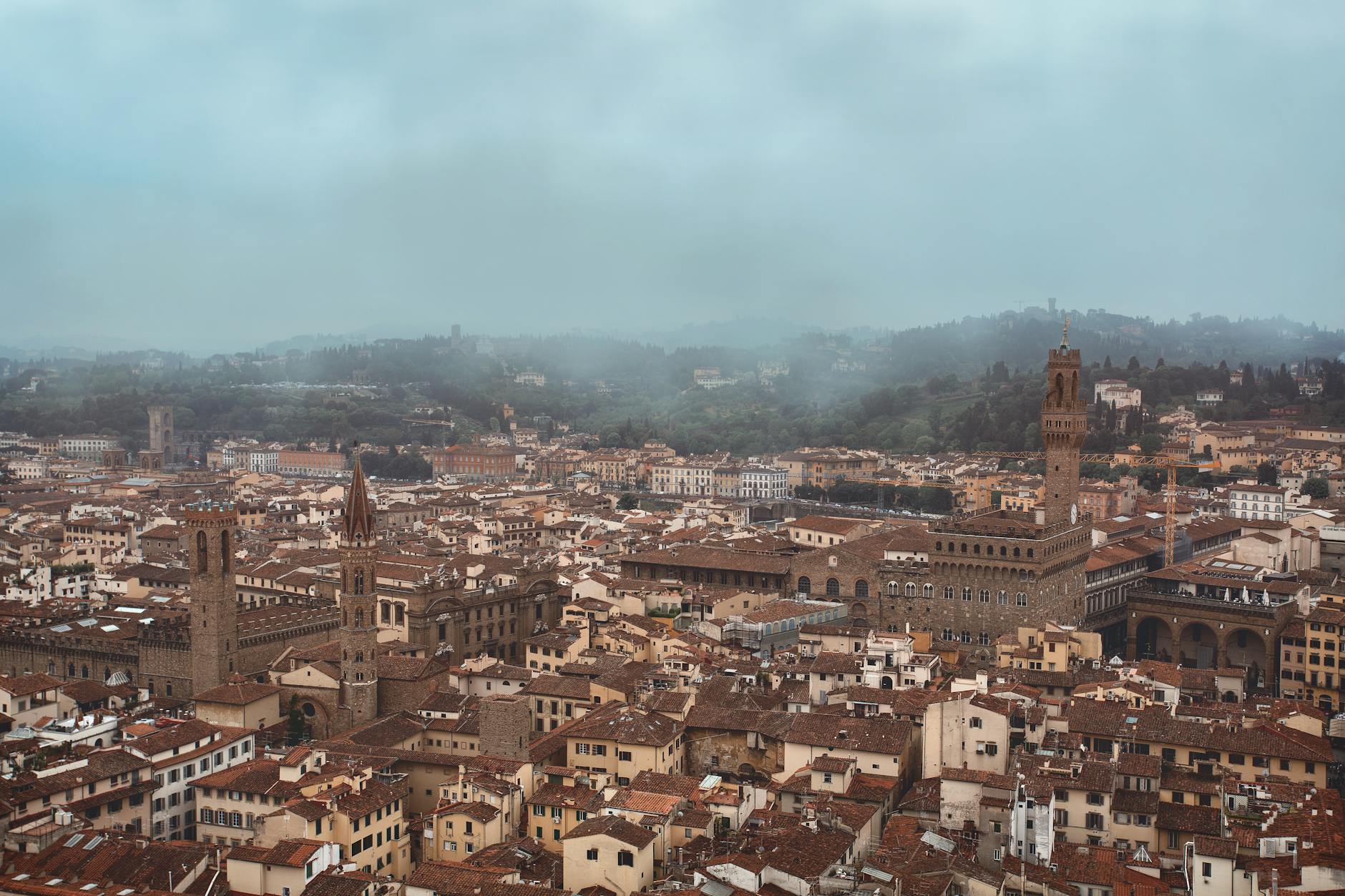
Many travellers fold Milan into a longer Italian trip, and the city is built for it. As the country’s main northern rail hub, Milan puts the high-speed network at your feet: Venice is around two and a half hours by fast train, Florence under two, and Rome about three. That makes Milan a natural first or last stop on a grand tour, with no need to fly between cities. A classic two-week Italy route runs Milan to Venice to Florence to Rome, each an easy train hop from the last.
If your heart is set on the scenery rather than the cities, Milan is equally the gateway to the Italian Lakes and the Alps. You could spend two or three days in Milan, then continue to a lakeside base on Como, Maggiore or Garda for a slower week, all reachable without a car. Decide early whether Milan is your hub, with day trips radiating out and one hotel throughout, or a staging post on a moving itinerary, because that choice shapes everything from how you pack to where you sleep. Our day trips guide covers the radiating-hub approach in full.
Common Milan itinerary mistakes to avoid
A few predictable missteps trip up first-time planners. The biggest is leaving the Last Supper too late and finding every slot gone; book it before you book much else. The second is over-packing each day, treating Milan like a checklist and missing the café culture that is half its charm; three or four anchored sights a day, with space between them, beats a forced march. A third is underrating the day trips, spending five days entirely in the city when a single train ride to Como or Bergamo would have been the highlight of the week.
Other easy wins: do not cluster every museum on one exhausting day, and do not assume everything stays open, since many museums close on Mondays and some shops shut for part of August. Give yourself an unscheduled evening to simply follow the aperitivo crowd and see where the night goes, guided if you like by our nightlife guide. And match your base to your plan; staying central and well-connected, as our where to stay guide advises, saves more time across a trip than any single shortcut. Plan firmly, then hold the plan loosely, and Milan will give you more than the itinerary promised. For the full menu of options to slot in, keep our attractions guide open as you build.
Frequently asked questions
Is one day enough for Milan?
One day is enough to see the headline sights, the Duomo and its rooftop, the Galleria, La Scala and the Sforza Castle, all walkable in the compact centre. It is not enough to add Leonardo’s Last Supper, the museums or a relaxed meal. If you possibly can, give Milan two days; it changes the trip from a sprint into a proper visit.
How many days do you need in Milan?
Two full days suit most first-time visitors, covering the icons plus the Last Supper, Brera and a Navigli evening at a comfortable pace. Three to five days let you add museums, shopping, more neighbourhoods and a lake or city day trip. A week turns Milan into a base for exploring all of Northern Italy by train.
What is the best 2-day Milan itinerary?
Spend day one on the central loop: the Duomo and rooftop, the Galleria, La Scala and the Sforza Castle, with an evening in Brera. Spend day two on Leonardo’s Last Supper in the morning, a museum or two, and an aperitivo and dinner down at the Navigli canals. This covers Milan’s essentials without rushing.
Do I need to book the Last Supper in advance?
Yes, and well in advance, typically six to eight weeks ahead. Only small groups are admitted for fifteen-minute viewings at Santa Maria delle Grazie, so tickets sell out fast and walk-ups rarely succeed. Book it first, then build the rest of your itinerary around your allotted time slot, as it is the one fixed point in any Milan plan.
Can you do day trips from Milan?
Easily; it is one of the best reasons to base yourself here. Lake Como is around an hour by train, Bergamo’s walled old town a similar distance, and Verona, Turin, the other lakes and the Franciacorta wine country are all comfortable day trips. Milan’s central rail hub makes returning to the same hotel each night simple, so you can explore widely while unpacking once.
Final thoughts
The best Milan itinerary is the one matched to your days and your interests rather than a fixed list. Give the city two days at minimum to see it properly, book the Last Supper before anything else, and resist the urge to cram every hour, because Milan reveals itself in the unscheduled moments as much as the famous ones. Add a lake or a hill town if you have the time, follow your own passion if you have a clear one, and let the city’s superb trains carry you further when you want more. Start building from our things to do in Milan guide, and sort the logistics with our where to stay and transport guides.