Choosing where to stay in Milan can make or break your trip. Stay in the wrong neighborhood and you’ll spend half your holiday on the metro; pick the right one and you’ll step out of your hotel straight into aperitivo hour, world-class museums, or cobblestone lanes dripping with atmosphere.
Milan is a surprisingly compact city — the historic center is walkable, and an excellent metro, tram, and bus network connects every corner. But each neighborhood has a distinct personality, price range, and vibe. This guide breaks down every major area where to stay in Milan so you can match your accommodation to your travel style, budget, and priorities.
Whether you’re a first-timer wanting to be steps from the Duomo, a foodie craving canal-side aperitivo in the Navigli, or a design lover drawn to the futuristic towers of Porta Nuova, you’ll find your perfect base below.
Quick Guide: Best Neighborhoods at a Glance
Here’s a snapshot to help you decide where to stay in Milan before we dive into the detail:
- Duomo / Centro Storico — Best for first-time visitors and sightseeing
- Brera — Best overall pick: art, charm, dining, and central location
- Navigli — Best for nightlife, canals, and bohemian vibes
- Porta Nuova / Garibaldi — Best for modern architecture and business travel
- Porta Venezia — Best for diversity, value, and families
- Isola — Best for hipster culture, street art, and food
- Porta Romana — Best for a quiet, local Milanese experience
- Città Studi — Best for budget travelers
- Stazione Centrale — Best for transit convenience
1. Duomo / Centro Storico — Best for First-Time Visitors
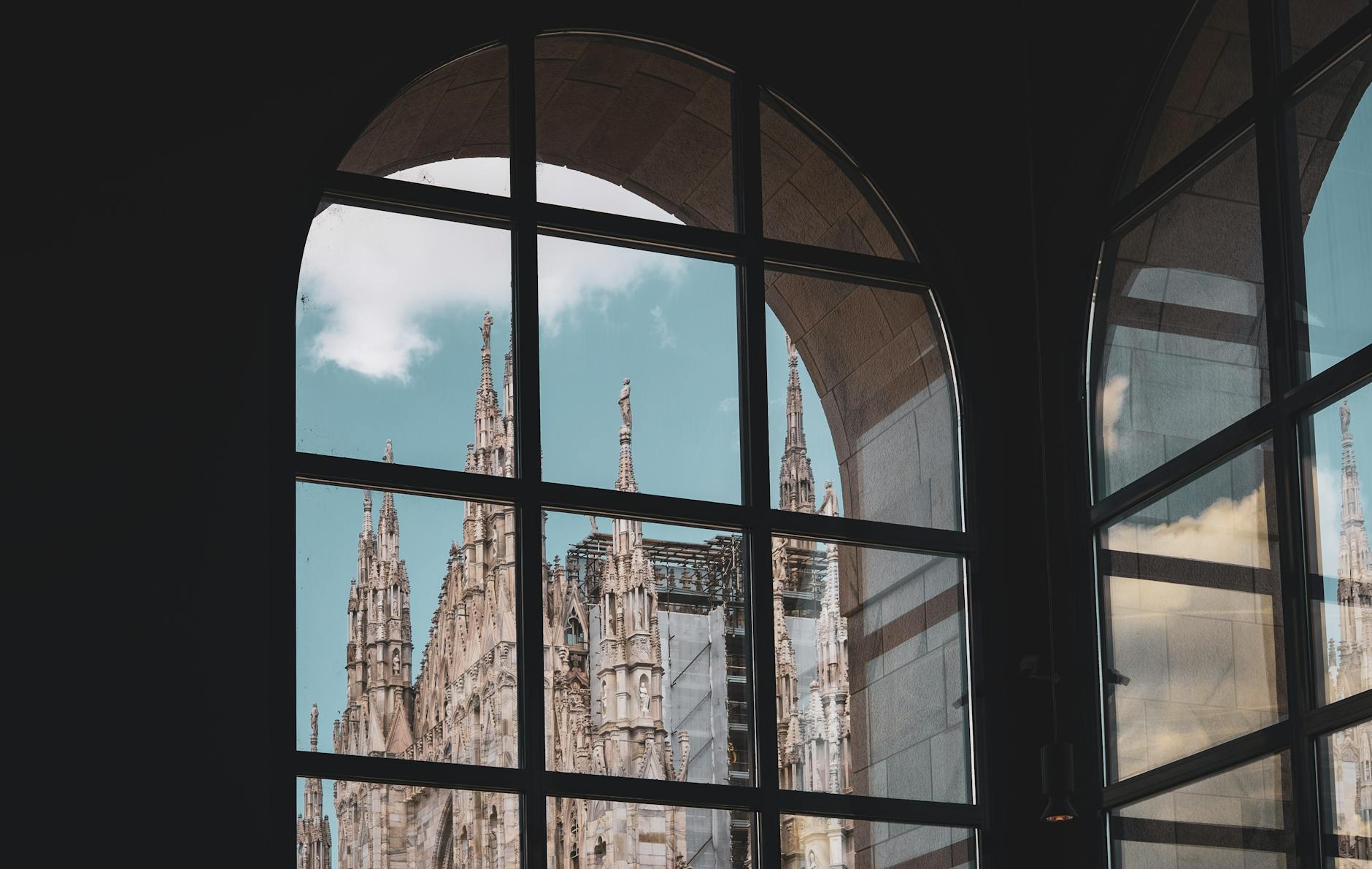
If this is your first time deciding where to stay in Milan and you want to be in the thick of the action, the Centro Storico (historic center) around the Duomo is the obvious choice. Milan’s magnificent Gothic cathedral, the glittering Galleria Vittorio Emanuele II, La Scala opera house, and the Palazzo Reale are all within a five-minute walk of each other.
Why Stay Here
Everything is at your doorstep. You can roll out of bed and be gazing up at the Duomo’s spires before your first espresso. The area is extremely well-connected by metro (Duomo station serves both M1 and M3 lines), and most of Milan’s top attractions are within a 15-minute walk. It’s also the safest and most policed part of the city.
The Trade-offs
This is Milan’s most expensive area for accommodation. Expect to pay 30–50% more than neighborhoods just a metro stop or two away. The streets around the Duomo can feel touristy — chain restaurants outnumber local trattorias, and you’ll encounter street hawkers and buskers. It’s also noisy late into the night.
What You’ll Pay
Budget options are scarce here. A well-located 3-star hotel typically runs €140–200/night, while 4-star properties average €200–350/night. The area’s flagship five-star hotels — Park Hyatt Milano, Hotel Principe di Savoia, and TownHouse Duomo — start around €400/night and climb sharply during Fashion Week and the Salone del Mobile.
Best For
First-time visitors, short stays (1–2 nights), luxury seekers. For detailed Duomo hotel picks, see our guide to the best hotels near Milan Duomo.
2. Brera — Best Overall Neighborhood
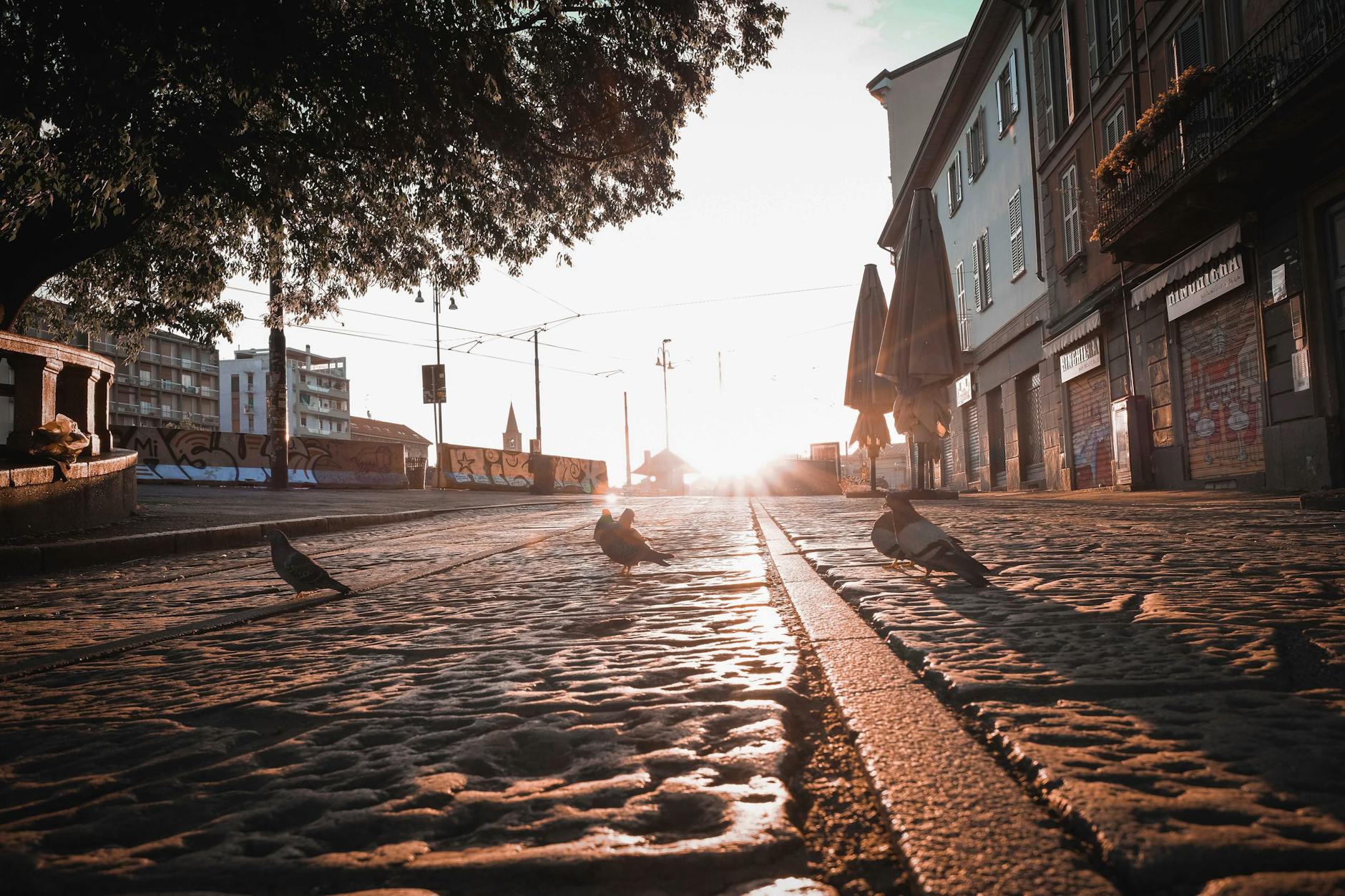
If we had to recommend a single neighborhood for where to stay in Milan, it would be Brera. This elegant, artistic quarter sits just north of the Duomo and delivers the perfect balance of central location, authentic Milanese atmosphere, excellent dining, and beautiful streets — without the tourist-trap feel of the Centro Storico.
Why Stay Here
Brera is Milan’s cultural heart. The Pinacoteca di Brera art gallery anchors a neighborhood of independent galleries, antique bookshops, design studios, and some of the city’s best restaurants. The cobblestone streets are lined with outdoor cafés where locals linger over macchiatos and newspapers. It’s also just a 10-minute walk to the Duomo and a 5-minute walk to Via Montenapoleone (the fashion district).
The Trade-offs
Prices aren’t cheap — Brera is one of Milan’s most desirable residential areas, so hotel rates reflect that. There’s no metro station directly in Brera (the nearest are Lanza on M2 and Montenapoleone on M1/M3), though tram lines run through and it’s walkable to everything central.
What You’ll Pay
Mid-range boutique hotels run €150–250/night. High-end properties average €280–450/night. Budget travelers can find the occasional B&B or apartment rental for €90–130/night if they book early. For curated picks, check our best boutique hotels in Milan guide.
Best For
Couples, art lovers, foodies, anyone who wants a central base with authentic neighborhood character. If this is your first time visiting Milan, Brera is the smartest all-round choice.
3. Navigli — Best for Nightlife and Bohemian Vibes
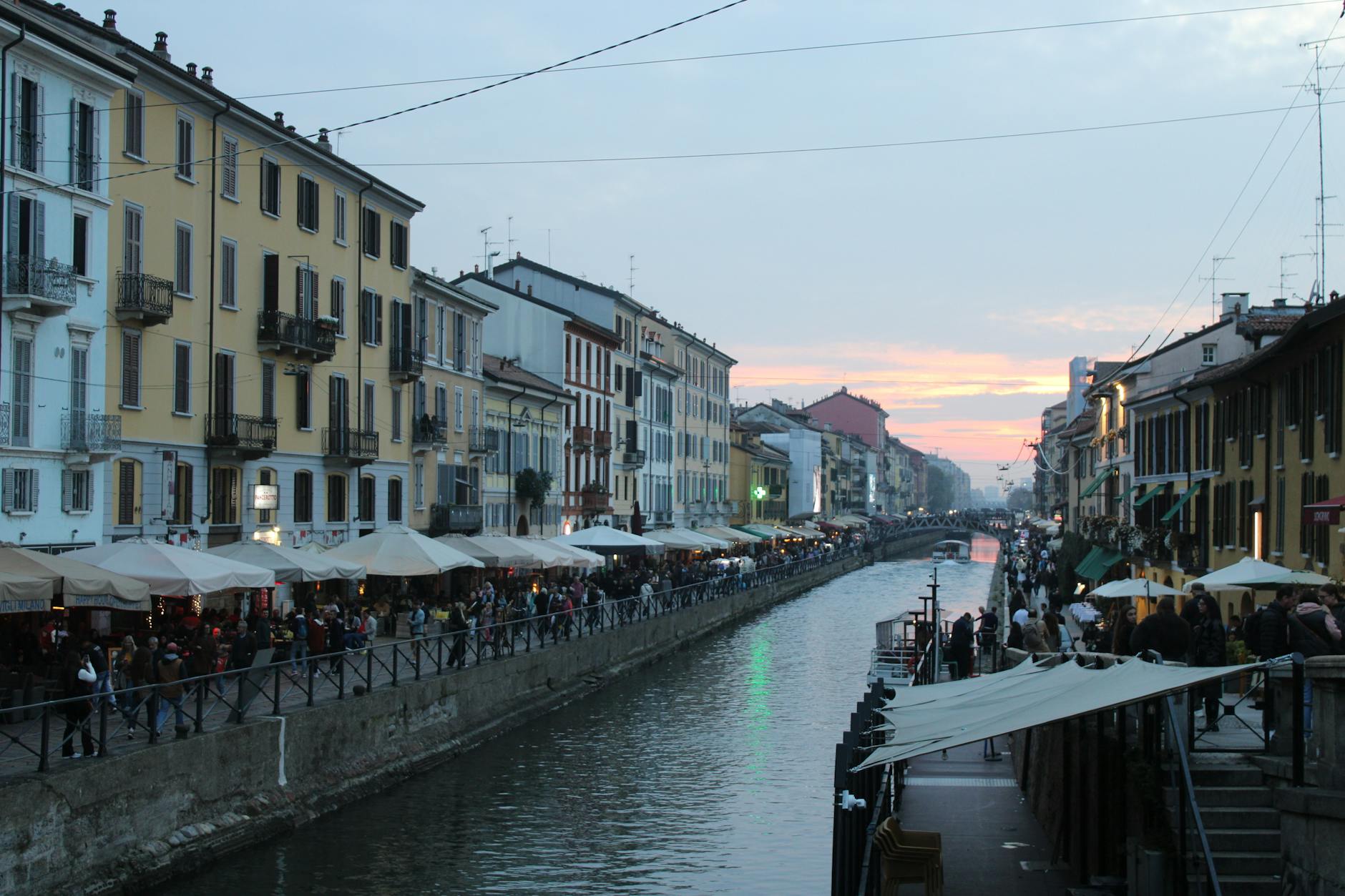
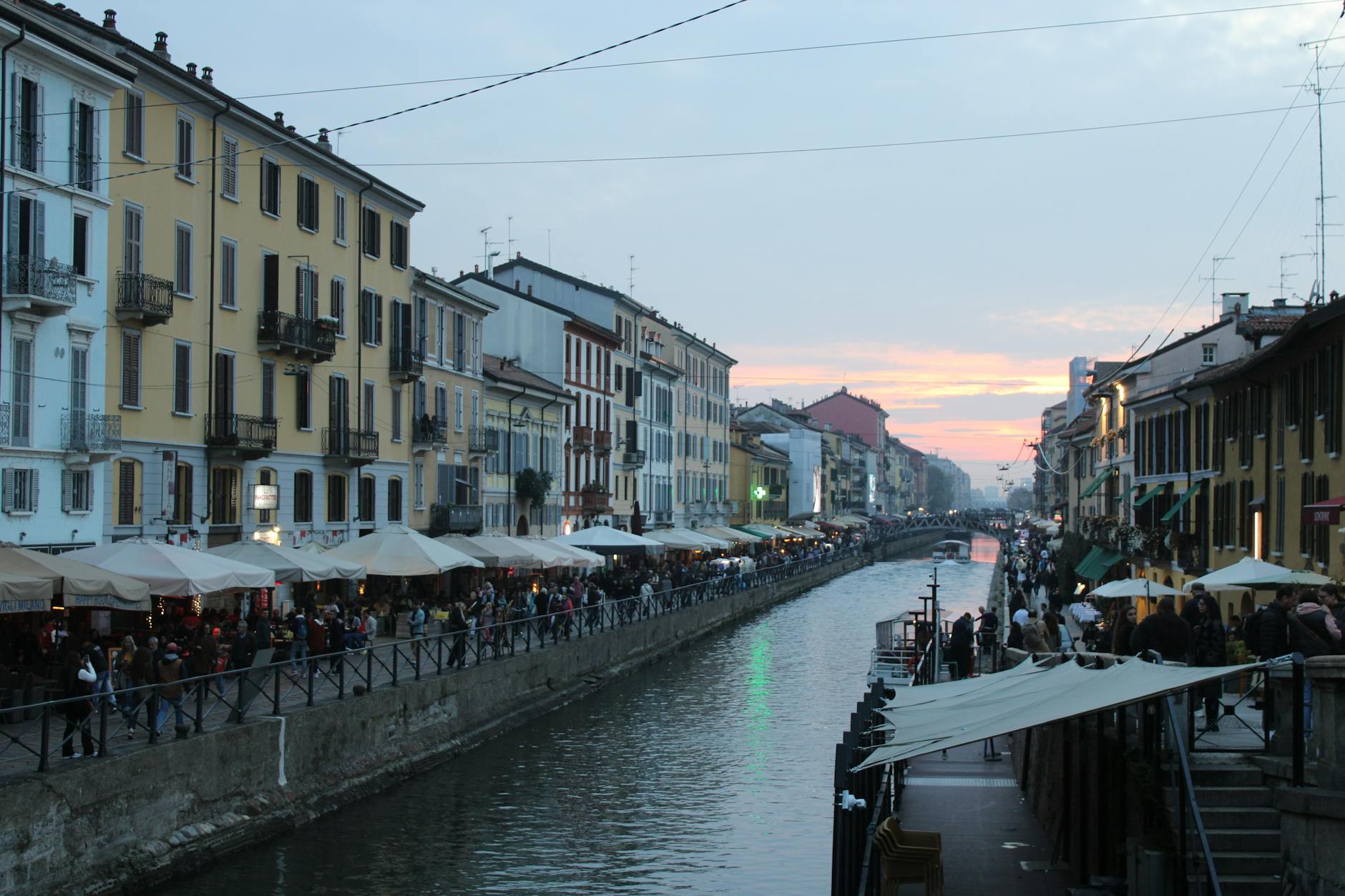
Canal-crossed and full of character, the Navigli district is one of the most popular options for where to stay in Milan — romantic by day and rowdy by night. The Naviglio Grande and Naviglio Pavese canals are lined with trattorias, vintage shops, craft cocktail bars, and art galleries, creating an atmosphere that feels more Amsterdam than corporate Milan.
Why Stay Here
If your Milan trip revolves around food, nightlife, and local culture, Navigli is your place. This is ground zero for aperitivo — the Milanese tradition of ordering a drink and grazing on a generous free buffet spread (roughly 6:30–9:00 PM). The last-Sunday-of-the-month antiques market along the Naviglio Grande is one of the city’s best shopping experiences. And the neighborhood has a creative, artistic energy — small galleries, independent bookshops, tattoo studios, and artisan workshops give it genuine grit.
The Trade-offs
Navigli is southwest of the center, about a 25-minute walk or 10-minute metro ride from the Duomo (take M2 to Porta Genova). It’s not ideal if you want to be steps from the major sights. Friday and Saturday nights can get very loud — light sleepers should request rooms away from the canal. For the complete after-dark experience, see our guide to things to do in Milan at night.
What You’ll Pay
Navigli offers better value than the center. Charming B&Bs and guesthouses start around €80–120/night. Mid-range boutique hotels run €130–200/night. Apartments and Airbnbs are popular here and can be excellent value at €70–150/night. For nightlife-focused stays, see our guide on where to stay in Milan for nightlife.
Best For
Nightlife lovers, couples, solo travelers, foodies, anyone who values atmosphere over proximity to tourist sights.
4. Porta Nuova / Garibaldi — Best for Modern Architecture and Business
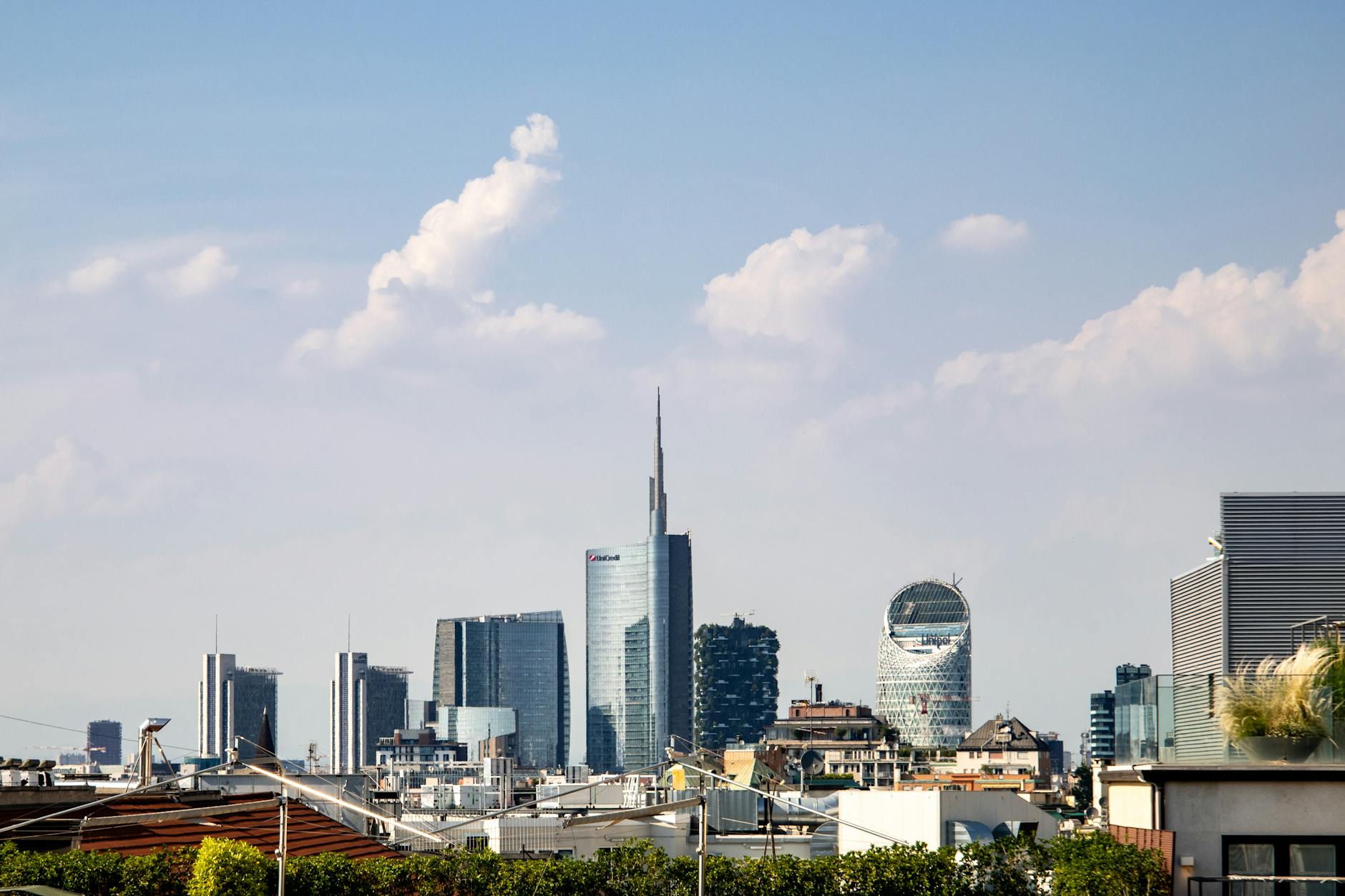
For a modern take on where to stay in Milan, Porta Nuova offers a dramatically different experience. This neighborhood underwent a complete transformation ahead of Expo 2015, replacing aging industrial infrastructure with soaring glass towers, landscaped plazas, and the now-iconic Bosco Verticale (Vertical Forest) residential towers.
Why Stay Here
The area around Piazza Gae Aulenti is sleek, clean, and efficient — exactly what you’d expect from Milan’s premier business district. It’s well-served by Garibaldi FS station (metro lines M2 and M5, plus regional trains), has excellent restaurants and rooftop bars, and the BAM (Biblioteca degli Alberi Milano) botanical garden provides a lovely green oasis. It’s also just a 10-minute walk to Brera and Corso Como.
The Trade-offs
The neighborhood can feel corporate and slightly sterile compared to the old-world charm of Brera or Navigli. Weekday evenings buzz with after-work crowds, but weekends can feel quiet. Hotels here cater primarily to business travelers, so rates can actually drop on weekends.
What You’ll Pay
International chain hotels (Hilton, Marriott, NH) dominate, typically €150–280/night. Weekend rates can dip 20–30%. There are fewer budget options here, though serviced apartments offer good value for longer stays.
Best For
Business travelers, architecture enthusiasts, those who value modern amenities over historic charm.
5. Porta Venezia — Best for Diversity, Value, and Families
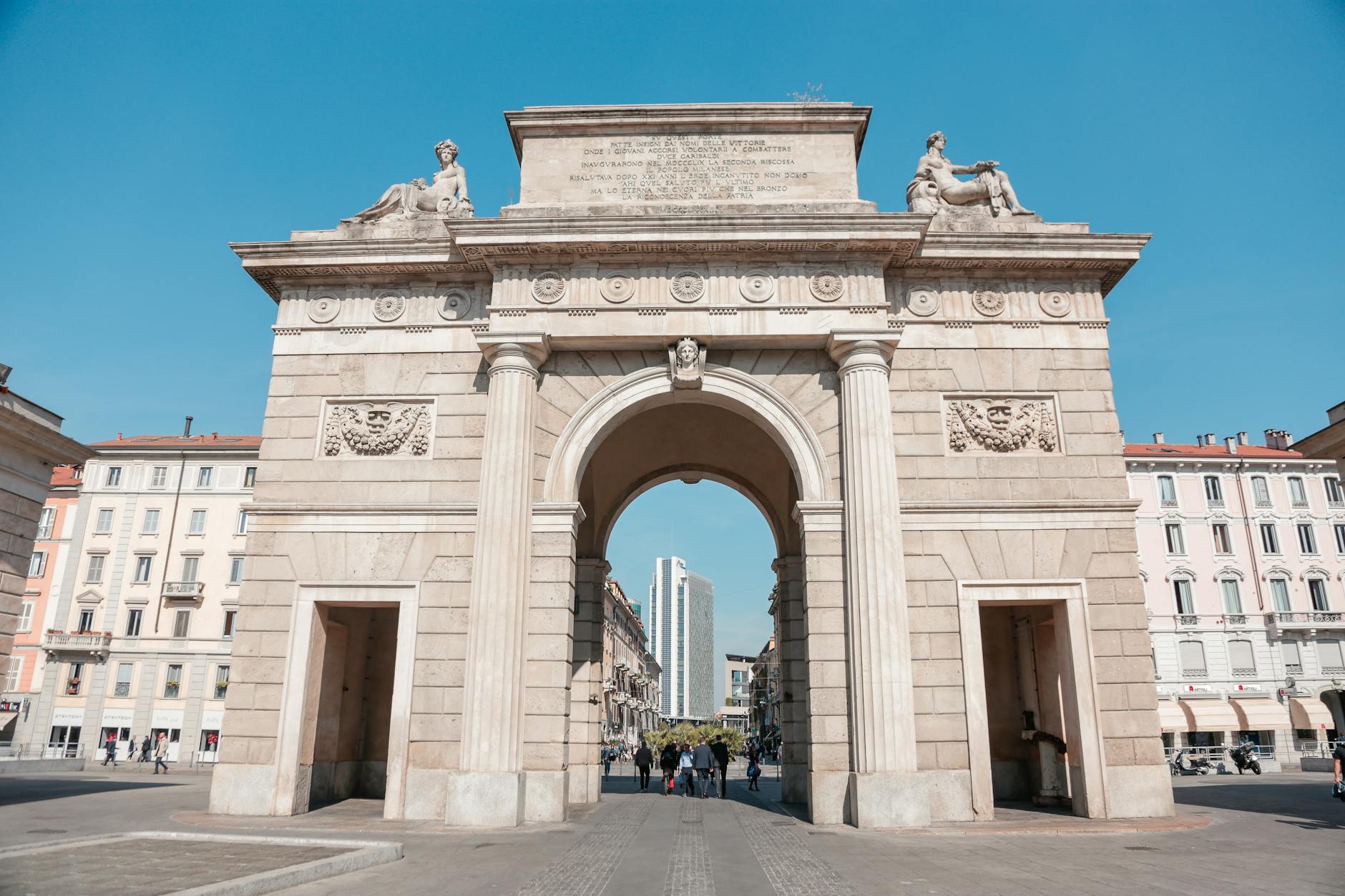
Porta Venezia is one of the best-value options for where to stay in Milan — cosmopolitan and welcoming. It’s where you’ll find Milan’s thriving LGBTQ+ scene, a rich mix of Eritrean, Ethiopian, and Middle Eastern restaurants alongside traditional Italian trattorias, stunning art nouveau architecture, and the Giardini Pubblici Indro Montanelli — Milan’s oldest and most family-friendly public park.
Why Stay Here
The location is excellent — you’re on metro line M1 (Porta Venezia station), just two stops from the Duomo. Corso Buenos Aires, one of Europe’s longest shopping streets with 350+ stores, runs through the neighborhood. And prices are noticeably lower than Brera or the Centro Storico while being almost as central. The Natural History Museum and Planetarium are right in the park — perfect for families visiting Milan with kids.
The Trade-offs
The neighborhood doesn’t have the same postcard beauty as Brera or the canal charm of Navigli. Some streets can feel busy and urban rather than quaint. The area around Corso Buenos Aires is heavily commercial during the day.
What You’ll Pay
This is one of the best value-for-location neighborhoods in Milan. Clean, comfortable 3-star hotels start at €90–140/night. Boutique and 4-star options run €140–220/night. Apartments and B&Bs offer excellent deals at €60–110/night. Check our family-friendly hotels in Milan guide for picks with kids in mind.
Best For
Families, budget-conscious travelers, shoppers, anyone who wants a diverse, non-touristy neighborhood with great transport links.
6. Isola — Best for Hipster Culture and Street Art
Once a gritty working-class enclave separated from the city center by railroad tracks, Isola (“the Island”) has undergone one of Milan’s most dramatic transformations. Today it’s the city’s hippest neighborhood — think street art murals covering entire building facades, third-wave coffee shops, natural wine bars, and a dining scene that spans Peruvian fusion to Michelin-starred tasting menus.
Why Stay Here
Isola delivers the kind of neighborhood authenticity that Brera had 15 years ago, at better prices. It’s connected by M5 (Isola station) and is a short walk across the railroad overpass to Porta Nuova and Piazza Gae Aulenti. The restaurant scene here is arguably the most exciting in Milan right now. Weekend mornings at the neighborhood’s small farmers’ market feel genuinely local.
The Trade-offs
Isola is north of the center — the Duomo is about a 20-minute metro ride or 30-minute walk. Hotel options are limited compared to central neighborhoods; you’ll find more apartments and B&Bs than traditional hotels. Some streets are still rough around the edges.
What You’ll Pay
Apartments and B&Bs from €55–100/night. The few boutique hotels in the area run €110–180/night. This is one of Milan’s best neighborhoods for Airbnb and apartment rentals.
Best For
Young travelers, creatives, foodies, anyone who wants to experience Milan’s cutting-edge culture scene away from the tourist trail.
7. Porta Romana — Best for a Quiet, Local Experience
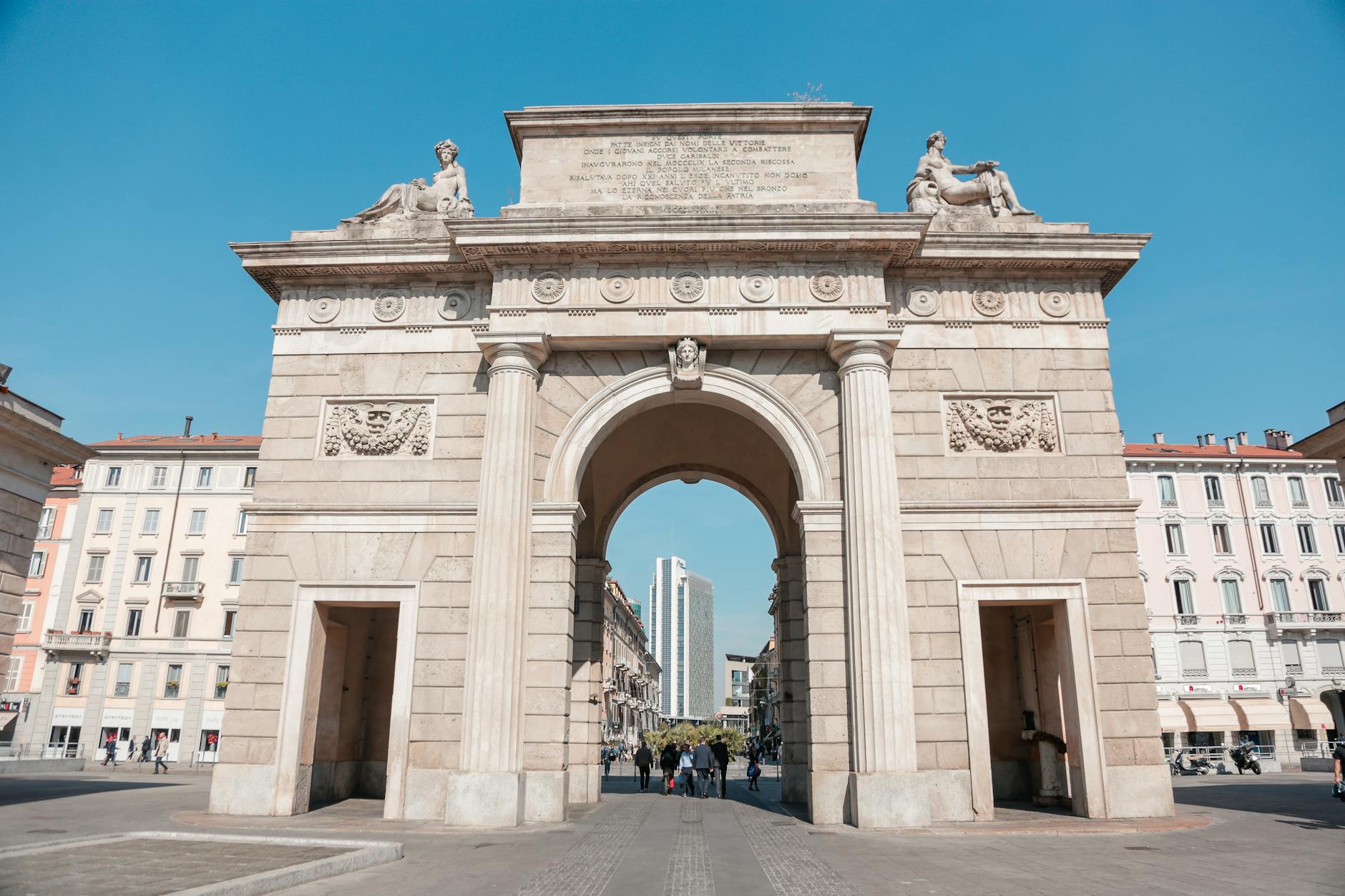
For travelers who prefer quiet over buzz, Porta Romana is a charming residential option for where to stay in Milan that offers something rare in Milan: genuine local atmosphere at moderate prices, with excellent transport links. The largely pedestrianized streets are lined with neighborhood bakeries, family-run restaurants, and independent boutiques.
Why Stay Here
You’ll feel like a local rather than a tourist. The neighborhood has a strong community feel, excellent farmers’ markets, and some of Milan’s most authentic (and affordable) restaurants. It’s on metro line M3 (Porta Romana station), putting you at the Duomo in under 10 minutes. It’s also the gateway to the Fondazione Prada complex, one of Milan’s most exciting contemporary art spaces.
The Trade-offs
There’s less to “see” here in the traditional tourist sense — no major landmarks or attractions within the neighborhood itself. Nightlife is low-key compared to Navigli or Brera.
What You’ll Pay
Good value across the board. 3-star hotels from €80–130/night. Apartments and B&Bs from €55–95/night. The area attracts fewer tourists, so prices don’t spike as sharply during peak season.
Best For
Families, couples seeking quiet, repeat visitors who want to live like a Milanese, budget travelers who still want decent transport access.
8. Città Studi — Best for Budget Travelers
Budget-conscious visitors wondering where to stay in Milan should consider the university district — home to the Politecnico di Milano and the Università degli Studi — is the go-to neighborhood for travelers watching their euros. The student population keeps prices low for everything from accommodation to eating out, and there’s a youthful energy that permeates the streets.
Why Stay Here
This is the most affordable area in Milan that still offers good metro access (M2, Piola or Lambrate stations). You’ll find hostels, student-friendly B&Bs, and budget hotels that simply don’t exist in central neighborhoods. The dining scene revolves around affordable pizzerias, kebab shops, and casual trattorias. It’s also close to the Lambrate district, home to Milan’s emerging design and art gallery scene.
The Trade-offs
It’s 20–25 minutes from the Duomo by metro. The neighborhood is functional rather than beautiful — don’t expect charming cobblestones or scenic canals. It can feel empty during university holidays.
What You’ll Pay
The best budget deals in Milan. Hostel dorm beds from €25–40/night. Private rooms in hostels or B&Bs from €45–75/night. Basic hotels from €60–100/night. See our full budget hotels and hostels in Milan guide.
Best For
Budget travelers, backpackers, students, long-stay visitors.
9. Stazione Centrale — Best for Transit Convenience
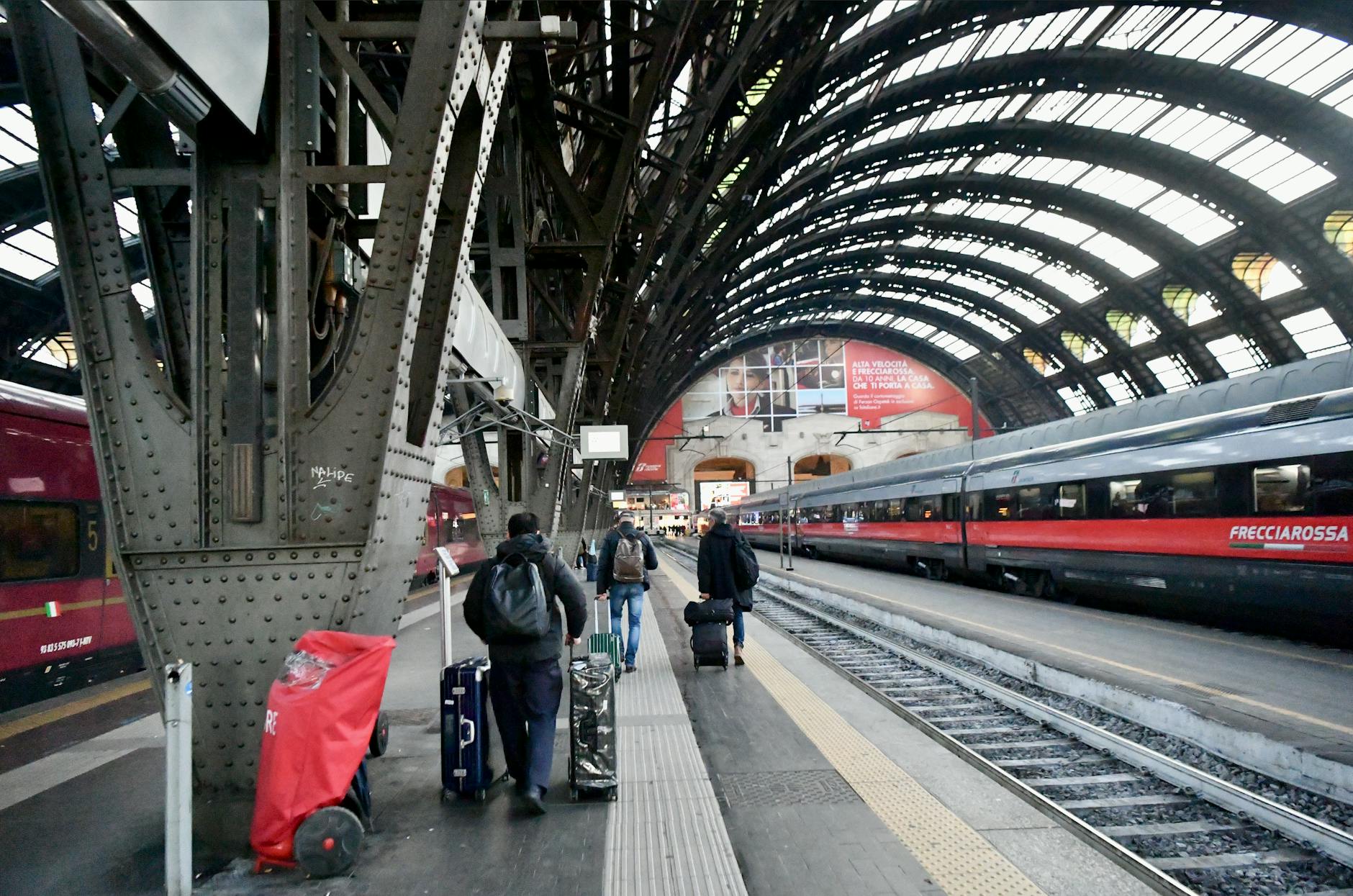
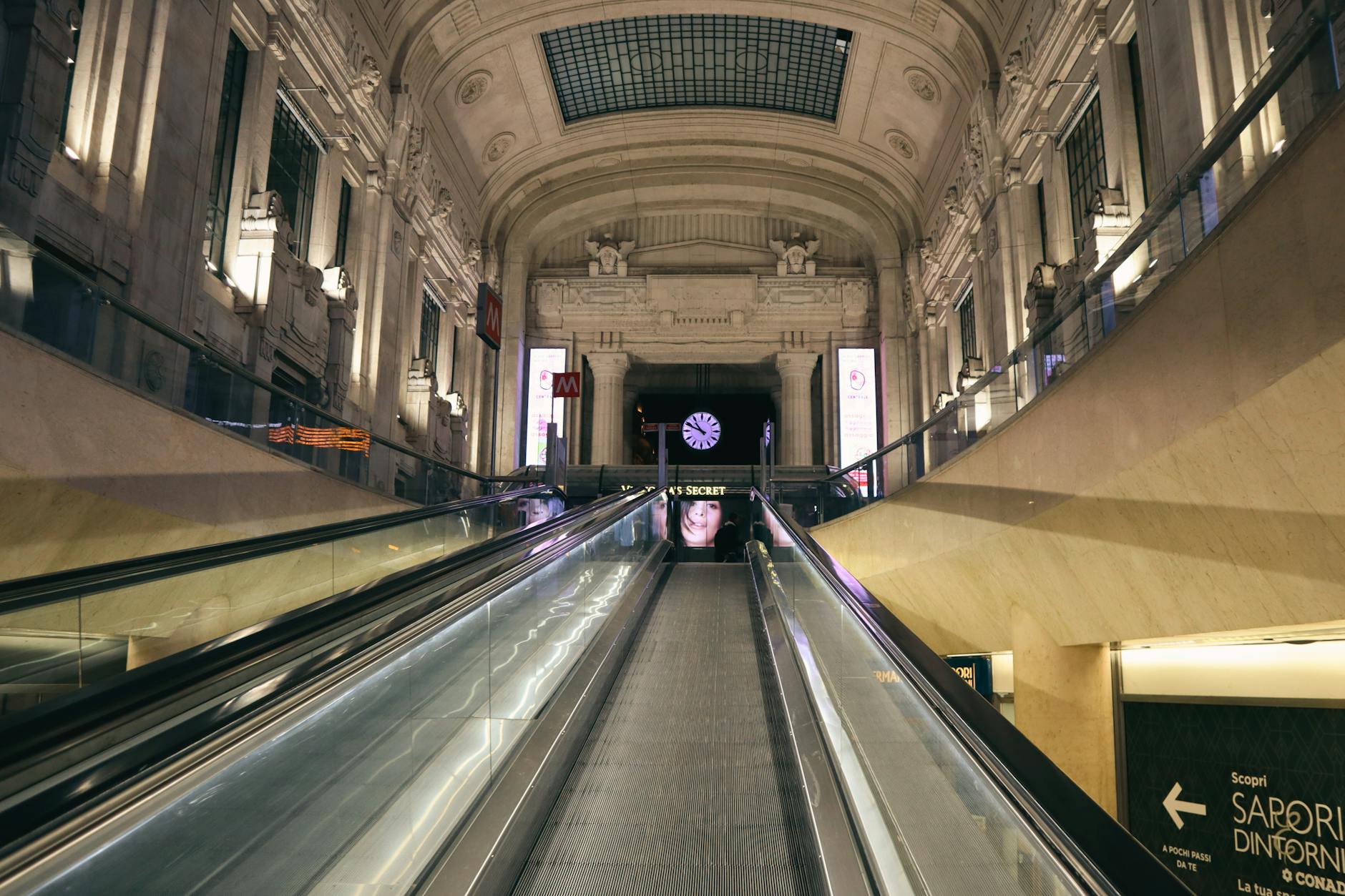
For transit-focused visitors, the area around Milan’s monumental central train station — a Fascist-era architectural behemoth — is the arrival point for most visitors coming by rail from other Italian cities or the Malpensa Airport Express. The area around it divides opinion sharply among travelers.
Why Stay Here
If you’re arriving late or departing early by train, or if Milan is a transit stop on a larger Italy itinerary, the convenience is hard to beat. The station connects to metro lines M2 and M3, plus regional and high-speed trains to Lake Como (40 min), Venice (2.5 hrs), Florence (2 hrs), and Rome (3 hrs). Hotels here are plentiful and competitive on price. The Mercato Centrale food hall inside the station is excellent. For detailed options, see our guide to hotels near Milano Centrale.
The Trade-offs
Let’s be direct: the streets immediately surrounding Stazione Centrale are the grittiest in central Milan. Expect to see homeless people, and the area can feel unsafe late at night, particularly east of the station around Via Sammartini. It’s not dangerous for tourists who exercise basic street awareness, but it’s not charming either. The neighborhood improves significantly just a few blocks south toward Corso Buenos Aires and the Repubblica area.
What You’ll Pay
Some of Milan’s best hotel bargains. 3-star hotels from €70–120/night. International chains (Best Western, Holiday Inn, Ibis) from €90–150/night. Look for properties south or west of the station for a better neighborhood feel.
Best For
Transit travelers, late arrivals/early departures, budget-seekers who don’t mind a utilitarian neighborhood.
Types of Accommodation in Milan
Luxury Hotels (€300+/night)
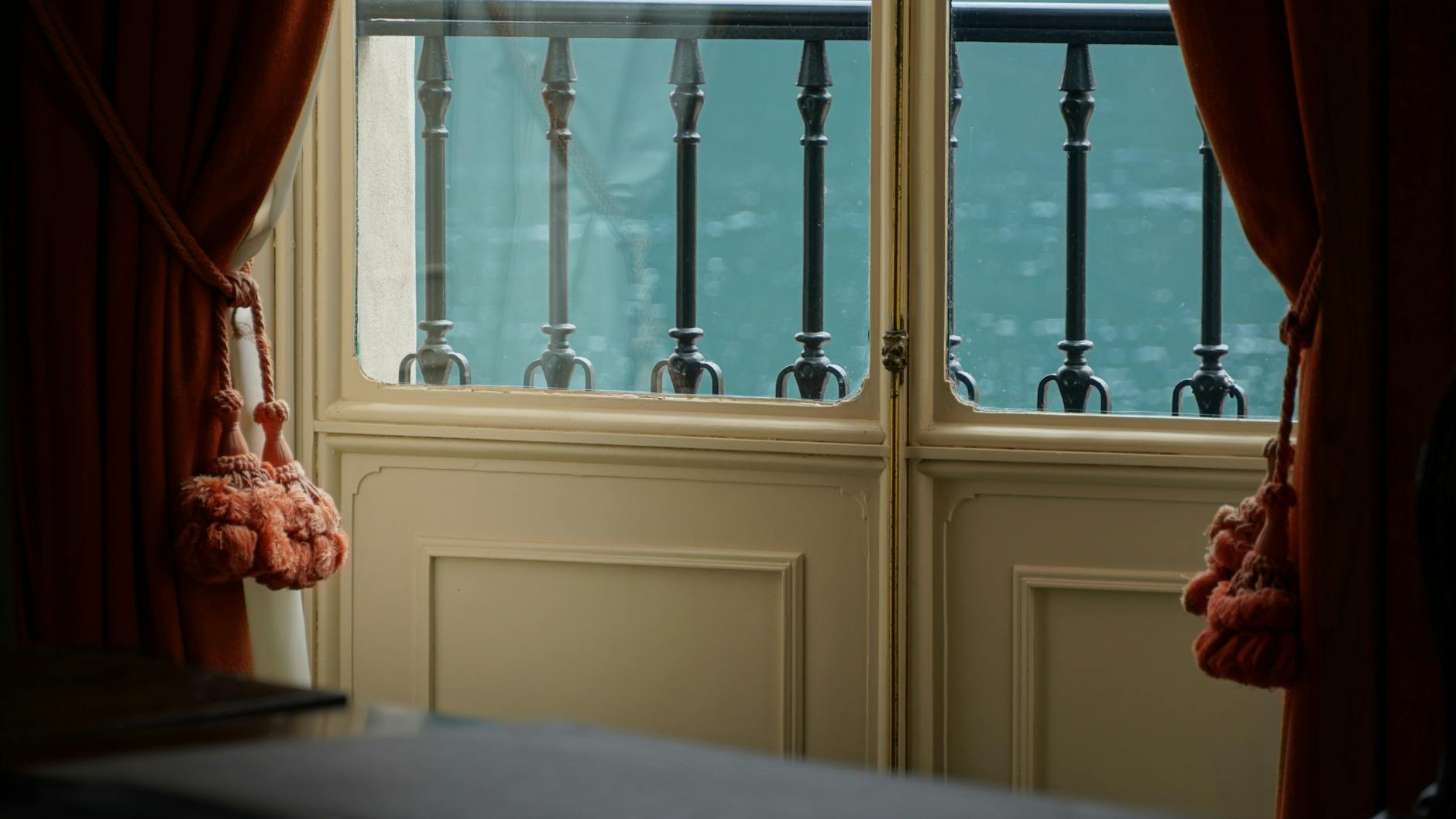
At the top end of where to stay in Milan, the luxury hotel scene rivals Paris and London. Standout properties include the Park Hyatt Milano (Duomo), Bulgari Hotel (Brera), Four Seasons Hotel Milano (fashion district), and the Mandarin Oriental (Via Andegari). During Milan Fashion Week (February and September) and the Salone del Mobile (April), rates at top hotels can double or triple — book months ahead. For our curated picks, see the luxury hotels in Milan guide.
Boutique Hotels (€120–300/night)
This is where Milan really shines. Italian design sensibility meets hospitality in properties like Room Mate Giulia (Duomo), Maison Milano (Brera), Camperio House (near Castello Sforzesco), and the Yard Milano (Porta Nuova). These hotels offer personality, local character, and Instagram-worthy interiors at a fraction of the five-star price. Browse our full boutique hotels in Milan selection.
Mid-Range Hotels (€90–150/night)
International and Italian mid-range chains have strong representation: NH Hotels, Meliá, Starhotels, and UNA Hotels all have well-located Milan properties. Look for deals on booking platforms, especially for weekend stays when business-oriented hotels drop their rates.
Budget Hotels and Hostels (€25–90/night)
Budget accommodation in Milan is trickier than in other Italian cities — it’s an expensive city. Your best bets are hostels like Ostello Bello (multiple locations, dorms from €30), Babila Hostel (central, from €35), and budget hotels in Città Studi or the Centrale area. See our complete budget hotels and hostels in Milan guide.
Apartments and Airbnbs (€50–200+/night)
Apartment rentals are hugely popular in Milan, especially in Navigli, Isola, and Porta Romana, where they often offer better value and more space than hotels. They’re ideal for families, longer stays, and anyone who wants a kitchen to save on dining out. Note that Milan charges a city tax (€1–5/night depending on property type) on top of the listed price. Our best Airbnbs and apartments in Milan guide has curated picks by neighborhood.
Practical Tips for Booking Accommodation in Milan
When Prices Spike
Where to stay in Milan also depends on timing — hotel prices are heavily influenced by the city’s event calendar. The most expensive periods are:
- Milan Fashion Week (late February and late September) — prices increase 50–200%
- Salone del Mobile / Milan Design Week (mid-April) — the single most expensive week of the year
- Major trade fairs at Fiera Milano — check the Fiera Milano calendar before booking
- Christmas and New Year (late December)
The cheapest periods are January (post-holiday), August (when locals flee to the coast and the city empties out), and November. Weekend rates are often 20–30% lower than weekday rates in business-oriented neighborhoods.
City Tax
Milan levies a tourist tax (tassa di soggiorno) per person per night, payable at checkout in cash. Rates vary by accommodation type: €1–2 for hostels and 1–2 star hotels, €3 for 3-star hotels, €4 for 4-star properties, and €5 for 5-star hotels and luxury apartments. Children under 18 are exempt.
Getting Around from Any Neighborhood
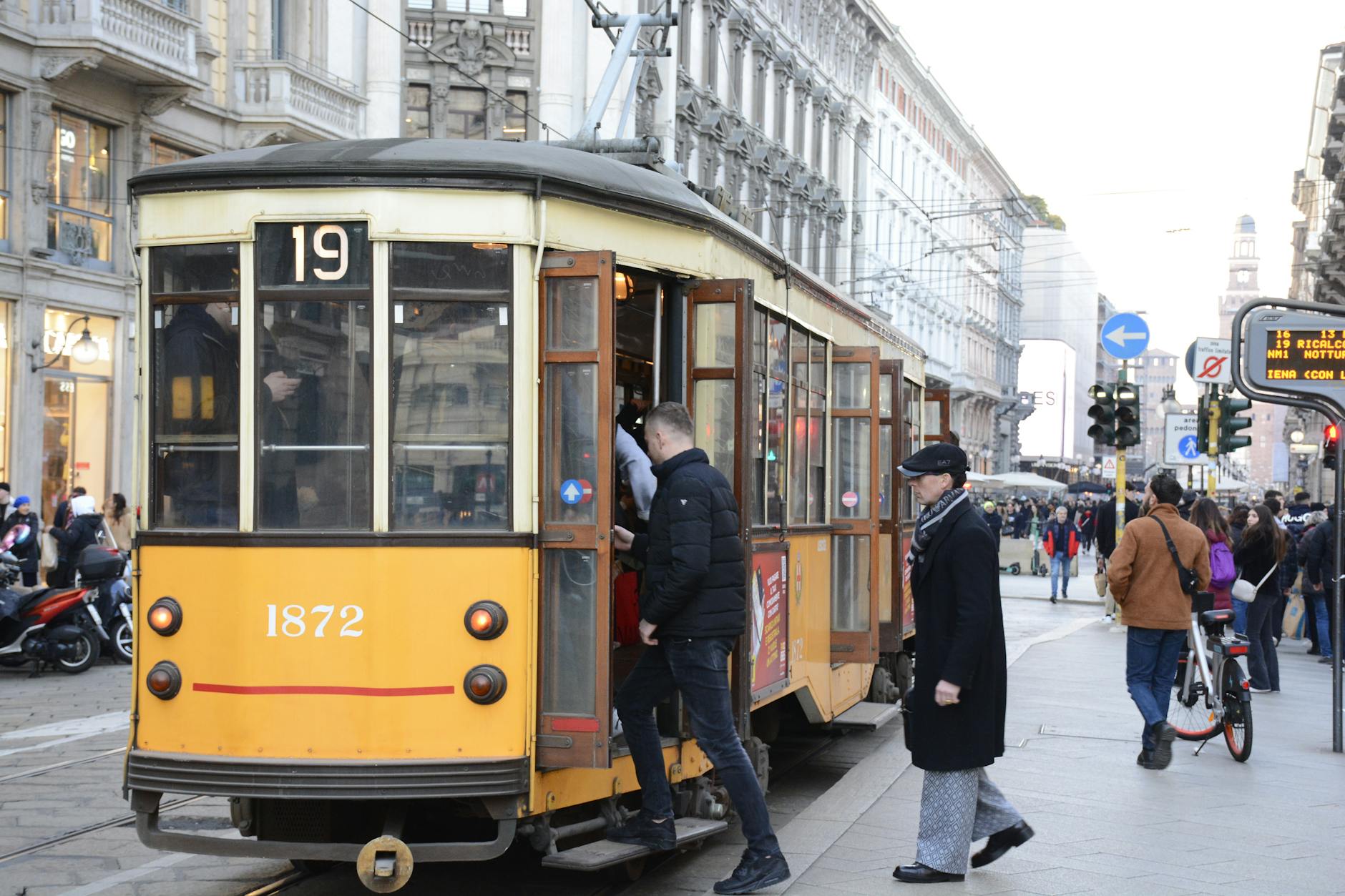
Milan’s ATM public transport network is excellent. The metro has 5 lines (M1 red, M2 green, M3 yellow, M4 blue, M5 purple), complemented by an extensive tram and bus network. A single ticket costs €2.20 (valid 90 minutes), a 24-hour pass is €7.00, and a 3-day pass is €12.00. No matter where you stay, you’re rarely more than 20 minutes from the Duomo. For full transport details, see our Milan public transport guide.
Areas to Approach with Caution
Milan is generally very safe. The main areas where visitors should exercise extra awareness — especially late at night — are the streets directly around Stazione Centrale (particularly Via Sammartini and Piazzale Duca D’Aosta), the eastern stretch of Via Padova, and the far peripheral neighborhoods of Quarto Oggiaro, San Siro south of Via Harar, and Corvetto. None of these are areas where tourists would typically book accommodation, with the exception of Stazione Centrale (see our tips above).
Booking Strategy
For the best rates, book 2–3 months ahead for standard periods and 4–6 months ahead for fashion weeks and the Salone. Comparison sites like Booking.com, Hotels.com, and Agoda often have better rates than hotel websites for mid-range properties. For apartments, compare Airbnb, Vrbo, and Plum Guide. Always check if breakfast is included — at €15–25/person at most Milan hotels, it adds up quickly. A coffee and cornetto at a local bar costs just €2–3.
Neighborhood Comparison: The Bottom Line
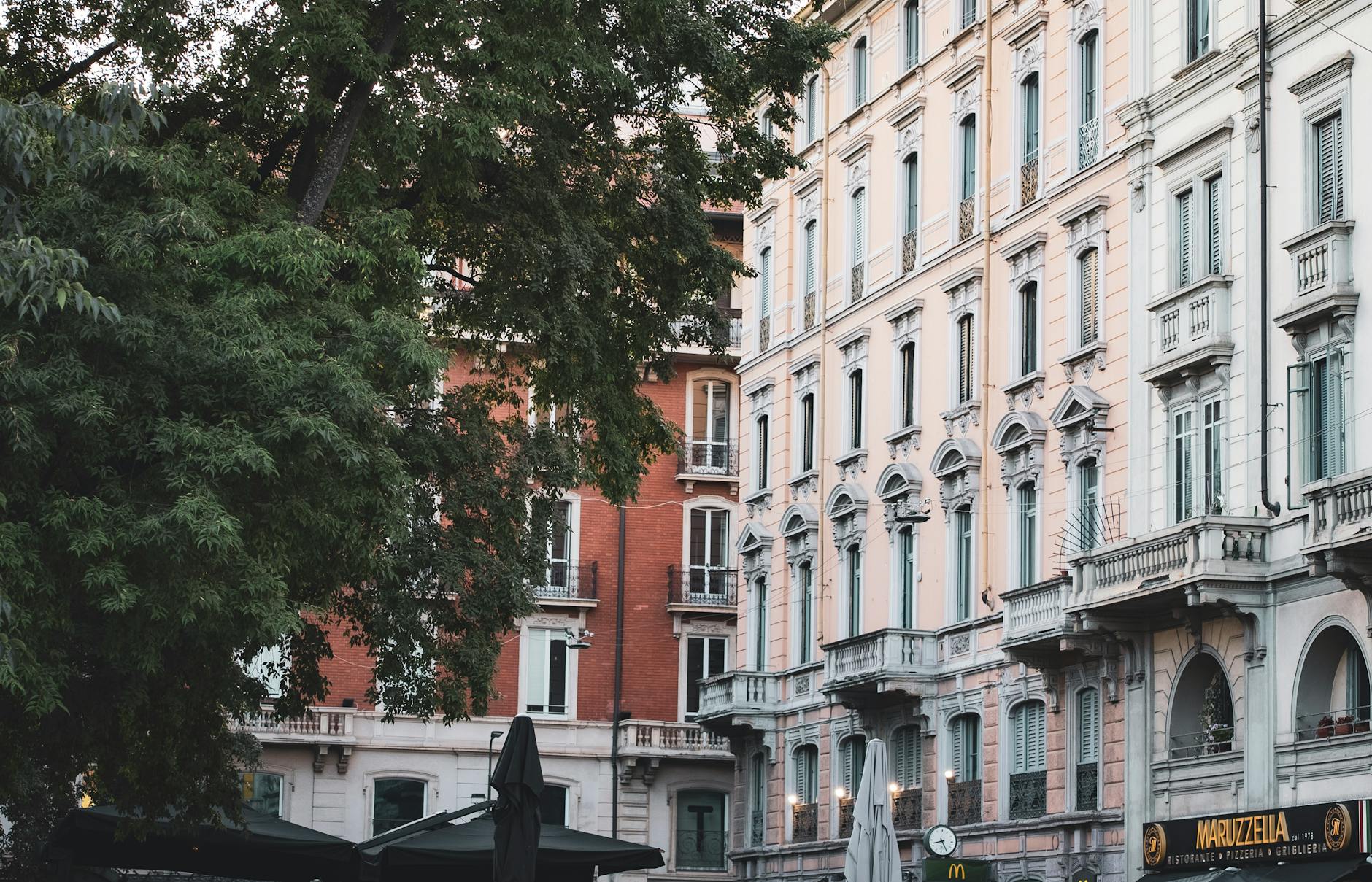
Here’s how to narrow your choice based on what matters most to you:
For sightseeing efficiency: Duomo / Centro Storico or Brera. You’ll be able to walk to most major attractions.
For the best food and nightlife: Navigli or Brera. Navigli wins for canal-side atmosphere and late-night energy; Brera wins for refined dining and wine bars.
For families: Porta Venezia (parks, museums, kid-friendly restaurants) or Porta Romana (quiet streets, playgrounds, local vibe).
For budget travelers: Città Studi (cheapest), Porta Venezia (best value-to-location ratio), or Stazione Centrale (most hotel options at low prices).
For couples: Brera (romantic streets, upscale dining) or Navigli (canal-side aperitivo, vibrant evenings). For more romantic ideas, see our romantic things to do in Milan guide.
For business travel: Porta Nuova / Garibaldi (modern hotels, meeting facilities, restaurant scene).
For repeat visitors: Isola (hip and evolving), Porta Romana (authentic local life), or Chinatown / Via Paolo Sarpi (incredible street food, unique character).
Find Your Perfect Milan Base
The beauty of choosing where to stay in Milan is that there’s no wrong answer — just different trade-offs. The city is compact, well-connected, and each neighborhood offers something distinctive. Our advice: prioritize atmosphere and character over pure proximity to the Duomo. A 15-minute metro ride is a small price to pay for staying in a neighborhood where the aperitivo is better, the streets are quieter, and the prices are kinder to your wallet.
Dig deeper into your accommodation search with our specialized guides: luxury hotels, boutique hotels, budget hotels and hostels, hotels near the Duomo, hotels near Centrale station, apartments and Airbnbs, and family-friendly hotels. And once you’ve booked, start planning what to see with our ultimate guide to things to do in Milan.
Buona permanenza!
Explore our complete where to stay in Milan
Use these in-depth guides to plan every part of your trip: