The Milan metro is the single transport tool I tell every visitor to learn before they land at Malpensa, and this Milan metro map guide is the one I wish someone had handed me on my first trip in 2014. Five lines, 113 stations, roughly 100 kilometers of track under the city, and a fare structure that finally makes sense in 2026 thanks to contactless tap-to-pay. A single ride costs €2.20 and a 24-hour pass is €7.20. If you can read four colors and tap a credit card, you can move from Linate Airport to the Duomo in 12 minutes for less than the price of an espresso at Marchesi. Most tourists waste money on taxis the first day, then realize on day two they could have used the metropolitana Milano the whole time.
I’ve ridden every line end-to-end across maybe forty trips, lived a summer in Porta Romana, and timed enough late-night rides home from Navigli to know where the system breaks down. What follows is the Milan metro map guide I send to friends — not a brochure rewrite.
Why the Milan subway beats every other way to get around
Milan traffic is worse than people expect. The historic center is small enough to walk, but anything beyond the inner ring — Navigli, Isola, Lambrate, San Siro — turns a 15-minute metro hop into a 35-minute taxi crawl. The city’s Area C congestion zone adds €7.50 just to drive a non-resident car into the center on weekdays, which is why renting a car in Milan only makes sense if you’re heading to the lakes. For everything inside the city, the metro wins on time, money, and stress.
The Milan underground is also genuinely modern. Trains arrive every 2-4 minutes during the day on M1, M2, and M3. Stations are clean by European standards (cleaner than Rome’s Termini, less polished than Munich’s). Signage is bilingual Italian/English at every major stop. Air conditioning works on every line, which matters in July when Milan hits 35°C. Compared to Rome’s two-and-a-bit lines or Naples’ charmingly chaotic single working line, Milan’s network is the closest Italy gets to a Northern European system.
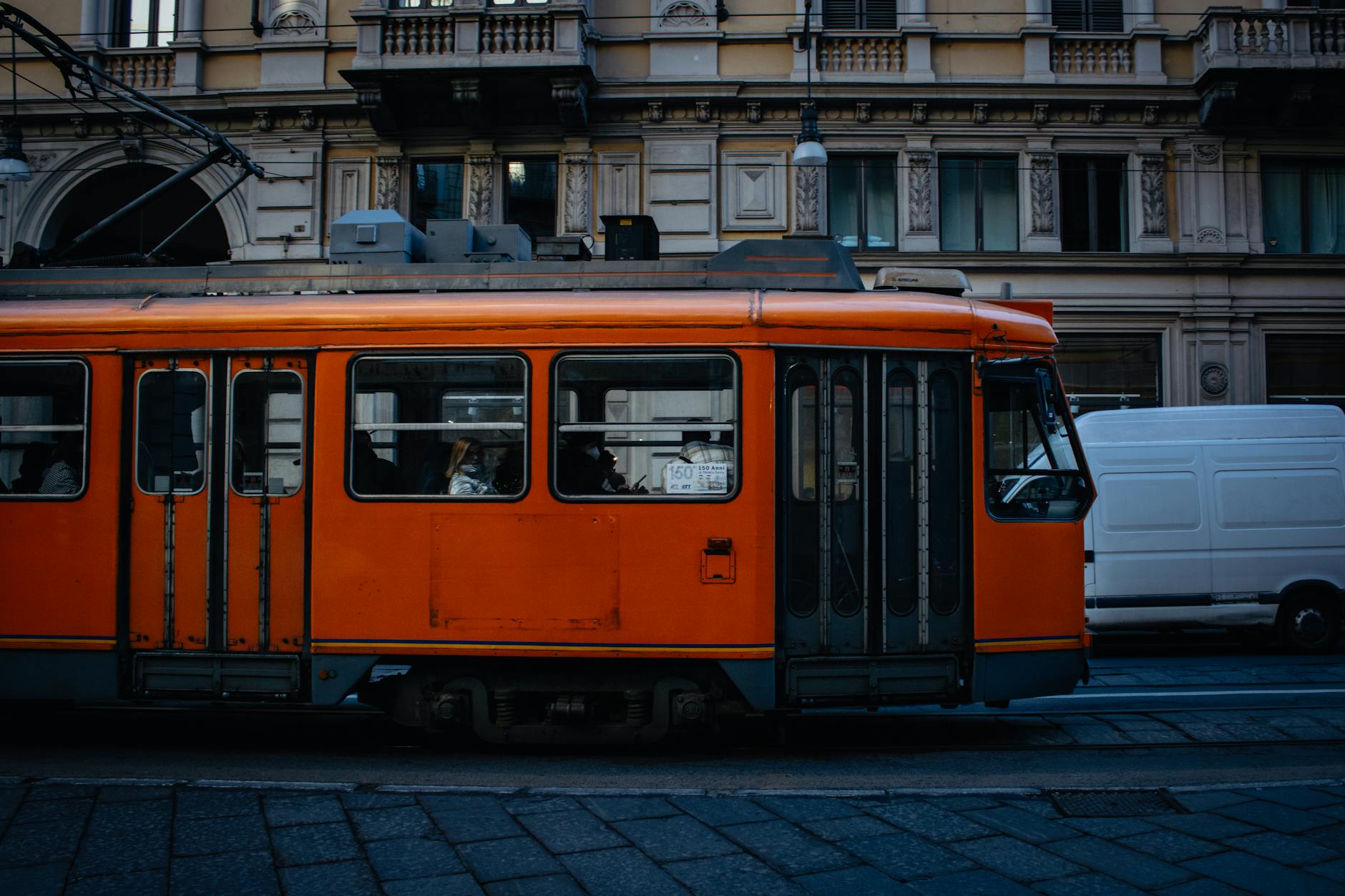
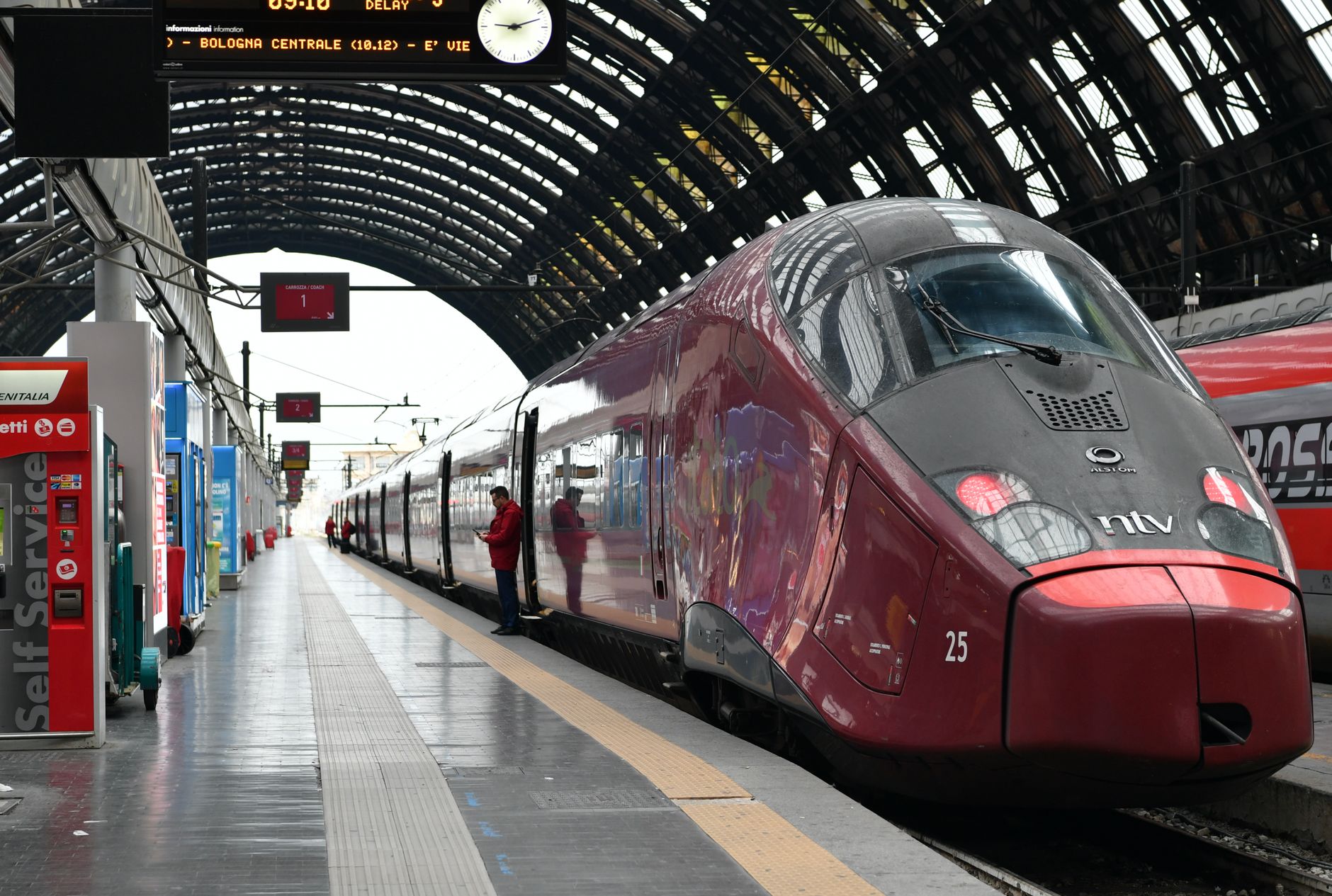
One more thing: the metro connects to almost every other useful piece of Milan’s transport puzzle. Both Milan airport transfers involve the metro now — M4 to Linate, Malpensa Express to Cadorna or Centrale, where you walk straight onto M1 or M2/M3. The Milan tram network plugs into metro stops at Cadorna, Lanza, Porta Genova, and a dozen others. The Milan to Lake Como train leaves from Cadorna (M1/M2) or Centrale (M2/M3). It’s a hub-and-spoke system and the metro is the hub.
The five lines, explained by someone who actually rides them
Locals refer to lines by color, not number. If you ask a Milanese for “linea quattro” you’ll get a blank stare; ask for “la blu” and they’ll point you to the right escalator. Learn the colors first.
M1 — Red Line (Linea Rossa). The tourist workhorse. Runs roughly 27 km from Sesto 1° Maggio in the northeast through Loreto, Porta Venezia, San Babila, Duomo, Cadorna, Pagano, and out to two western branches that split at Pagano: one to Bisceglie, the other to Rho Fiera Milano (the trade-fair grounds). End-to-end takes about 45 minutes. If you’re staying anywhere near the Duomo, you’ll use the red line daily. It also reaches the Sforza Castle (Cairoli stop).
M2 — Green Line (Linea Verde). The longest line at 40 km and the one that takes you to Navigli (Porta Genova stop). M2 runs from Cologno Nord and Gessate in the northeast, through Centrale FS (the main train station), Garibaldi FS, Lanza (for Brera), Cadorna, Sant’Ambrogio, and out south to Abbiategrasso or Assago Milanofiori. End-to-end is about 55 minutes. You’ll use it for arrivals at Centrale, the Navigli aperitivo crawl, and trips toward Lambrate.
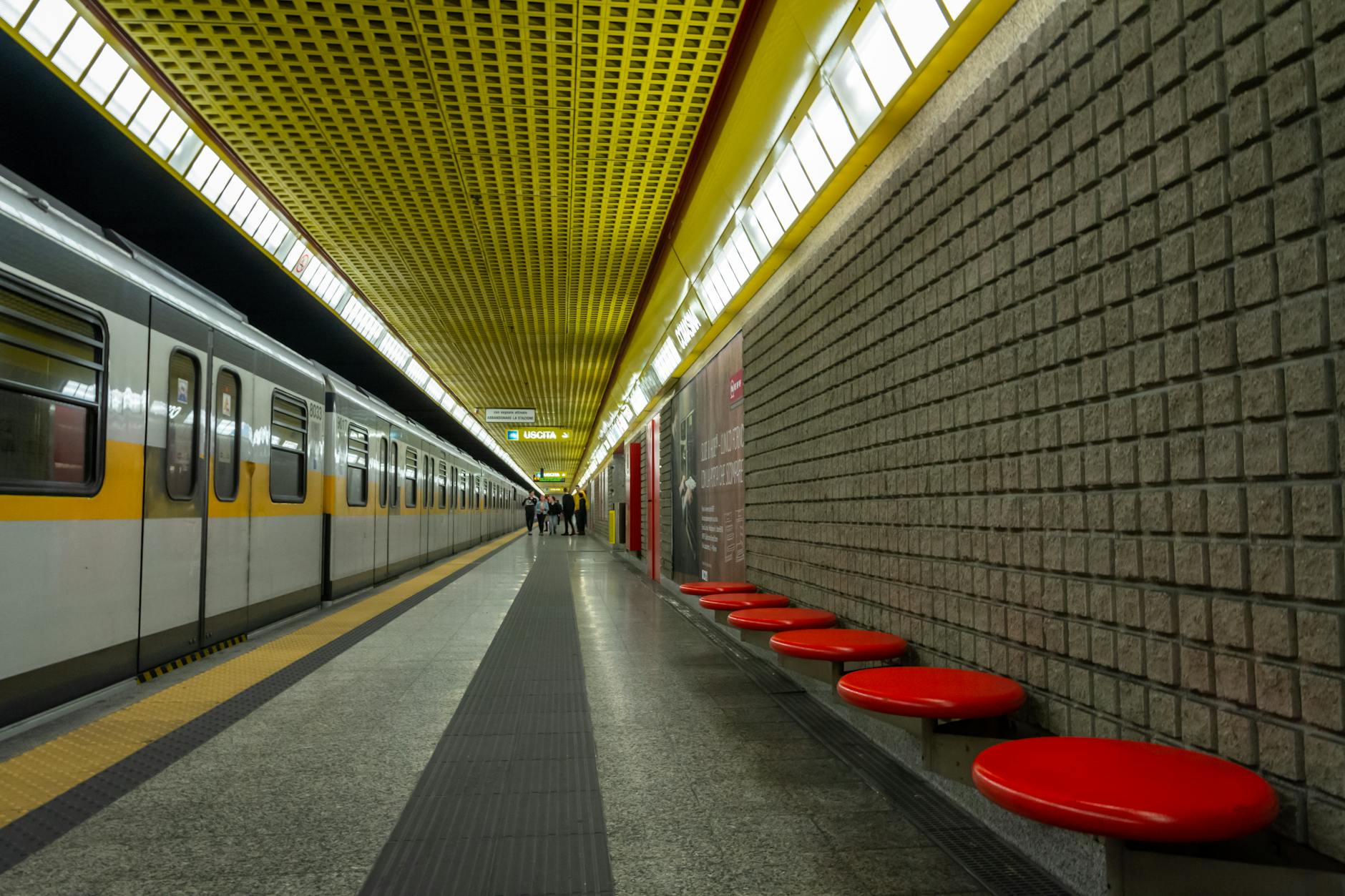
M3 — Yellow Line (Linea Gialla). The “shopping spine.” Runs north-south from Comasina to San Donato, hitting Centrale FS, Repubblica, Turati, Montenapoleone (the quadrilatero della moda), Duomo, Missori, and Porta Romana. End-to-end about 35 minutes. If your hotel is north of the center, M3 is your fastest route to Duomo. It also intersects with M1 at Duomo, M2 at Centrale, and M4 at Sforza Castle-Cadorna’s neighbor stop in 2026.
M4 — Blue Line (Linea Blu). Opened in stages and finished end-to-end in October 2024. This is the one that changed everything. M4 runs from Linate Airport in the east through Forlanini, Argonne, Tricolore, San Babila (transfer to M1), Sforza Castello, Sant’Ambrogio (transfer to M2), Solari, and out to San Cristoforo FS. Linate to San Babila takes exactly 12 minutes. End-to-end the line covers 15 km in 21 minutes. Trains are driverless, run every 3-6 minutes, and operate 6:00 AM to 12:30 AM. The blue line single-handedly killed the Linate taxi run for budget travelers.
M5 — Lilac Line (Linea Lilla). Driverless and the newest of the older lines, runs from Bignami Parco Nord through Garibaldi FS, Isola (the neighborhood with the Bosco Verticale towers), Porta Nuova, Zara, and west to San Siro Stadio. End-to-end about 25 minutes. If you’re going to a Milan or Inter match at San Siro, M5 drops you 200 meters from the stadium gates — vastly better than fighting matchday traffic.
Tickets, passes, and the contactless system that changed everything
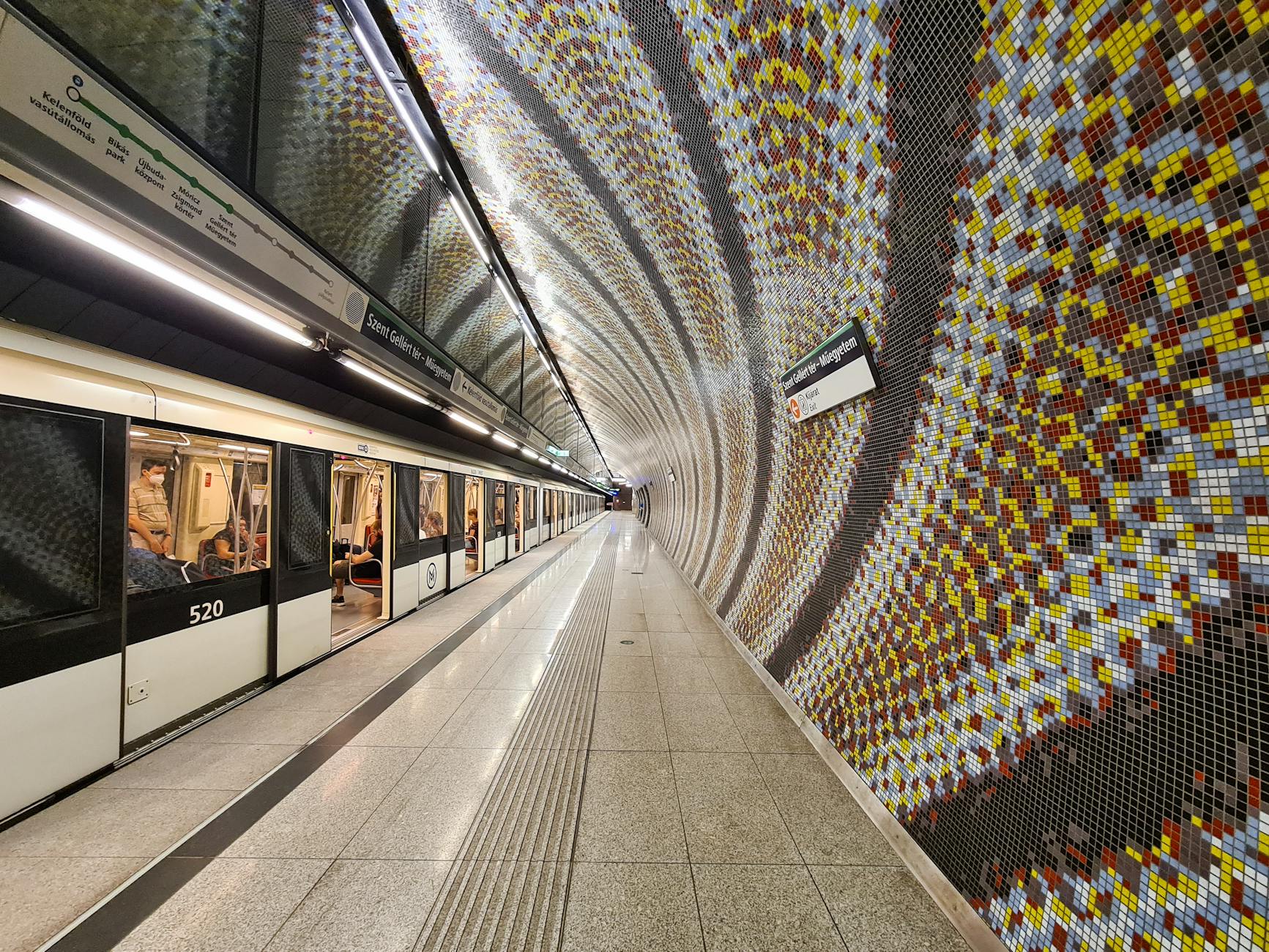
Milan finally finished rolling out full contactless tap-to-pay across every metro turnstile in 2023, and by 2026 it’s the default. Here’s how the fare structure breaks down in euros, current as of this writing.
- Single urban ticket (biglietto urbano) — €2.20. Valid 90 minutes from validation. Covers one metro ride plus unlimited bus/tram transfers within the urban zone (Mi1-Mi3) during the 90-minute window. You can NOT re-enter the metro on the same ticket.
- 24-hour pass (giornaliero) — €7.20. Unlimited rides for 24 hours from first validation. Breaks even at four rides.
- 3-day tourist pass — €15.50. Unlimited for 72 hours. The math works if you’re in Milan three full days.
- 10-ride carnet — €19.50. Saves €2.50 vs. ten singles. Good for a couple traveling together since two people can share one carnet on bus/tram (but NOT on the metro — each person needs their own validated ticket through the turnstile).
- Weekly pass — €17 if you have a registered RicaricaMi card.
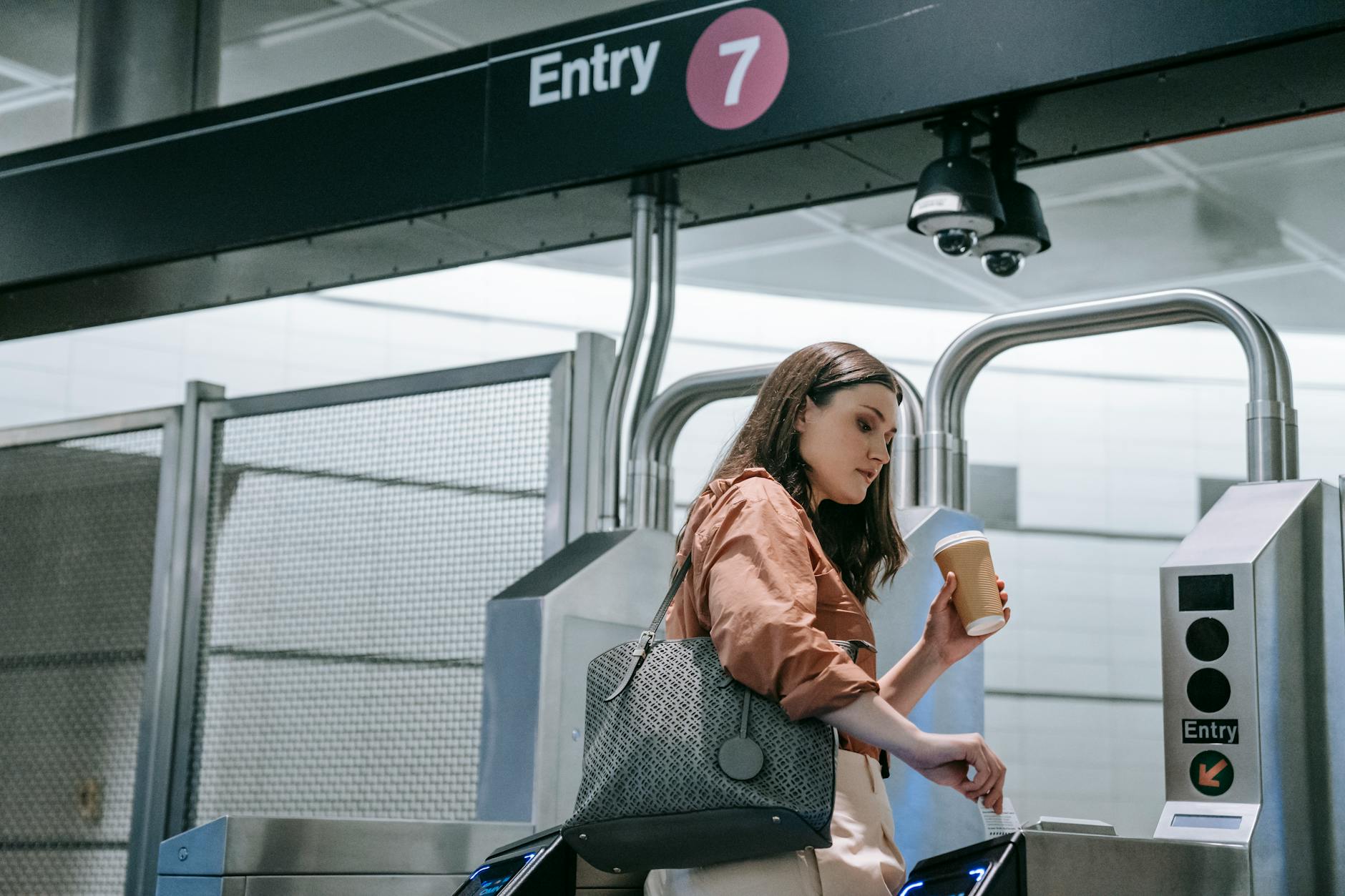
The cleanest option for short visits is contactless tap-to-pay. Tap your Visa, Mastercard, Apple Pay, Google Pay, or smartwatch at the dedicated contactless reader on the turnstile — it has a blue ATM logo, separate from the older paper-ticket slot. The system charges you €2.20 for the first ride. Tap the same card again on your next ride, and after your fourth tap in 24 hours, the system automatically caps you at the daily €7.20. You never pay more than the day pass even if you ride ten times. Each person needs their own card or device — you can’t tap a couple through on one phone.
Two contactless gotchas I’ve learned the hard way. First, on M4 and M5 (driverless lines), you must tap OUT at the exit reader, not just tap in. If you forget, you’ll get charged the maximum fare. Second, always use the same card for the whole journey including transfers — if you tap in with a credit card and then accidentally tap with your phone wallet on the transfer, the system treats them as two separate trips and you lose the daily cap.
For traditional tickets, buy at vending machines (every station, English menu, take cards), at tabaccherie (the T-sign tobacco shops), or in the ATM Milano app. The app is genuinely useful — it sells tickets as QR codes, calculates routes faster than Google Maps for transit in Milan, and pushes alerts about strikes. If you’re spending more than three days in the city, download it. The website giromilano.atm.it does the same routing in a browser.
Kids under 14 ride free when accompanied by a paying adult. Bring ID for the kid if they look older than 12 — controllers do ask occasionally.
Hours, frequency, and the last-train problem
The Milan metro is not a 24-hour system. This trips up a lot of visitors who assume it runs like London or New York.
- M1, M2, M3 — operate from 5:30 AM (6:00 AM on Sundays and holidays) until roughly 12:30 AM
- M4 — 6:00 AM to 12:30 AM daily
- M5 — 5:40 AM to midnight
- Frequency — every 2-4 minutes during peak (7:30-9:30 AM, 5:30-8:00 PM), every 4-7 minutes off-peak, every 8-12 minutes after 10 PM, and every 20-30 minutes at the outer terminal branches like Assago or Gessate
The critical detail: the “last train” time is when service ends at the terminus, not when the last train rolls through your station. A last train showing 12:30 AM at the Duomo platform might be the final one in one direction only. If you’re at Garibaldi at 12:20 AM trying to get to Cadorna on M2, you’ll probably make it. Trying to get from Cadorna out to Assago at 12:25 AM? You’re calling a taxi.
After the metro closes, ATM runs a night-bus network called Radiobus plus replacement bus lines that shadow the metro routes (NM1 follows M1, etc.). They’re slow and run every 30 minutes. If you’re out in Navigli past 1 AM, just budget €15-20 for an Uber or a white taxi — see my Milan taxis and ride-sharing guide for the rate breakdowns. On Saturday nights only, M1, M2, and M3 run an extra hour to about 1:30 AM, which is handy if your aperitivo turned into a full dinner.
Top 10 metro stops every visitor uses
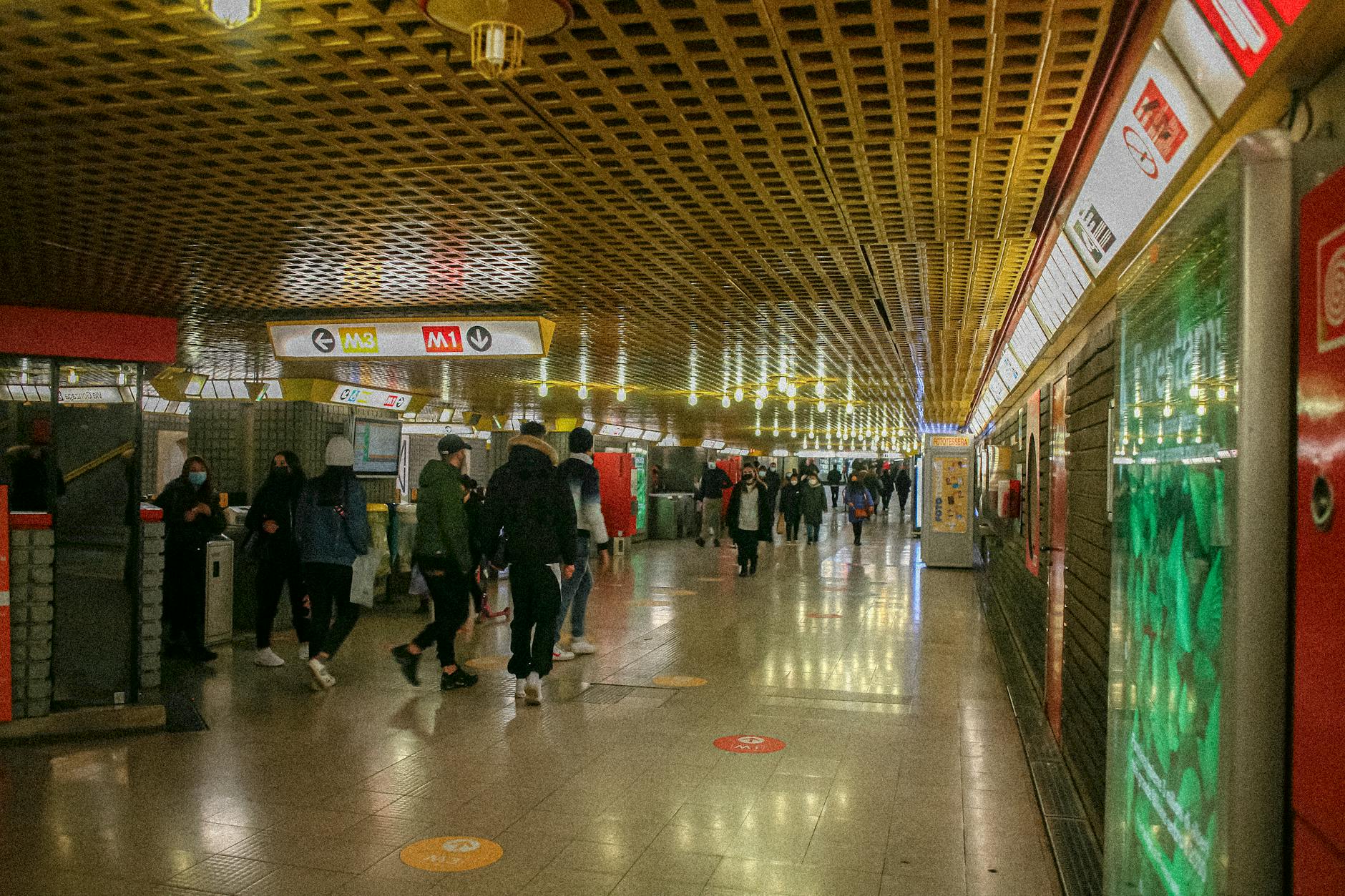
Duomo (M1 Red + M3 Yellow). The geographic and tourist heart of the city. Exit at the Duomo signs and you come up directly in Piazza del Duomo with the cathedral 50 meters in front of you. The Galleria Vittorio Emanuele II entrance is to your left. If you’re transferring between M1 and M3, follow the line-colored arrows — the transfer corridor is long (about 4 minutes of walking) but flat. Expect crowds at any hour; pickpockets work this station hard. Use the Via Mazzini exit to skip the worst of the cathedral tourist crush. See my Milan Duomo guide for what to do once you’re up top.
Cadorna (M1 Red + M2 Green). The launchpad for day trips. Cadorna is also Milano Cadorna train station — the Malpensa Express stops here every 30 minutes (€13 one way, 37 minutes to the airport). Trenord regional trains to Como Nord Lago, Saronno, and Varese also depart from upstairs. The exit lands you in Piazza Cadorna with Sempione Park and Sforza Castle five minutes’ walk north. If you’re using the metro to start a lake trip, this is your stop.
Centrale FS (M2 Green + M3 Yellow). Milano Centrale, the monumental main rail station. Frecciarossa high-speed trains to Rome, Florence, Bologna, Venice, and Naples all depart here. If you’re arriving in Milan by train, Centrale is almost always where you land. The metro mezzanine is two levels below the rail platforms; follow the orange “M” signs down. Centrale is also where I tell people to start a Milan train travel guide primer. Watch your bag here — the station’s vast and the touts know it.
San Babila (M1 Red + M4 Blue). The east-side equivalent of Duomo. This is where M4 from Linate Airport feeds into M1 for the final stop to Duomo (one minute). San Babila is the entry to Corso Vittorio Emanuele II, Milan’s main pedestrian shopping street that runs to the Duomo. Quieter exits than Duomo, easier for luggage. If your hotel is anywhere east of the center, this is probably your home stop.
Garibaldi FS (M2 Green + M5 Lilac). Garibaldi is the modern face of Milan — exit and you’re staring at the Bosco Verticale towers and Piazza Gae Aulenti’s fountains. The Trenord and Trenitalia station above hosts regional trains and the Malpensa Express stops here too. This is the stop for Isola and Porta Nuova, two of the best neighborhoods for evening drinks. The M5 platform is deep (six escalator flights down); plan an extra three minutes for transfers.
Loreto (M1 Red + M2 Green). Northeast transfer hub. Tourists rarely come here as a destination, but everyone passes through. The transfer corridor is shorter than Duomo’s. If your hotel is in NoLo (North of Loreto, an up-and-coming food neighborhood), you’ll exit here. Avoid the eastern exits after dark — the area immediately around Piazzale Loreto is not the city’s most welcoming corner.
Cordusio (M1 Red). One stop west of Duomo and my preferred drop-point for the Duomo area, especially with luggage. Cordusio puts you between the cathedral and Castello Sforzesco with fewer crowds and the original Starbucks Reserve Roastery 30 seconds from the exit. Walk five minutes east for the Duomo, five minutes north for Brera.
Repubblica (M3 Yellow). Hotel district. If you’re staying anywhere along Via Vittor Pisani between Centrale and Repubblica (Hilton, Westin Palace, Principe di Savoia, NH Collection), this is your stop. Two minutes’ walk from the giardini Indro Montanelli (the public gardens) and the natural history museum.
Sant’Ambrogio (M2 Green + M4 Blue). Named for the Basilica di Sant’Ambrogio, one of the oldest churches in Milan. The 2024 M4 connection turned this into a major transfer station. Useful for the university district, the Last Supper at Santa Maria delle Grazie (10-minute walk), and the Museo della Scienza e Tecnologia. Quieter than the central stops.
Lanza (M2 Green). The Brera stop. Exit and walk three minutes east to Via Brera, the cobblestoned art-district main street with the Pinacoteca di Brera, the Orto Botanico, and roughly forty good aperitivo bars. Lanza is also right next to the Piccolo Teatro. The exit lands you on a leafy stretch that feels nothing like a metro emergence — one of my favorite first impressions of the city for visitors.
How to actually navigate the system
Signage in Milan metro stations follows a consistent logic once you learn it. Every line has its color, and directional signs name the line by its terminus stop — not by north/south or east/west. So at Duomo, M1 westbound signs read “Bisceglie / Rho Fiera” and eastbound signs read “Sesto 1° Maggio.” Memorize the terminus of the direction you’re heading before you enter the platform area; it saves you from doubling back.
Transfers between lines are signed with colored circles for each connecting line. At big interchange stations (Duomo, Centrale, Cadorna), expect a 3-5 minute walk between platforms — the lines were built in different decades and don’t always stack neatly. Wear comfortable shoes.
Buying tickets at the machine: tap the British flag for English, choose “Single Urban Ticket” or “Day Pass,” insert coins or a card. The machines accept contactless on cards. If a machine looks broken, walk to the next one — every station has at least three.
Where to position yourself on the platform: trains are six cars long on M1, M2, M3 and shorter on M4/M5. If you’re transferring, look at the in-station maps for “uscita” (exit) symbols showing which car aligns with the escalator at your destination — boarding the right car can save you a five-minute walk inside the station.
Validation: this is the part North American visitors mess up. Paper tickets MUST be validated by inserting them into the turnstile slot or the freestanding validation machine. Just buying a ticket and pocketing it is not enough — controllers do check, and the fine is €45-100 on the spot. Contactless taps validate automatically when the gate opens.
Practical tips after a dozen trips
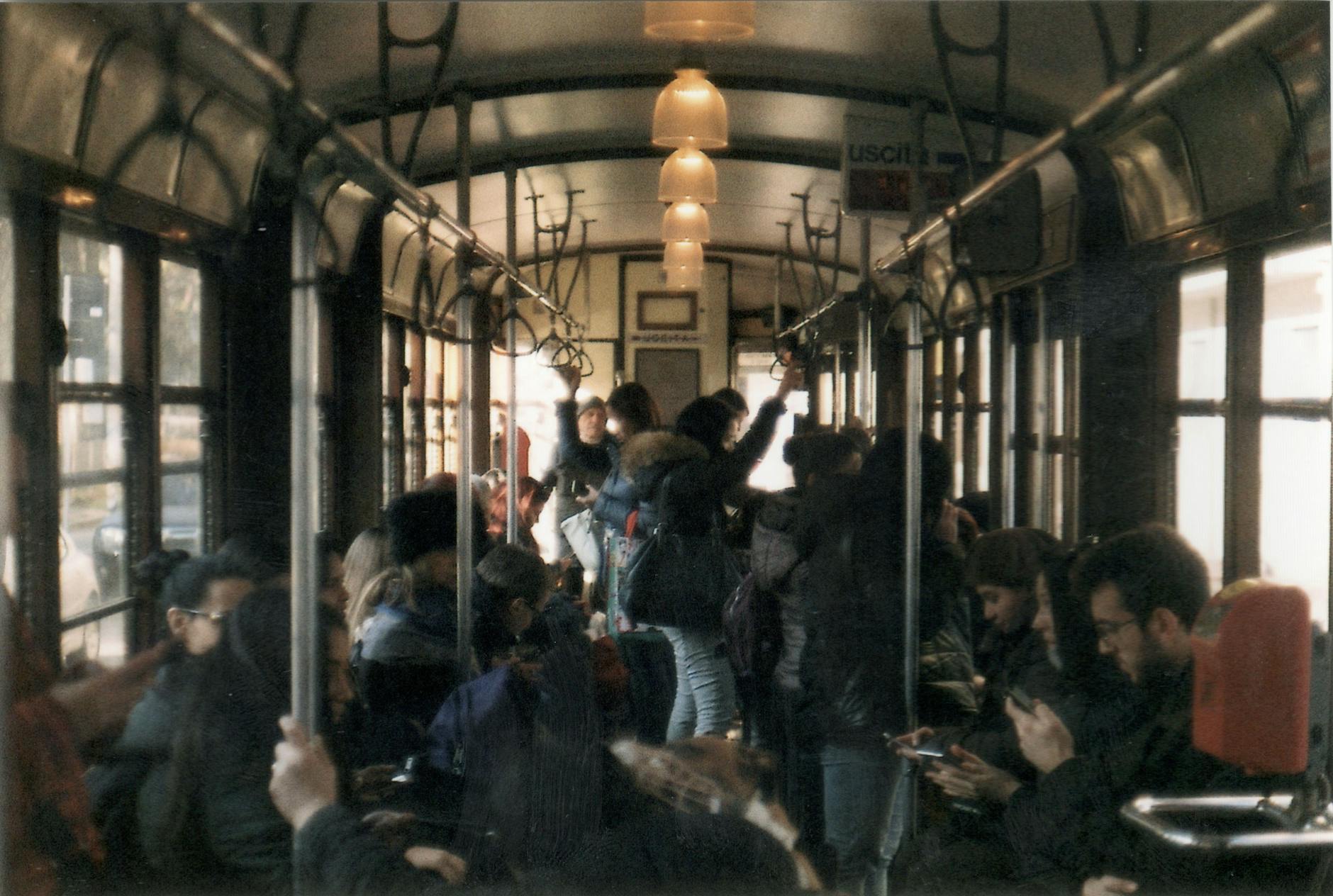
Peak hours run 7:30-9:30 AM and 5:30-7:30 PM weekdays, and during those windows M1 between Loreto and Cadorna gets uncomfortably full. Centrale at 8:15 AM is the worst — commuters from suburban rail spill onto M2 and M3 all at once. If you have luggage, never travel between 8 and 9 AM. Travel at 10 AM instead and the trains are half-empty.
Pickpockets concentrate on M1 and M3 (the most tourist-heavy lines) and at Duomo, Centrale, and Cadorna stations specifically. The classic move is a crowd-bump as you board, with one hand creating distraction and another reaching into your back pocket. Move your wallet to a front pocket or a zipped inner bag before you enter the station. Backpacks should be worn on the front in crowded cars. I’ve never been pickpocketed in Milan because I do this — friends who haven’t, have been hit twice.
Milan does NOT have women-only carriages. The whole system is mixed. Female solo travelers I know describe the metro as comfortable into the evening; I’d still avoid empty cars after 11 PM and stick to the front cars where the driver sits (or, on M4/M5 driverless, the cars with the most other passengers).
Bikes are allowed on metro outside peak hours and on weekends, but the lifts are limited and tourists with rented bikes will have a bad time on stairs — check my biking in Milan guide for the bike-share alternatives. Strollers fit easily; every major station has lifts though they’re often slow.
Etiquette: stand right on escalators, walk left. Let people exit before boarding. Don’t eat in the carriages — locals don’t, and you’ll get glares. Conversations are quieter than New York or London standards. Phones on speaker invite open hostility.
Restrooms: Milan metro stations DO NOT have public restrooms. None of them. Plan accordingly. Centrale and Cadorna have paid restrooms upstairs in the main rail stations (€1). Otherwise, duck into a bar, order a €1.20 espresso at the bar, and use theirs.
Strikes (scioperi) hit Milan transport a few times a year, typically announced 10 days in advance. The ATM app pushes alerts. During strike days metro service is guaranteed only during morning peak (6:00-9:00 AM) and evening peak (6:00-9:00 PM). Check before you travel.
Best time to ride and avoid crowds
The sweet spot is 10:30 AM to noon and 2:00 PM to 4:30 PM. Trains are running at full frequency (every 3-4 minutes) but the commuter rush is over. Tourist crowds at Duomo are constant from 9 AM, so if you want a quiet Duomo experience, take M1 at 8:00 AM before the cathedral opens at 8:00 — see Milan attractions for opening times.
Sundays are the calmest day on the network overall, though tourist-heavy stations (Duomo, Cadorna for Sforza Castle) still pack out 11 AM to 4 PM. August is empty — most Milanese leave for the coast and the city feels like a ghost town. Mondays are the busiest tourist day at the museums and the metro reflects it around 11 AM near Brera and Sant’Ambrogio.
Avoid Saturday afternoon if you’re using M3 around Montenapoleone — fashion-district shopping crowds make the carriages a press. Switch to walking for that stretch; it’s only 10 minutes from Duomo on foot anyway.
Coffee and bites near the major stations
If you’re using the metro all day, you’ll inevitably need a caffeine refuel between stops. A few tested favorites near the big interchange stations.
Near Duomo: Marchesi 1824 in the Galleria for the classic Milanese cafe experience (€3 espresso at the bar, €8 at a table). Or Camparino, also in the Galleria, for a proper Negroni with a view of the cathedral. For something cheaper and faster, Pasticceria Marchesi’s outpost on Corso Magenta near Cadorna does a perfect cornetto for €1.80.
Near Centrale: skip the station bars — they’re overpriced. Walk three minutes east to Princi on Piazza XXV Aprile for proper Milanese bakery food. Pavé on Via Felice Casati (10 minutes’ walk) is worth the detour for the best brioche in town.
Near Garibaldi: Pasticceria Cucchi (a short tram ride) is a Milan institution. For something walkable from the station, the Eataly mothership is two minutes north — pricey but you can grab a quick pasta lunch for €12.
Near San Babila: head to Corso Vittorio Emanuele and grab a quick standing espresso at any of the historic bars. For aperitivo, Bar Basso (a 10-minute tram east) invented the Negroni Sbagliato. For dinner planning, see things to do in Milan.
Near Cadorna: the area between Cadorna and Brera is dense with cafes. Bianca Pasticceria on Via Pontaccio is my pick for an afternoon refuel.
FAQ
Does the Milan metro accept contactless credit cards?
Yes, on every line and every turnstile since 2023. Tap any Visa, Mastercard, Maestro, Apple Pay, Google Pay, or compatible smartwatch on the contactless reader at the turnstile (look for the blue ATM logo, not the older paper-ticket slot). You pay €2.20 per ride and the system automatically caps your daily charges at €7.20 after four rides. Each person needs their own card or device — you can’t tap two people through on one phone.
How much is a Milan metro ticket?
A single urban ride is €2.20 and is valid for 90 minutes including bus and tram transfers (but you can’t re-enter the metro). A 24-hour pass is €7.20, a 3-day tourist pass is €15.50, and a 10-ride carnet is €19.50. Children under 14 ride free with a paying adult. Contactless tap-to-pay automatically gives you the day cap after four rides.
Does the Milan metro go to Malpensa Airport?
No. The metro reaches Linate Airport (M4 blue line) but not Malpensa. To reach Malpensa you take the Malpensa Express train, which leaves from Cadorna (M1/M2) or Centrale (M2/M3) every 30 minutes, takes 37-50 minutes, and costs €13 one way. Plan a metro ride to one of those stations first. The M4 to Linate is genuinely useful — 12 minutes from San Babila to the terminal for €2.20.
What time does the Milan metro stop running?
Around 12:30 AM for M1, M2, M3, and M4, and midnight for M5. The exact “last train” depends on direction and station — a train showing 12:30 AM at Duomo might already be the final run on one branch. Saturday nights only, the older lines run an extra hour to about 1:30 AM. Replacement night buses (NM1, NM2, etc.) shadow the metro routes after closing but run only every 30 minutes.
Is the Milan metro safe at night?
Yes, with caveats. Violent crime is rare. Pickpocketing is common at major stations and on crowded trains — keep your wallet in a front pocket and your phone secured. After 11 PM, ride the front cars where there’s more foot traffic and proximity to the driver. Avoid empty cars and the easternmost exits at Loreto and Centrale late at night. Solo female travelers I’ve spoken to describe the system as comfortable into the late evening with normal big-city awareness.
How do I transfer between Milan metro lines?
Follow the colored circle of the line you want to switch to. At interchange stations the corridors are signed by line color and terminus stop, not by compass direction. Allow 3-5 minutes for transfers at big stations (Duomo, Centrale, Cadorna). With a contactless card or single ticket, you don’t tap out and back in — the transfer happens inside the paid zone. With contactless, just make sure you use the same card for the whole journey to keep the daily fare cap.
Final thoughts
The Milan metro map guide is the cheat code for Milan. Five lines, four colors plus blue, contactless tap-to-pay, €2.20 a ride, and most of the city center within a 15-minute network ride of wherever you’re staying. Skip the airport taxi from Linate (€2.20 vs. €40), skip the Uber for short hops in the center, and use the M2 to get to Navigli for aperitivo instead of fighting Saturday-night traffic. If you’re booking a hotel, prioritize one within a 10-minute walk of a metro stop — see my where to stay in Milan and Milan neighborhoods guides for the trade-offs.
One last opinion: Milan is the only major Italian city where I genuinely prefer the metro to walking, even for distances I’d cover on foot in Florence or Bologna. The trains are that good. Download the ATM Milano app on your first morning, link a card to your phone wallet, and you’ve solved transportation for the rest of your trip. For the broader picture of how the subway fits with trams, buses, taxis, and trains, see my full Milan transport guide. Buon viaggio.