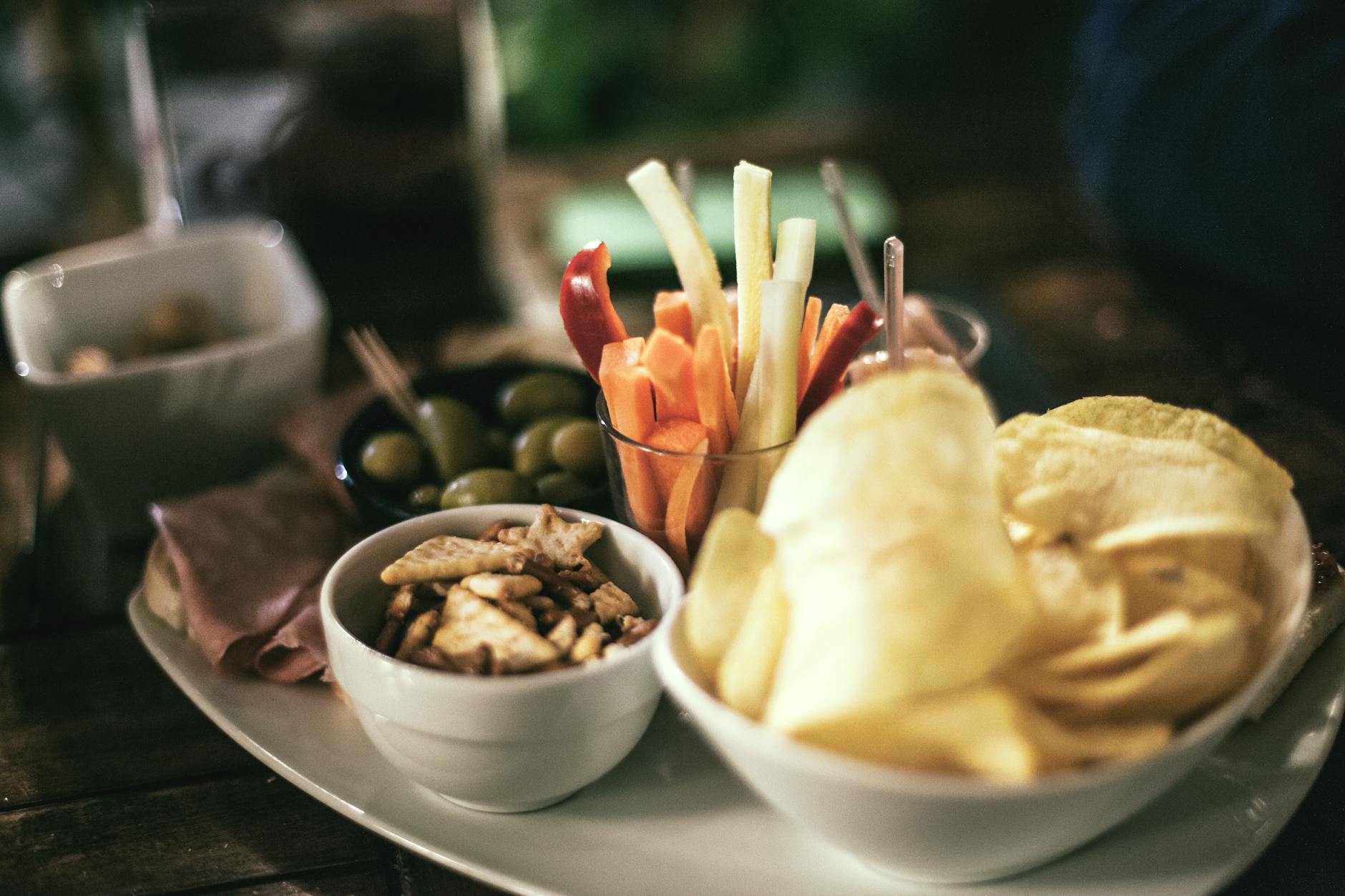
Cheap aperitivo Milan is one of those rare travel hacks that locals don’t try to hide — they invented it, they live by it, and they’ll defend the ritual against any tourist who tries to treat it like ordinary happy hour. Between roughly 6 p.m. and 9 p.m., bars across the city pour a €8-€12 cocktail and throw in a buffet of food substantial enough that, if you know what you’re doing, you can skip dinner entirely. I’ve done exactly that on dozens of nights in Milan, and I’ve also watched first-timers blow €40 in the same window because they didn’t understand the rules. This guide is the version I wish someone had handed me on my first trip: where to go, what to pay, when to arrive, and the unwritten etiquette that separates a great aperitivo from a sad one.
The short version: Milan aperitivo is not happy hour in the American sense. You aren’t getting half-price drinks. You’re getting a full-price drink that comes with food included — and in the right spot, “food” means warm pasta, focaccia, cured meats, risotto, and a buffet you can return to. For more on the city’s broader cheap-eats culture, see our cheap eats in Milan guide, and for context on overall trip costs, our Milan trip budget breakdown.

The economics: why a €10 drink is actually dinner
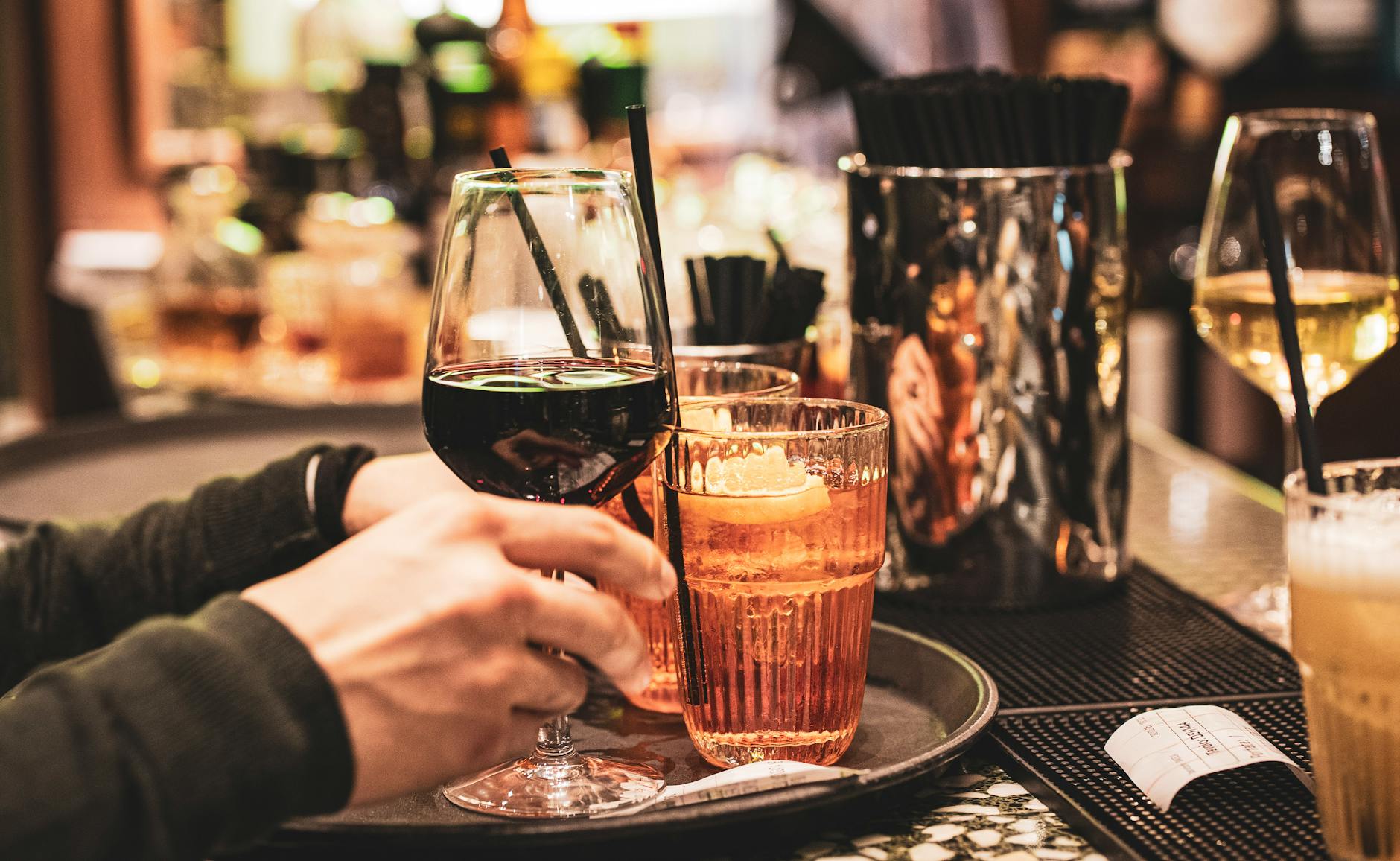
Here’s the math that makes aperitivo work. A standard Aperol Spritz in central Milan runs €8 to €12 at most respectable bars during the aperitivo window. That price includes access to the buffet, which at the better spots is genuinely substantial — small plates of pasta, cubes of frittata, focaccia, olives, salumi, cheese, sometimes risotto or warm vegetable dishes. Compare that to a sit-down dinner in central Milan, where you’ll pay €15-€25 for a primo, another €15-€20 for a secondo, plus coperto, plus a drink. Aperitivo replaces a €45 dinner with a €10 outlay. Multiply across a week and the savings are the difference between an affordable trip and a memorable one.
The trick is knowing which bars actually feed you. Some places — especially the touristy ones around Duomo — charge €14 for a watery spritz and put out a bowl of stale chips and call it aperitivo. Those don’t count. The bars I’m sending you to put real effort into the buffet because regulars would walk out otherwise. This is the core of Milan’s budget travel strategy: eat on the locals’ schedule, not the tourist schedule.
Navigli: the aperitivo capital, ranked by what you actually get
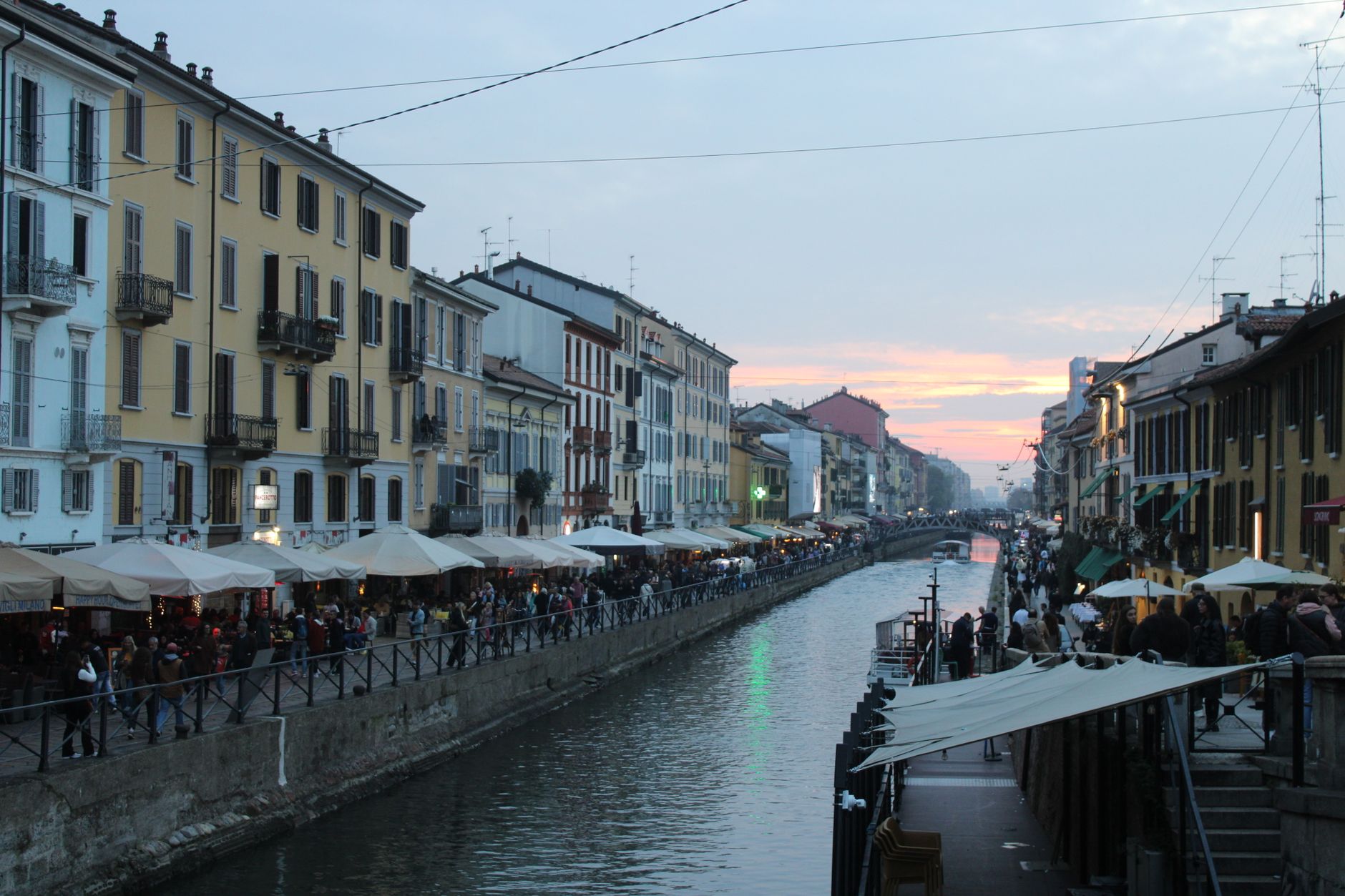
The Navigli district — the old canal neighborhood south of the center — is where aperitivo became a citywide religion. On a summer evening the towpaths along the Naviglio Grande and Naviglio Pavese turn into one long outdoor bar, and the competition between venues keeps prices honest. Here’s where I actually go.
Mag Cafè (Ripa di Porta Ticinese 43). Probably the most photographed bar on the canal, and for once the hype is justified. The interior looks like a 1920s pharmacy with brass fittings and apothecary jars; the cocktails are €10-€12 and properly mixed — these people care about the drink, not just the volume. The aperitivo plate is small but quality: cured meats, cheese, focaccia, a couple of warm bites. This is a cocktail-first spot. If you want to eat your dinner off the buffet, Mag isn’t the right call. If you want one excellent Negroni while watching the canal at golden hour, it’s perfect.
Rita (Via Angelo Fumagalli 1). One block off the canal and infinitely better for it. Cocktails €9-€11, and Rita’s bar program is one of the most respected in Milan — bartenders here go on to open their own places. The buffet leans modern: small portions, careful plating, not the all-you-can-eat warehouse model. Come for the craft. Vibe is grown-up, design-conscious, no bachelorette parties.
Ugo Bar (Via Corsico 12). My pick when I’m hungry. The food is more generous than Mag or Rita — proper pasta plates, sometimes a vegetable curry, focaccia that keeps appearing. Cocktails €8-€10. The crowd is younger and louder, the music is better than it has any right to be, and on a Thursday night you’ll struggle to find a seat after 8 p.m.
Spritz Navigli (Ripa di Porta Ticinese 9). The honest all-you-can-eat play on the canal. €10 gets you a drink and unlimited access to a buffet that includes pasta, pizza slices, salads, and dessert. The cocktails are not going to win awards — this is industrial spritz, not artisan — but if your goal is to eat dinner for €10 with a drink included, this is the math that works. Good for groups, students, and anyone on a tight budget. See more in our complete Navigli guide.
Brera: smaller buffets, better cocktails
Brera is the arty, expensive, cobblestoned neighborhood north of Duomo. The trade-off here is real: you’ll pay a euro or two more per drink, and the buffets are noticeably smaller — but the cocktail quality jumps and the streets are some of the most attractive in the city. This is where I go when I want to drink well, not eat cheaply.
Bar Brera (Via Brera 23). The default. Sidewalk tables on Via Brera, spritz at €9, a serviceable buffet of bruschetta, olives, and small bites. Not the best cocktails in the neighborhood, but the location is unbeatable for people-watching and the price-to-vibe ratio is honest. Arrive before 7 if you want a sidewalk table.
N’Ombra de Vin (Via San Marco 2). A wine bar inside a former refectory, which means stone arches, candlelight, and an intimidating wine list. Glasses start around €7, full pours often climb to €15+. The aperitivo here is wine-focused, not cocktail-focused, and the food is mostly cheese and salumi plates — not a buffet in the Navigli sense. If you want to drink Italian wine well, this is the room.
Dry Milano (Via Solferino 33). Cocktail temple. The drinks list reads like a master class — they revive forgotten 19th-century recipes alongside their own creations — and prices reflect it at €12-€16. The food side is famously a pizza-and-cocktails pairing, so you can order a Neapolitan-style pizza for €8-€12 to go with your drink. This isn’t traditional aperitivo. It’s better. If cocktails are your priority, see our guide to the best bars in Milan.
Isola and Porta Nuova: the modern Milan side
The skyscraper district around Porta Nuova and the formerly working-class Isola neighborhood next door have become the city’s design-and-tech corridor. The aperitivo here is sleeker, sometimes more expensive, but there are real values if you know where to look.
Frida (Via Antonio Pollaiuolo 3). Isola’s longtime favorite. Big internal courtyard with picnic tables, fairy lights, a relaxed crowd of designers and students. Cocktails €8-€10. The buffet is generous in a casual way — pasta salad, focaccia, vegetables, hummus. This is the closest the modern side of the city comes to the Navigli all-you-can-eat ethos.
Deus Cafè (Via Thaon di Revel 3). A motorcycle shop that turned into a café-bar, which sounds like a cliché and somehow isn’t. The aperitivo runs €10 and the food is better than it needs to be: salads, hot dishes, decent bread. Weekday crowd skews creative-industry; weekends bring families. Outdoor seating is excellent in warm weather.
Ceresio 7 (Via Ceresio 7). Rooftop bar atop the DSquared2 headquarters with twin pools, a wraparound view, and cocktails that start at €18. This is not cheap aperitivo. I’m including it because someone reading this will want one splurge night, and Ceresio 7 at sunset is the splurge I’d actually recommend over a fancy dinner. Dress nicely. Reserve. Expect to spend €25+ on a drink.
The honest all-you-can-eat buffet spots — addresses included
If your only goal is to eat dinner from a buffet for the price of one drink, these are the venues built for that. The cocktails are workmanlike, not artisan. The food keeps coming.
- Spritz Navigli — Ripa di Porta Ticinese 9. €10 drink, unlimited buffet, pasta and pizza included.
- Le Biciclette — Via Giovanni Battista Torti 2 (corner of Conca del Naviglio). €10-€12, generous spread that rotates through the evening.
- Bar Bianco — Viale Ibsen 4, inside Parco Sempione. €10 in a park setting; great in summer, closed in deep winter.
- Apollo Milano — Via Giosuè Borsi 9. €12, modern buffet that includes warm dishes and a dessert station. Bigger food spread than most.
- Pavè Break — Via Felice Casati 27. Bakery-bar hybrid; €10 with bread-forward buffet that includes their famous focaccia.
- Mom Café — Alzaia Naviglio Grande 4. €10, canal-side, generous on the carbs.
For more on stretching food spend, our student guide to Milan covers the same logic applied to lunch, groceries, and free attractions.
Timing strategy: when to arrive and when to leave
Aperitivo officially runs 6 p.m. to 9 p.m., though many bars extend to 9:30 or 10 on weekends. Here’s how to actually play it.
Arrive at 6:30. Earlier than that and the buffet is still being set up — you’ll get the first round but it’s often incomplete. Later than 7:30 in popular spots and you’re standing, not sitting. The 6:30 sweet spot gives you a fresh buffet and a fair shot at a table.
The buffet refresh happens around 7:30-8. Bartenders restock when the initial spread starts to look picked-over. If you can be patient until the refresh, you’ll get hotter, fresher food. This is the inside move.
Refills are allowed — within reason. Going back two or three times across the evening is normal and expected. Going back six times with a piled plate each round will get you side-eyed by staff and locals alike.
One drink, one buffet entry. The fundamental rule. The buffet is included with your drink. If you want to keep eating, order another drink. Don’t try to nurse one spritz for three hours while shuttling food back to your table — staff notice, and they’ll start ignoring you.
Leave by 9. By 9 p.m. the buffet is closing down, the kitchen pivots to actual dinner service or the bar pivots to nightlife, and the deal is over. If you want to keep drinking, you can — but at full price with no food. Either move to a proper dinner spot or roll on to the Milan nightlife side of the evening.
Aperitivo etiquette: what not to do
I’ve watched tourists get politely frozen out of bars for breaking these rules. The locals won’t say anything, but you’ll feel the temperature drop.
- Don’t pile your plate. One reasonable serving per trip. Italians load up gradually across the evening; Americans tend to build a small mountain on round one. Don’t be the mountain.
- One drink minimum to access the buffet. If a friend orders a drink and you don’t, you don’t eat. Splitting is not the move.
- Don’t try to take food to go. The buffet is for in-house consumption, full stop. No napkin-wrapped salumi for the road.
- Don’t tip-shame your group. Tipping is not customary in Italy. A euro or two left on the table for excellent service is generous; 20% is American imposition. Service is included in the drink price.
- Don’t order coffee or beer and expect the buffet. Some places allow it, many don’t. The deal is built around the cocktail.
- Don’t show up at 5:45 and demand to start. 6 p.m. means 6 p.m. The staff is still plating.
The underlying philosophy: aperitivo is a social ritual that happens to include food. It’s not a buffet that happens to include a bar. Once you internalize that, the etiquette is intuitive.
Weekday vs weekend — the deal changes
Monday through Thursday is the locals’ aperitivo. It’s quieter, cheaper, more generous, and easier to get a seat. The buffet at most spots is at full strength because regulars are eating dinner from it before going home. This is the version of aperitivo you actually want.
Friday and Saturday flip into something different. Crowds double or triple. Some bars switch to a “fixed price” model — €15 or €18 for a drink and buffet access — because demand justifies it. The buffet sometimes shrinks because the bar is making more money on volume. Outdoor seating in Navigli is genuinely impossible to find after 7 p.m. on a Saturday in summer.
A few spots only do aperitivo Monday through Friday and skip weekends entirely — they pivot to full dinner service when demand allows. Always check before you walk over. Sunday is the wildcard: many bars are closed, some do an extended aperitivo into the early evening, and the few that are open in tourist neighborhoods are packed.
If you’re in town for a short stretch, prioritize a Tuesday or Wednesday aperitivo over a Saturday one. You’ll have a better night for half the stress.
The drinks: what to order and what they mean
Milan invented half the modern aperitivo canon, so ordering well is part of the experience. Here’s the rundown.
Aperol Spritz (€8-€12). The default. Aperol, prosecco, soda, ice, orange slice. Bright, bitter-sweet, lower alcohol than people assume. The order that makes you blend in with 80% of the room.
Campari Spritz (€8-€12). Substitute Campari for Aperol and you get a deeper, more bitter, more grown-up version. This is what the locals over 35 usually drink. If Aperol is too sweet for you, this is your fix.
Campari Soda (€5-€7). The cheapest real drink on most menus. A small pre-bottled ruby-red Campari with soda water — €4-€5 in a casual bar, sometimes still includes buffet access. Bracingly bitter. An acquired taste that locals adore.
Milano-Torino (€8-€10). Campari plus sweet vermouth, no soda. The ancestor of the Negroni. Served on the rocks with an orange peel. Underordered, excellent.
Negroni (€10-€14). Equal parts gin, Campari, sweet vermouth. The classic. Order it in any decent Milanese bar and you’ll get a serious drink.
Negroni Sbagliato (€10-€14). Invented at Bar Basso in Milan in 1972, when bartender Mirko Stocchetto grabbed a bottle of prosecco instead of gin by mistake and decided the result was better. Sbagliato means “mistaken.” Equal parts Campari, sweet vermouth, sparkling wine. Lighter than a Negroni, more interesting than a spritz. If you’re going to drink one cocktail at Bar Basso (Via Plinio 39, far from the tourist trail and worth the metro ride), this is it.
For deeper context on the bars that invented these drinks, our Milan aperitivo overview covers the cultural history in more depth.
Frequently asked questions
What time is aperitivo in Milan?
Most bars start at 6 p.m. and end around 9 p.m., though some extend to 9:30 or 10 on weekends. The sweet spot for arriving is 6:30 — early enough to get a fresh buffet, late enough that the spread is fully laid out. After 9 p.m. the buffet closes and drink prices revert to full cocktail-bar rates.
How much does aperitivo cost in Milan?
Expect €8-€12 for a drink that includes buffet access at most respectable bars. Premium spots in Brera or rooftop venues like Ceresio 7 climb to €15-€20+. The cheapest legitimate aperitivo on the Navigli — places like Spritz Navigli — comes in around €10 for a drink and unlimited buffet, which makes it the best dinner-replacement value in the city.
Is aperitivo all-you-can-eat?
It depends on the bar. Some venues — particularly on the Navigli — operate a true all-you-can-eat buffet model where refills are expected. Others, especially cocktail-focused bars in Brera and the center, offer a smaller fixed plate or a single buffet visit. Always look at the spread before ordering; if it’s a serious buffet, refills within reason are fine.
What is the difference between aperitivo and happy hour?
Happy hour, in the American sense, means discounted drinks. Aperitivo in Milan means full-price drinks that include food — a glass of wine or a cocktail at €8-€12, with a buffet thrown in. Some Milanese bars use the English phrase “happy hour” on signs, but the meaning is the local one: drink plus food, not drink at a discount.
Where is the best cheap aperitivo in Milan?
The Navigli district has the highest concentration of genuine value — Spritz Navigli, Ugo Bar, Mom Café, and Le Biciclette all hit the €10 drink-plus-buffet sweet spot. Isola’s Frida is the best non-Navigli pick. For students and ultra-budget travelers, the area around Università Statale also has €6-€8 aperitivo options that don’t get written about in English guides.
Do I need to reserve for aperitivo?
Not at most places — aperitivo is walk-in by tradition. The exceptions are rooftop bars like Ceresio 7 and trendy cocktail spots like Dry Milano, where a reservation for a table during peak hours is wise. On a Friday or Saturday in Navigli, no amount of reserving will help; just arrive at 6:30 and accept that you might be standing.
Final thoughts
The reason Milan aperitivo works as a budget strategy is that it isn’t designed as one. It’s a genuine local ritual that happens to also be the best deal in the city. The €10 you spend at Spritz Navigli or Ugo Bar buys you the same drink and food a Milanese banker has after work — there’s no tourist tier, no separate menu, no upcharge for being foreign. You’re slotting into the actual evening culture of the city, which is rarer than it sounds in a place as fashion-conscious as Milan.
My honest advice: pick three or four aperitivo spots across your trip and treat them as your dinner solution. Eat lunch big, eat aperitivo well, and you’ll cover your evening food costs for €10-€12 a day while drinking better than you would in most cities for double the price. Save the proper sit-down dinner for one or two nights when you actively want the experience. Combined with the city’s free museum hours and the broader food culture beyond aperitivo, this is how you get a Milan trip that feels expensive without actually being expensive. Find the bar that fits your night, arrive at 6:30, order one good drink, and let the city’s best tradition do the rest.