The first thing to understand about Milan nightlife is that it does not really begin with a club. It begins at about half past six, with a spritz in your hand and a counter of free snacks in front of you, while the light goes amber over a canal or a cobbled square. The Milanese invented modern aperitivo and they treat the early evening as the main event, so the smart way to drink in this city is to start as they do and let the night build from there.
What follows can go in any direction. You can keep it gentle with wine in a Brera enoteca, push on to a serious cocktail bar, climb to a rooftop for the skyline, or stay out until four on a Corso Como dance floor. Milan does all of it, and it does most of it with the same unhurried confidence it brings to fashion and design.
Milan nightlife runs on a late, layered rhythm: aperitivo from around 6 to 9pm, dinner until 11, then cocktail bars, wine bars and rooftops until 2am, with clubs filling up after midnight and closing around 4 to 5am. The Navigli canals, Brera, Isola, Porta Venezia and Corso Como are the key after-dark districts, each with its own crowd and mood.
This is the nightlife hub of the site, and it pulls together everything Milan offers after dark, from the aperitivo ritual to late-night clubbing. It sits alongside our broader guide to things to do in Milan and our roundup of things to do in Milan at night, and links out to the neighbourhoods and the practical details you need to plan an evening well. Read on for the rhythm of a night here, the best areas, what to drink where, what it costs and how to get home.
The rhythm of a Milanese night
Milan keeps later hours than you might expect from such a buttoned-up business city, and getting the timing right is half the battle. Things unfold in clear stages, and locals move through them without rushing. Try to arrive at a club at nine and you will find it empty; try to get an aperitivo table at eight on a Friday in summer and you will be standing.
| Time | What’s happening |
|---|---|
| 6:00–9:00pm | Aperitivo: the evening’s social centre, drinks with snacks or a buffet |
| 8:30–11:00pm | Dinner, often late and leisurely |
| 10:30pm–2:00am | Cocktail bars, wine bars and rooftops in full swing |
| 12:00–5:00am | Clubs fill up after midnight and run late |
The practical lesson is to start early and pace yourself. An aperitivo at seven, a relaxed dinner, then drinks rolling into the small hours is the natural arc of a Milan night out. Weekends are busiest, but Thursday has become a genuine going-out night too, especially with the city’s large student population. For where this fits into a full evening plan, our Milan itineraries guide sketches how to sequence dinner, drinks and a show.
Aperitivo: where the night begins
If you do one thing after dark in Milan, make it aperitivo. For the price of a single drink, usually somewhere around €10 to €15, you get access to snacks that range from a few good bites to, in the apericena version, a buffet generous enough to count as dinner. It is sociable, civilised and very Milanese, and it is the best-value way to drink in an otherwise pricey city.
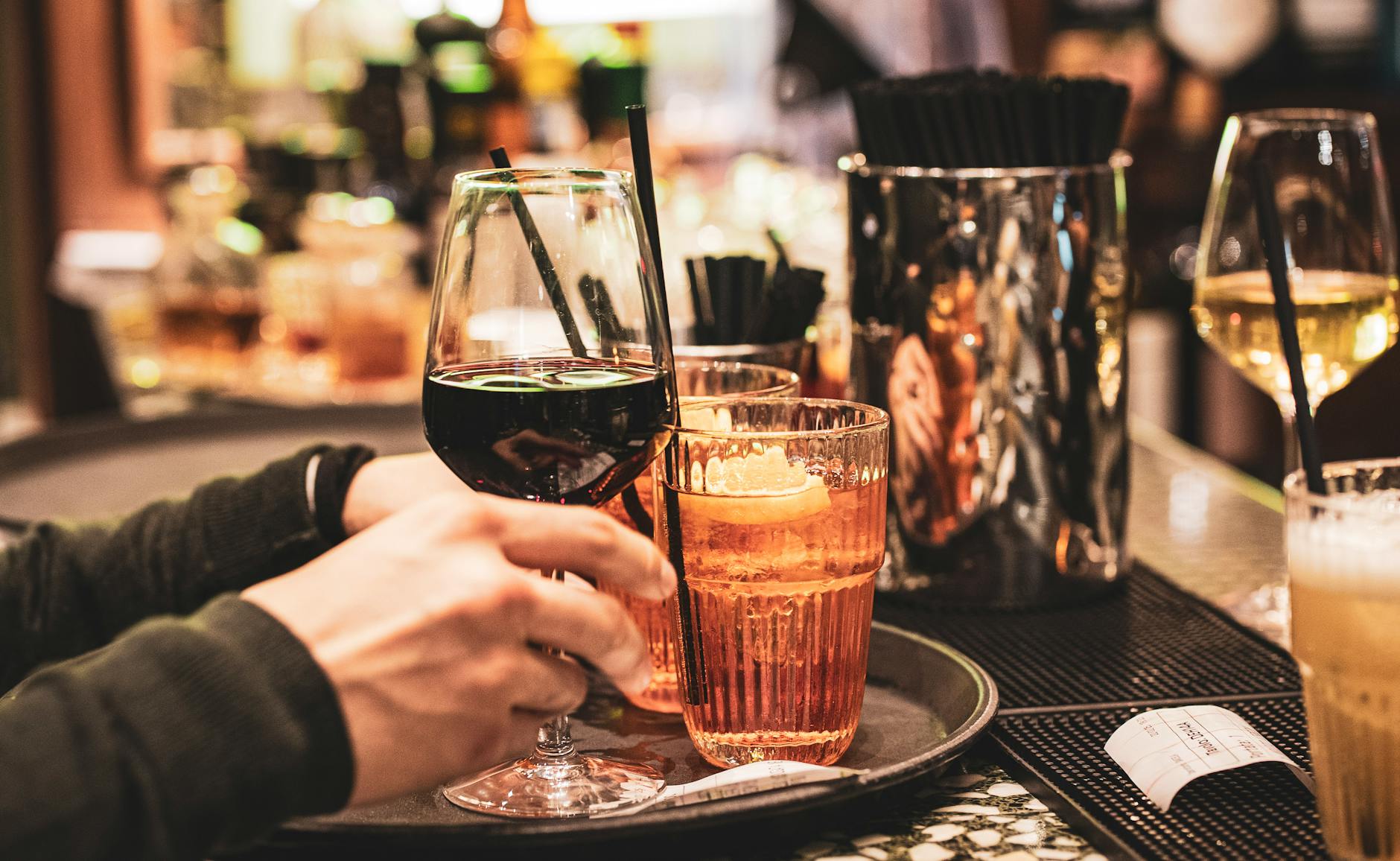
The classic order is a Negroni, an Aperol or Campari spritz, or a glass of Franciacorta, the excellent local sparkling wine. You will find aperitivo everywhere, but it reaches its peak along the Navigli canals, where the bars spill onto the towpaths on warm evenings, and in the elegant courtyards of Brera. Our dedicated Milan aperitivo guide covers the etiquette, the best spots and how apericena differs from a lighter spread, and it is the single most useful page to read before your first evening here.
Milan’s nightlife neighbourhoods at a glance
Where you drink shapes your whole night, because each district pulls a different crowd. Here is the quick version before we go area by area; for the full character of each, our Milan neighbourhoods guide goes deeper on what to see and where to stay in each one.
| Area | Mood | Best for |
|---|---|---|
| Navigli | Buzzy, canal-side, crowded | Aperitivo, bar-hopping, a lively first night |
| Brera | Elegant, romantic, polished | Wine bars, date nights, a refined evening |
| Corso Como / Porta Nuova | Glossy, dressed-up, late | Clubs, cocktails, seeing and being seen |
| Isola | Hip, local, creative | Craft cocktails, younger crowd, live music |
| Porta Venezia | Open, diverse, energetic | LGBTQ+ scene, bars, late nights |
| Colonne di San Lorenzo | Young, casual, outdoor | Cheap drinks, students, warm-weather crowds |
Navigli: the canal-side classic
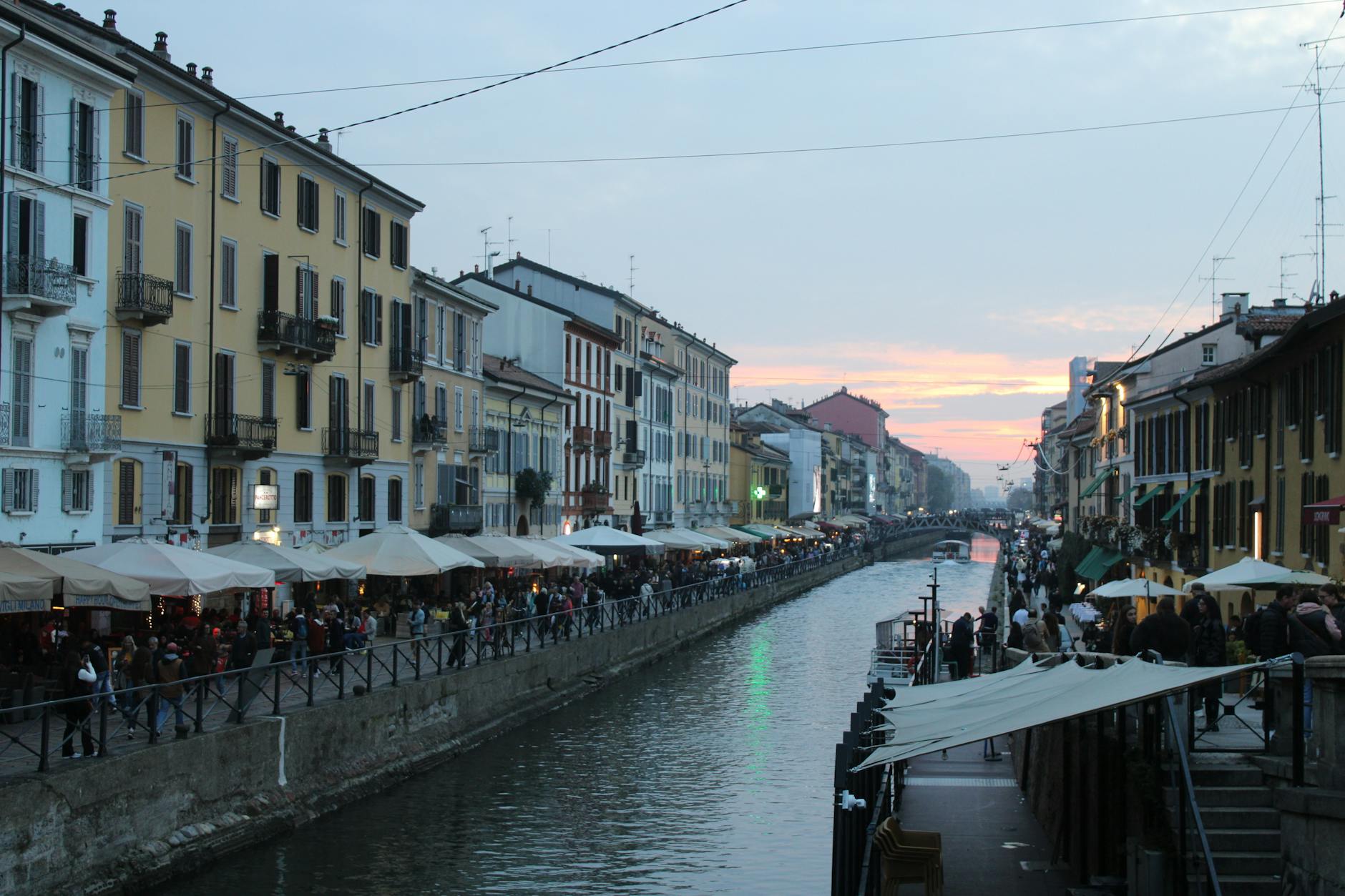
The Navigli is where most visitors have their first Milan night, and for good reason. The two main canals, the Naviglio Grande and the Naviglio Pavese, are lined with bars, and on a warm evening the whole quarter turns into one long, happy crawl along the water. It is at its best for aperitivo, when tables crowd the towpaths and the buffets come out, and it stays lively well past midnight.
It can get very busy and a little touristy at the weekend, but that is part of the fun, and the energy is infectious. Come on a weeknight for a calmer version. The area is also a fine place to eat before or between drinks; browse our best restaurants guide for options nearby. If you want to base yourself in the thick of it, our guide to where to stay in Milan for nightlife weighs up the trade-offs of sleeping where the noise is.
Brera: the elegant evening
For something more grown-up, head to Brera. Milan’s old artists’ quarter has narrow cobbled lanes, ivy-draped façades and a string of wine bars and smart cocktail spots that make it the city’s most romantic place for a drink. The crowd is older and better dressed than on the Navigli, the pace slower, the prices a touch higher.
This is the district for a quiet Barolo, a considered Negroni and conversation rather than dancing. It pairs beautifully with dinner and works perfectly as a date-night area, which is why it features so heavily in our guide to romantic things to do in Milan. Wander the streets after your meal and you will understand why the Milanese are so fond of it.
Corso Como, Isola and Porta Nuova: glossy and modern
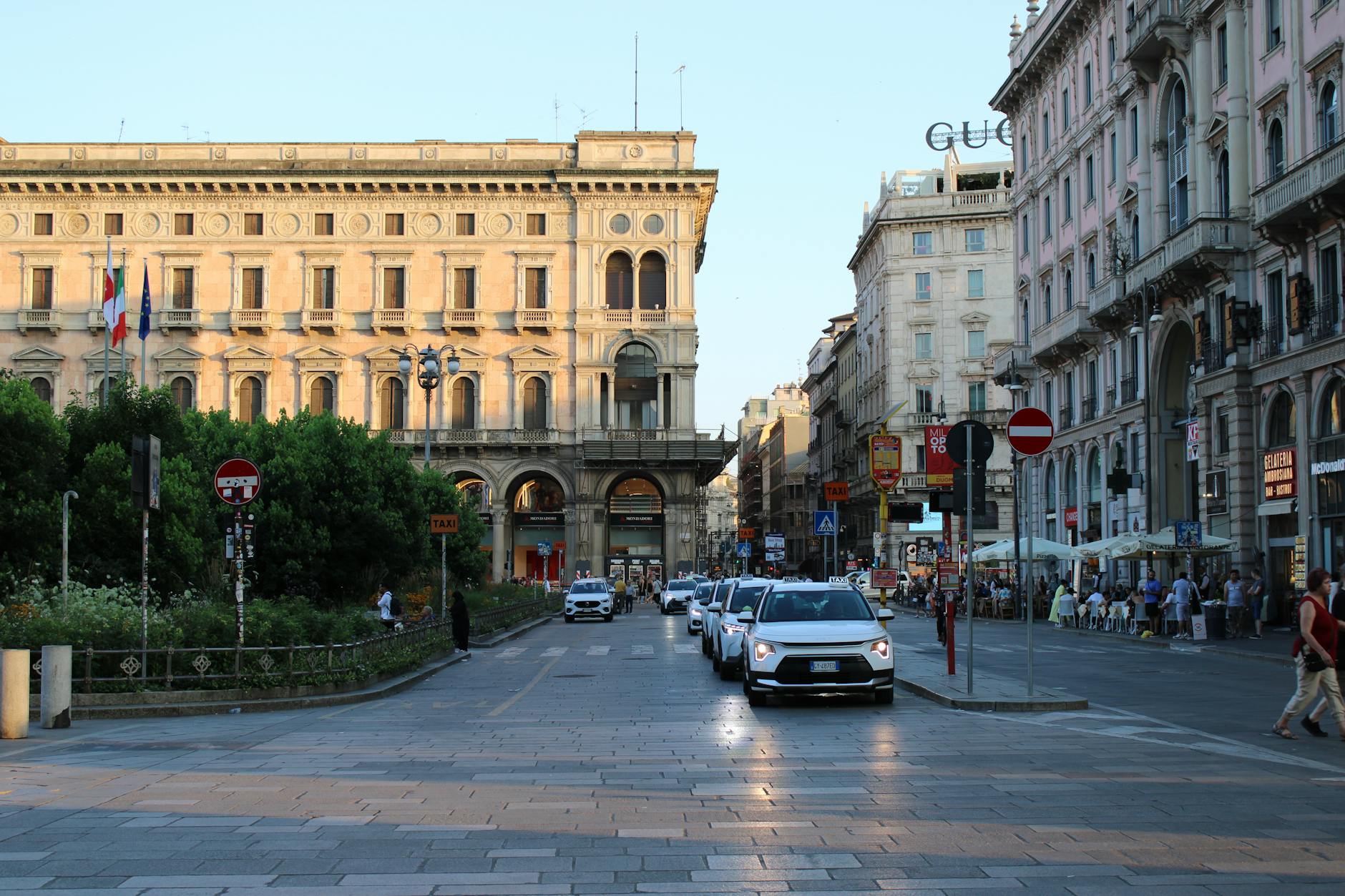
North of the centre, around the skyscrapers of Porta Nuova and the pedestrian strip of Corso Como, is Milan at its most polished and fashion-forward. This is club territory, home to some of the city’s most famous late-night venues and dressy cocktail bars, where the dress code is real and the crowd is glamorous. Expect to queue, to pay more and to stay out very late.
Just across the tracks, Isola offers the cooler, more creative flip side: a formerly working-class district turned hip, with craft-cocktail bars, casual spots and a younger, artier crowd. The two areas sit a short walk apart, so you can start with a relaxed drink in Isola and graduate to a Corso Como club later if the night demands it.
Porta Venezia and the LGBTQ+ scene
Porta Venezia is the heart of Milan’s LGBTQ+ nightlife and one of the most open, energetic districts in the city. The streets around Via Lecco and Via Tadino are dense with bars that range from relaxed early-evening spots to places that stay loud and busy until late, and the welcome is warm whoever you are.
It is also a genuinely diverse, multicultural part of town with excellent and affordable food, which makes it a great place to start an evening before deciding where the night takes you. The vibe is inclusive and unpretentious, a refreshing contrast to the dress-code glamour of Corso Como, and it draws a mixed crowd well beyond the gay scene that anchors it.
Cocktail bars and speakeasies
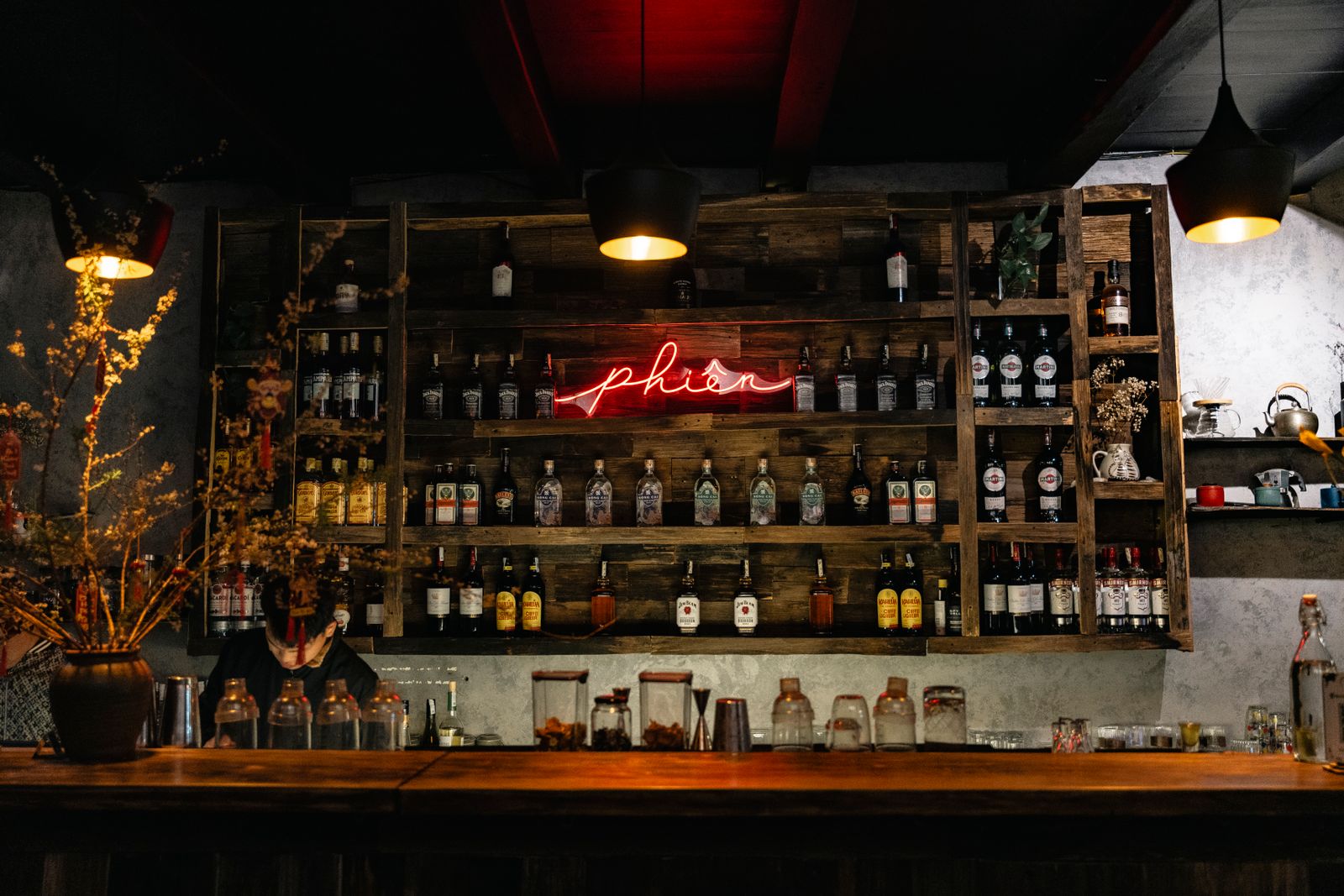
Milan takes its cocktails seriously. The city has a deep bench of bartenders and a thriving scene of hidden, reservation-only speakeasies tucked behind unmarked doors, alongside grand hotel bars that mix a flawless Negroni in marble-and-velvet surroundings. Brera and the centre hold many of the most refined rooms, while Isola and the Navigli lean more experimental and relaxed.
This being the birthplace of the Negroni Sbagliato and a stone’s throw from Campari’s home turf, the classics are taken as a point of pride, but you will also find inventive, design-led drinks lists. Prices climb at the top end, where a cocktail can run €15 to €20, so check before you order. Booking ahead is wise for the speakeasies and hotel bars, which fill quickly at the weekend.
Rooftop bars with a view
For a special start or finish to the night, Milan’s rooftop bars are hard to beat. The skyline has changed dramatically over the past decade, and a clutch of terraces now look out over the Duomo’s spires or the glass towers of Porta Nuova, drink in hand. They are pricier than street-level bars and many ask you to book, especially at sunset, which is the moment everyone wants.
Go at golden hour for the view, accept that you are paying a premium for it, and treat it as the aperitivo leg of your evening before descending to the streets for the rest. The terraces atop the city’s department stores and design hotels are particularly good, and several pair the view with serious cocktails. It is one of the most memorable things to do in Milan after dark, and a regular on our unique experiences guide.
Wine bars and enoteche
If clubs are not your thing, Milan’s wine bars are a quieter pleasure and a window onto northern Italy’s superb cellars. An enoteca will pour you Franciacorta from just down the road, Barolo and Barbaresco from Piedmont, Amarone from the Veneto and crisp whites from the Alpine foothills, usually with a board of cheese and salumi to match.
Brera and the centre have the most atmospheric old enoteche, while Isola and Porta Venezia offer hipper, more natural-wine-leaning rooms. It is a lovely way to spend a whole evening at a gentle pace, and a natural extension of the city’s food culture; our Milan food guide sets the wider table, and a wine-focused night pairs well with the regional bottles you will meet on a trip to the Franciacorta wine region.
Nightclubs and dancing
When Milan wants to dance, it does so with style. The club scene is among Italy’s best, spanning glossy fashion-crowd venues around Corso Como, big electronic and house clubs, and smaller underground spaces that programme serious DJs. Doors open late and the floors do not fill until well after midnight, so plan a long night and a late start.
Two practical notes. First, the better clubs enforce a dress code, so leave the trainers and shorts at the hotel. Second, many run guest lists and table systems, and entry can be expensive, often €20 to €30 with a drink, so it pays to check social media or call ahead. Crowds and venues shift with the seasons, so always confirm a place is open and what is on before you set out.
Live music and jazz
Beyond the bars and clubs, Milan has a rich live-music life. The city’s jazz clubs are an institution, intimate rooms where you can hear excellent musicians over a glass of wine, and they make a wonderful, low-key alternative to a loud night out. There are also venues for live rock, indie and singer-songwriters, and a strong calendar of bigger concerts across the year.
And of course there is opera. A night at La Scala, one of the most famous opera houses in the world, is a very different kind of evening but an unforgettable one; the season runs through the cooler months and tickets range from grand to surprisingly affordable if you do not mind the upper galleries. For the cultural side of an evening, our museums and culture guide has more on the city’s after-hours arts scene.
What a night out costs
Milan is not a cheap city, but a good night need not break the bank if you lean on its own habits. Here is a rough guide; treat these as ballpark figures and check current prices, as they drift upward over time.
| Item | Rough cost |
|---|---|
| Aperitivo (drink + snacks/buffet) | €10–€15 |
| Glass of wine in an enoteca | €6–€12 |
| Cocktail in a quality bar | €12–€20 |
| Rooftop bar drink | €15–€22 |
| Club entry (often with a drink) | €20–€30 |
| Late-night taxi across town | €15–€25 |
The single biggest saving is aperitivo: an apericena buffet can stand in for dinner and drinks at once. The student crowds around the Colonne di San Lorenzo also keep things cheap, with casual bars and people simply sitting out on the steps with a beer. For squeezing the most from a tight budget across your whole trip, our budget Milan guide has the full playbook.
Getting home safely and late-night transport
The Milan metro runs until around half past midnight, which is earlier than the bars, so for the latter part of the night you will rely on other options. A network of night buses covers the main routes into the small hours, and licensed white taxis wait at ranks or can be booked by app; ride-hailing also operates in the city. Note that as of 2026 you tap a contactless card or phone to ride the metro, trams and buses rather than buying paper tickets, which makes a late hop home simple. Our Milan transport guide explains every option and the night services in detail.
Milan is a relatively safe city by night, but the usual big-city sense applies: keep an eye on your phone and wallet in crowded bar areas and on the busiest stretches of the Navigli, where pickpockets work the crowds. Agree a taxi is metered or booked before you get in. Our Milan travel tips guide covers safety, common scams and etiquette so you can relax and enjoy the evening.
Where to stay for a night-focused trip
If nightlife is the point of your trip, sleeping in or near the action saves you a late-night journey, though it costs you some quiet. The Navigli and the centre put you in the middle of things; Brera and Porta Venezia offer a slightly calmer base within easy reach. Our guide to where to stay in Milan for nightlife breaks down the best areas, and for a wider view of the city’s districts and hotels see our main where to stay in Milan guide. First-time visitors balancing sightseeing with going out should also read our where to stay for first-timers guide.
Milan nightlife by season
The character of a Milan night changes through the year. From late spring to early autumn the city lives outdoors: the Navigli towpaths and the Colonne steps fill with people, rooftops are in full swing and aperitivo migrates to terraces and courtyards. In the colder months the scene moves inside to cosy enoteche, hotel bars and clubs, and the opera and concert season hits its stride.
Big events reshape the nights too. During the September and February fashion weeks and the April design fair the city is packed and the parties are legendary but exclusive, while the run-up to Christmas brings a festive buzz. To line up your visit with the mood you want, our best time to visit Milan guide runs through the seasons, crowds and events month by month.
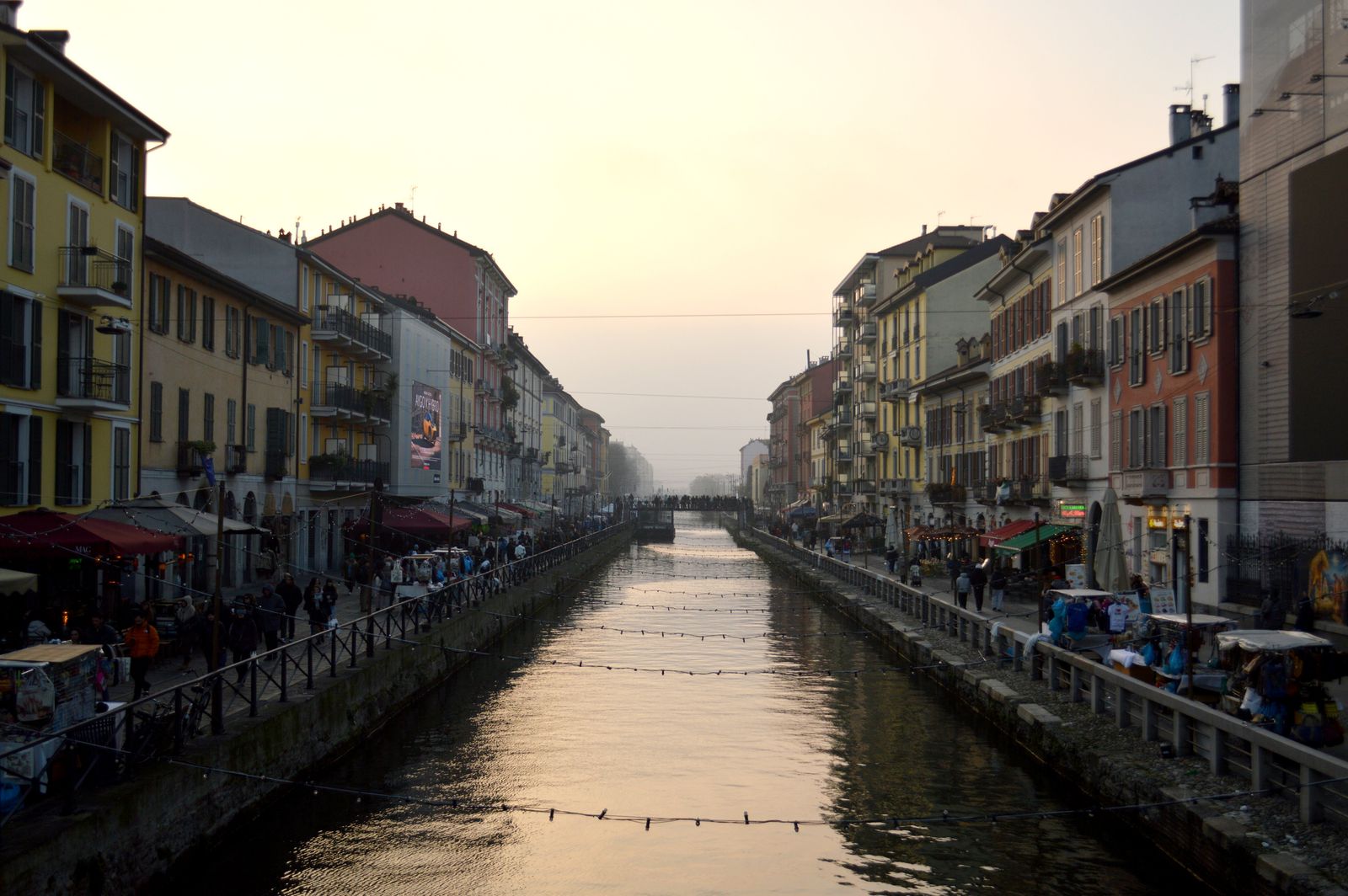
A sample Milan night, hour by hour
To see how the pieces fit, here is how a classic evening might run. At seven you meet for aperitivo on the Navigli, claiming a canal-side table for a spritz and a plate of snacks while the light fades over the water. By half past eight you drift to dinner nearby, taking your time over a Milanese classic and a bottle of something local rather than rushing the meal.
Around half past ten you walk it off toward Brera for a considered cocktail in a quiet, candlelit room, or swing north to Isola if you want a livelier, younger crowd. If the night still has legs, midnight is when the Corso Como clubs begin to fill, so you change gear, accept the door charge and dance until the small hours. When you have had enough, a night bus or a booked taxi carries you home. It is a long arc, but a natural one, and it leaves room for whatever mood the evening turns out to have. For more ways to fill the hours, browse our wider list of things to do in Milan at night and our ideas for couples.
Frequently asked questions
What time does nightlife start in Milan?
It starts early and ends late. Aperitivo gets going around 6pm and is the social heart of the evening, dinner follows from about 8:30 to 11, and bars stay busy until 2am. Clubs only fill up after midnight and run until 4 or 5am, so pace yourself across the night rather than arriving anywhere too early.
What is the best area for nightlife in Milan?
The Navigli canals are the most popular and lively, ideal for aperitivo and bar-hopping. Brera is more elegant and romantic, Corso Como and Porta Nuova are the place for glossy clubs, Isola draws a hip younger crowd, and Porta Venezia anchors the LGBTQ+ scene. Pick the area that matches the night you want.
How much does a night out in Milan cost?
An aperitivo runs about €10 to €15 including snacks, a quality cocktail €12 to €20, and club entry often €20 to €30 with a drink. Lean on aperitivo and an apericena buffet to keep costs down, since it doubles as dinner. Rooftop bars and hotel bars sit at the pricier end, so check before ordering.
Is Milan safe at night?
Yes, Milan is relatively safe after dark, and the main nightlife districts are busy and well used. The main risk is pickpocketing in crowded bar areas like the Navigli, so keep your phone and wallet secure. Stick to licensed white taxis or booked rides late at night, and use ordinary big-city common sense.
Do Milan clubs have a dress code?
The better clubs, especially around Corso Como, do enforce a dress code, so avoid trainers, shorts and overly casual outfits. Bars, enoteche and the Navigli scene are far more relaxed. When in doubt, the Milanese err on the side of smart and stylish, so dressing up a little rarely goes wrong here.
Final thoughts
The secret to Milan after dark is to do it the local way: start early with aperitivo, eat late, and let the night decide its own length. Whether you want a quiet Barolo in a Brera enoteca, a rooftop spritz at sunset or a Corso Como dance floor at 3am, the city delivers, and it does so with the same effortless style it brings to everything else. Plan your evening around an area and a mood, keep an eye on prices and your belongings, and Milan will give you one of the best nights out in Italy.
Milan nightlife guides by venue type
Pick the kind of night you want and go deeper with these guides:


