It’s a Wednesday in late October, 7:45 PM, and the sidewalk outside Bar Basso on Via Plinio is two-deep with people drinking Negroni Sbagliato out of fishbowl glasses. A guy in a navy overcoat is balancing his on a parked Vespa seat. Inside, the white-jacketed bartenders aren’t rushing — they’ve been doing this since 1967 and they will continue doing this whether you’re impressed or not. This is the scene that taught me what the best bars Milan has to offer actually look like: not curated, not trying, just deeply, unapologetically themselves. After six years of drinking my way across this city — first as a confused expat ordering the wrong things, then as someone who finally figured out the rhythm — this is the guide I wish someone had handed me on arrival.
Some of these put the football on and some very much do not — our guide to where to watch football in Milan sorts out which is which.
2026 is, incidentally, the year Milan finally hosts The World’s 50 Best Bars awards (October 7, at the Allianz MiCo), which means the scene is having a moment. Prices have crept up — a properly made cocktail in a serious bar now runs €13-€16, where it was €10-€12 in 2019 — but the depth has also expanded. Listening bars, conceptual cocktail dens, and neighborhood spots that would have been wine-only ten years ago are now doing genuinely creative work. Below: the bars I actually send people to, how the system works, and what to order so you don’t look like you wandered in by accident.
Why Milan’s bar scene punches above its weight
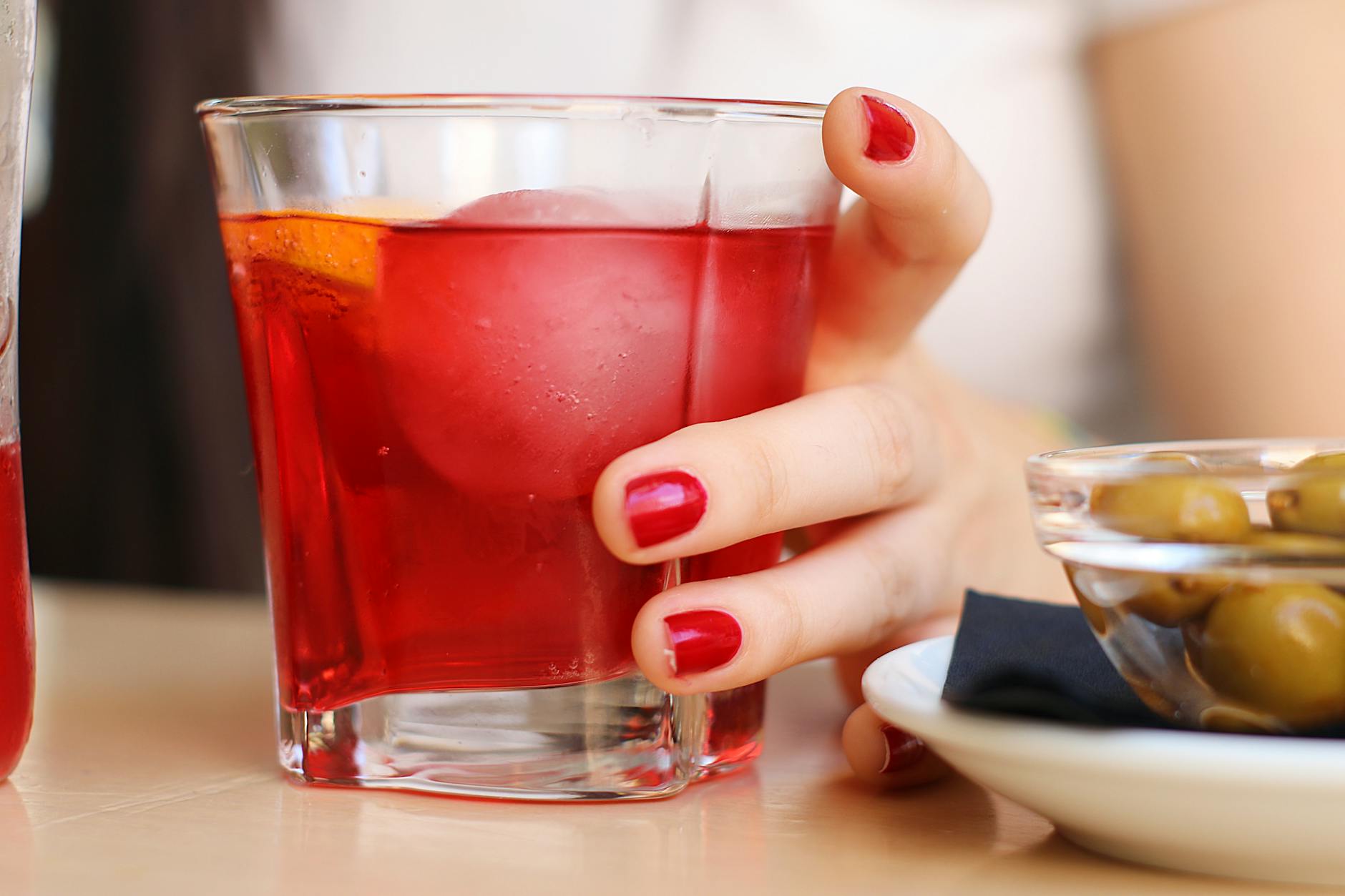
Milan isn’t Rome and it isn’t Paris, and the bar culture reflects that. The city runs on a working rhythm — fashion, finance, design, advertising — which means people drink after work, with purpose, in clothes that cost money. Aperitivo isn’t a trend here; it’s a structural part of the day. Between roughly 6:30 PM and 9 PM, every bar in the city pours sparkling wine, Negronis, Americanos, and Spritz at a steady, civilized pace, usually with a small plate of snacks included in the €10-€12 drink price. This isn’t happy hour. There’s no discount. The food is the discount.
What’s shifted in the last five years is the upper end. Milan now has three bars in the global top 50 (Bar Basso, Nottingham Forest, and 1930 Speakeasy have all rotated in and out), and a clutch of newer venues — Moebius, Rita, Drogheria Milanese — pushing what cocktail bartending here can do. At the same time, the institutions haven’t budged. Camparino has been pouring at the corner of the Galleria since 1915. That tension between the granite-old and the genuinely new is what makes drinking here interesting. For broader context on how bars fit into the after-dark landscape, our Milan nightlife guide walks through the full evening arc from aperitivo to last metro.
How drinking out works in Milan — prices, timing, the bar vs. table split
A few things tourists consistently get wrong, so let’s clear them. First, the bar vs. table distinction is real and it costs you money. Order an espresso standing at the counter (al banco) at a normal café and you’ll pay €1.20-€1.50. Sit down at the same place and the same coffee can be €3-€5. For cocktails this gap narrows — a Negroni is €10-€12 at the bar and €12-€15 at a table in most places — but it exists. At serious cocktail bars you’ll always be seated, and the price is the price.
Second, aperitivo timing. The window is 6:30 to 9:00 PM, peaking around 7:30. Arrive at 6:00 and you can usually still get a table. Arrive at 8:00 on a Friday in Navigli and you’re standing in the canal-side scrum with everyone else, which is its own pleasure. Third, the mancia (tip): not expected, not required, not insulting if you round up. Leaving €15 on a €13 bill is generous; leaving €25 on a €20 bill makes you look confused. There’s no 18% standard. Fourth, the scontrino (receipt): always take it. Tax inspectors do random sweeps and technically you can be fined for walking off without it, though in practice no one will chase you down the street. Fifth, cash vs. card: every bar takes Visa and Mastercard now. Amex is hit-or-miss at smaller spots. Apple Pay works almost everywhere.
The bars I send everyone to
Spread across six neighborhoods, ranked by neither preference nor authority — just the order in which I’d take a visitor through them over a long weekend. Each one earns its spot for a different reason.
Bar Basso (Porta Venezia / Loreto — Via Plinio 39, M1 Lima, 5-minute walk). The bar I send first-timers to without exception. Open since 1947, the home of the Negroni Sbagliato (Prosecco swapped for gin, by genuine accident in 1972), and a pilgrimage site during Salone del Mobile when the design world packs in shoulder to shoulder. An Americano or Sbagliato is €10, served in the famous oversized goblet with a tray of cocktail snacks. Closed Tuesdays. Open until 1:15 AM. Don’t expect mixology — expect the source code. The white-jacketed staff have been there longer than most marriages and the room hasn’t been redecorated in decades. That’s the point.
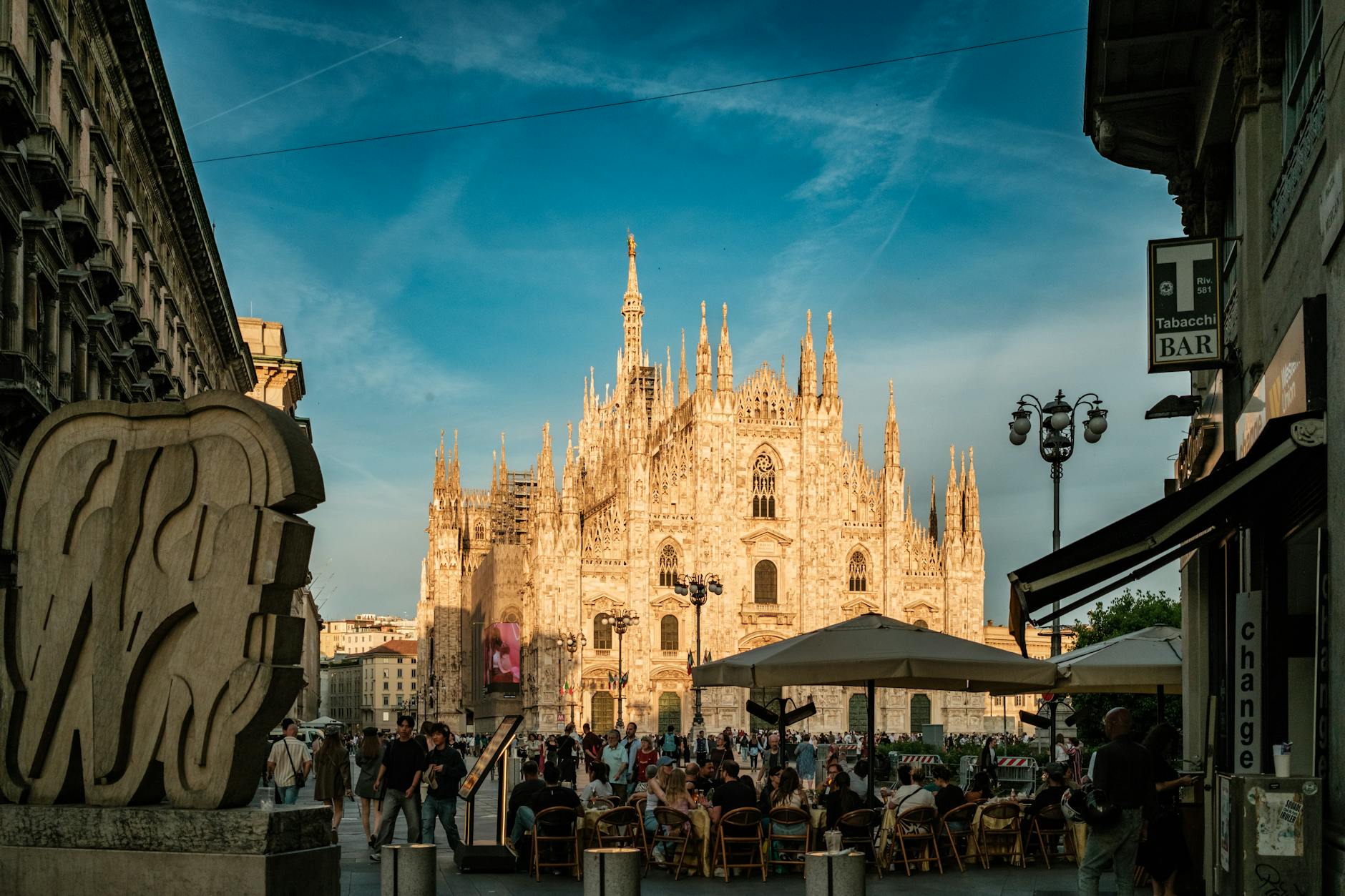
Camparino in Galleria (Duomo — Piazza del Duomo 21, M1/M3 Duomo). The 1915 grandfather of all Milan aperitivo bars, restored to absurd elegance in 2019 and now technically two bars: the ground-floor counter (where you stand with a Campari Spritz for €9 and watch the Galleria), and the upstairs Sala Spiritello, a seated cocktail room where things get more elaborate at €16-€18 a drink. Closed Mondays. The Negroni made with their house Camparino vermouth blend is the move. Touristy? Absolutely. Worth it once? Yes — there is no replacement for drinking a Campari at the literal corner where Campari was invented.
Nottingham Forest (Porta Venezia — Viale Piave 1, M1 Palestro, 6-minute walk). Dario Comini took over from his father in the early 2000s and turned what was a neighborhood bar into one of the most awarded cocktail spots in Italy — molecular techniques, smoking guns, drinks that arrive looking like art-school projects. The room is tiny (maybe 20 seats), the menu changes constantly, and cocktails run €14-€18. No reservations, no exceptions, which means you arrive at 6:45 PM on a weekday or you wait outside. Closed Sundays and Mondays. The “Mediterranean” with caper-infused gin is the kind of drink that makes people text photos.
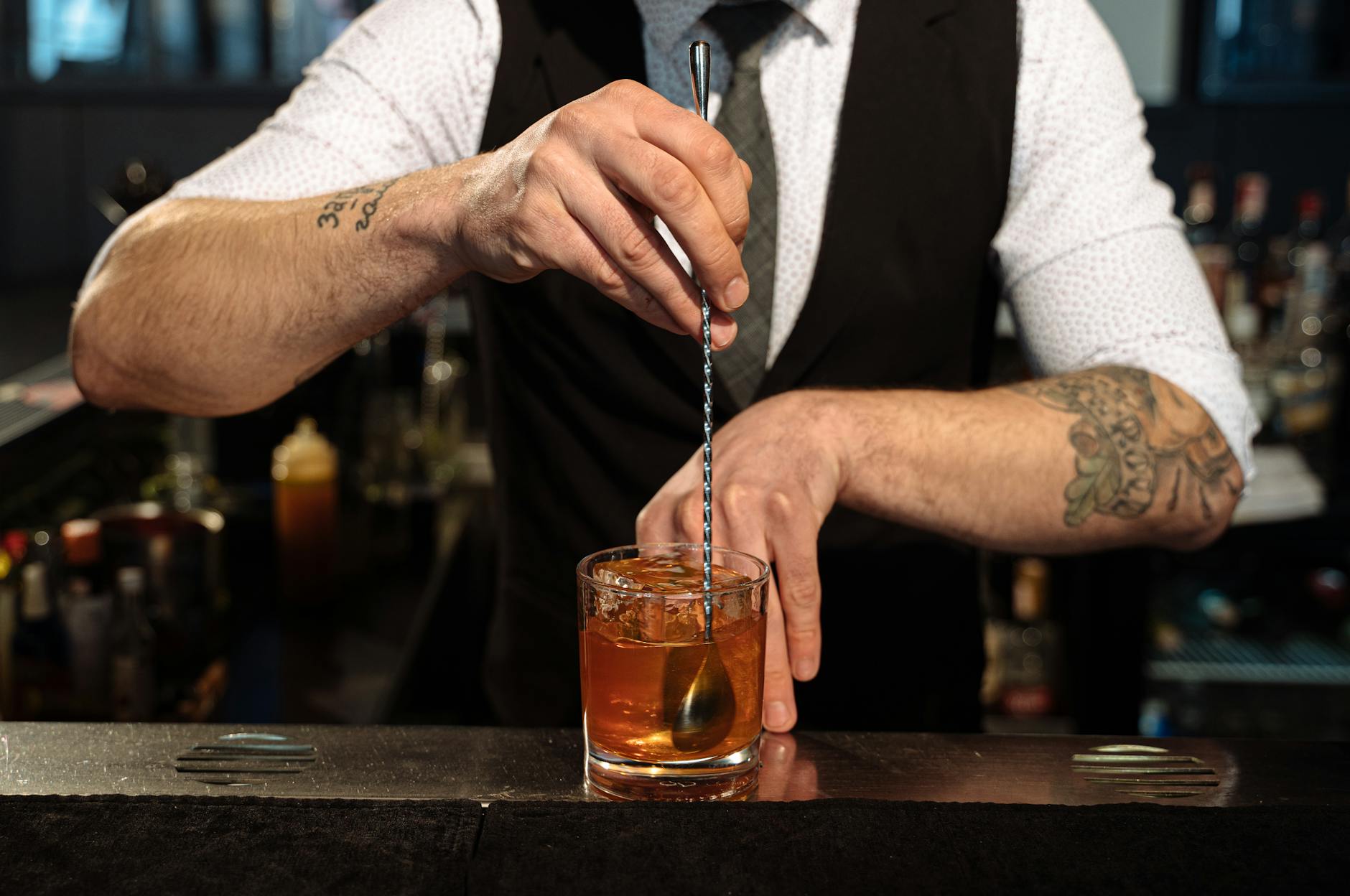
Backdoor 43 (Navigli — Ripa di Porta Ticinese 43, tram 3 or M2 Porta Genova). The smallest bar in Milan and possibly Europe: 43 square feet, four people max, by reservation only via their website (a one-hour slot, €30 per person all-in including drinks). It’s a gimmick, but a properly executed one — the bartender shakes inches from your face and the drinks are seriously good. Reserve two weeks ahead in season. If you can’t get in, just buy a drink through their street window and stand on the canal — that’s actually how most people experience it.
Mag Café (Navigli — Ripa di Porta Ticinese 43, same stretch as Backdoor). Dark wood, leather-bound menus, slow-poured cocktails — the Navigli bar to anchor your night around. Cocktails €11-€14, opens at 8 AM for coffee and closes at 2 AM. The Smoked Old Fashioned and the in-house barrel-aged Negroni are both excellent. It gets packed by 9 PM on weekends and the wait for a table can hit 45 minutes; go on a Tuesday or Wednesday and you’ll feel like you’ve discovered something. Closed Mondays. This is the bar most locals I know would name first if you cornered them.
Rita & Cocktails (Navigli — Via Angelo Fumagalli 1, M2 Porta Genova). Older than the current Navigli cocktail wave by a decade — opened in 2002 — and still one of the city’s most respected programs. Mid-century furniture, no music too loud to talk over, and a cocktail list that rotates seasonally. €12-€14 a drink. Closed Mondays. The “Rita’s Negroni” with mezcal is the signature. This is where you go when you want a serious drink without performance.
1930 Speakeasy (Porta Romana — undisclosed address, reservation only via Instagram DM or their site). The most genuinely hidden of the city’s speakeasies, capped at maybe 25 guests per night, with a password that changes weekly. The address is sent to you the day of. Once inside: a single room, eight-seat bar, cocktails built around obscure spirits at €18-€22 each. Closed Sundays. Touristy? Less than you’d think — the booking friction filters out the casuals. If you want an evening you’ll remember a year later, book three weeks ahead.
Dry Milano (Brera — Via Solferino 33, M2 Moscova). The cocktail bar that doubles as a Neapolitan pizzeria, opened by Andrea Berton and the team that proved you could plate a serious gin & tonic next to a margherita without either feeling cheap. Pizzas €9-€13, cocktails €12-€15, and the crowd is a perfect Brera mix of art-gallery types and finance kids who just got off work. Open daily, kitchen until midnight. Order the smoked Negroni and the Marinara and you will understand Milan in two courses. For more on the neighborhood arc here, the Brera Milan guide covers what to see before you sit down.
Octavius Bar (Brera — inside the Mandarin Oriental on Via Andegari 9, M3 Montenapoleone). Polished marble, leather bar stools, and a bartender team trained at the World’s 50 Best level. Cocktails €18-€22, the kind of place to wear a real shirt to. Open daily until 1 AM. The clarified milk punch is the drink to ask for. This is hotel-bar drinking done correctly — no piano version of “Stand By Me,” no faux-leather menu the size of a steering wheel.
Drogheria Milanese (Porta Romana — Via Conca del Naviglio 7, tram 3 or M2 Sant’Agostino). A neighborhood favorite that grew up — started as a casual spot, now does some of the most precise classic cocktails in the city. €12-€14 a drink, food menu of small plates worth ordering. The room is warm and noisy in the best way. Closed Sundays. The Sazerac is the order, which is not a thing you usually say in Italy. If you’ve spent your Milan trip in the centro and want to see where actual residents drink on a Thursday night, this is the answer.
N’Ombra de Vin (Brera — Via San Marco 2, M2 Lanza). Not a cocktail bar — a 16th-century former refectory turned wine cellar with 2,000+ labels and a counter where you can drink anything by the glass for €5-€12. Closed Sundays. Order the Franciacorta and a plate of culatello and you’ve covered Italian aperitivo at its most serious. For full wine-bar focus, see our Milan wine bars roundup.
Best bars in Milan by neighborhood, at a glance
If you’re trying to plan a night by geography rather than name, here’s the quick map of where the top bars in Milan cluster and what to expect.
- Brera — Polished, expensive, art-and-fashion crowd. Dry Milano, Octavius, N’Ombra de Vin. Cocktails €13-€20. Good for a date or a first night.
- Navigli — Canal-side, loud, younger, and most fun on a Friday. Mag Café, Rita, Backdoor 43. Cocktails €10-€14. The Navigli Milan guide covers the full canal stretch.
- Isola — Post-industrial, design-forward, the neighborhood that gentrified hardest in the 2010s and now has serious cocktail programs hidden between bookshops. Frida, Blue Note (jazz + drinks), Ceresio 7 (rooftop). The Isola Milan guide has more.
- Porta Venezia — The most LGBTQ-friendly stretch in the city, plus institutions like Bar Basso and Nottingham Forest within five tram stops. The LGBTQ nightlife in Milan guide covers this corridor in detail.
- Porta Romana — Locals’ Milan. Drogheria Milanese, 1930, Ugo. Less polished, more residential, cheaper by a euro or two per drink.
- Quadrilatero / Duomo — Touristy but Camparino justifies a stop. Otherwise expect €15+ Negronis at hotel bars and not much character.
If you’re chasing views over the drinks themselves, the rooftop bars in Milan guide picks apart the eight terraces worth your money and the four that aren’t.
Aperitivo vs. proper cocktails — what to order when
These are two different modes and conflating them will get you a disappointing evening. Aperitivo is the pre-dinner drink: low-ABV, bitter, designed to wake up your appetite. Order a Negroni, Americano, Spritz (Aperol or Campari), Hugo (elderflower, prosecco, mint — surprisingly common here now), Milano-Torino (Campari and sweet vermouth, no soda), or a glass of Franciacorta. Expect a small plate of olives, chips, and maybe focaccia or a mini-panino included. Price: €9-€12. Setting: stand-up bars, neighborhood spots, café terraces.
A proper cocktail, on the other hand, is what you order after dinner at Nottingham Forest or 1930 — a stirred Old Fashioned variation, something clarified, something built around a single obscure amaro. Price: €13-€20. Setting: seated, dim, no kids. The crime is ordering an Aperol Spritz at Nottingham Forest (they’ll make it; they will judge you silently) or ordering a smoked clarified mezcal Manhattan at the corner café next to your hotel (they don’t have mezcal; the bartender is 19 and just wants to go home). Read the room.
One genuinely useful order anywhere: “un Negroni, per favore”. It’s a reliable benchmark — if a bar can’t make a balanced Negroni, leave. For a deeper menu walkthrough, the Milan cocktail bars guide breaks down what’s actually creative right now versus what’s just expensive. For the aperitivo ritual itself, our Milan aperitivo guide covers the food side in depth. For the cheapest end of the ritual, our happy hour and aperitivo deals roundup lists the bars where the buffet still justifies the drink.
Practical tips: cash, clothes, smoking, timing
Payment: Cards everywhere. Carry €30-€50 cash for tipping, the occasional cash-only spot (rare but exists in Porta Romana), and the bathroom attendant at clubs (€1 coin). Dress: Milan dresses up. Even casual bars skew toward dark jeans, decent shoes, a buttoned shirt or a clean knit. You don’t need a jacket for most places, but you do for Octavius, Camparino’s upstairs room, and most hotel bars. Sneakers are fine if they’re not running shoes. Shorts read as foreign almost anywhere after sundown except in August.
Smoking: Banned indoors since 2005, normal outside. Almost every bar has an outdoor section that doubles as the smokers’ area, and the city banned smoking at outdoor tables in some districts in 2025 — enforcement is patchy. Timing: Aperitivo 6:30-9 PM, dinner 8:30-10:30 PM, post-dinner drinks 10:30-1 AM, clubs after 1 AM. Cocktail bars close at 1-2 AM on weekdays, 2-3 AM on weekends. The metro stops at 12:30 AM (1:30 AM Saturdays), so plan a taxi or a tram. Uber works but Free Now is cheaper.
Reservations: Required at Backdoor 43, 1930, and any rooftop with a view. Recommended at Nottingham Forest (or arrive at opening). Not needed at Bar Basso, Mag Café, Camparino’s ground floor, or any of the Navigli stand-up spots. Water: Always order it. “Una bottiglia d’acqua naturale” for still, “frizzante” for sparkling. €3-€4. The bartender will respect you slightly more.
When to go — seasonal and weekly rhythms
The Milan bar calendar has clear peaks. April is Salone del Mobile (design week), when Bar Basso becomes literally impassable and every bar in Brera triples its waitlist — book everything two weeks out, or just accept that you’ll drink in the street. September is Fashion Week, similar effect but concentrated in the Quadrilatero. December is full of corporate Christmas dinners, which means bars are packed 7-10 PM and dead by 11. August is the inverse: half the city is at the beach, many smaller bars close for two weeks (look for “chiuso per ferie” signs), and the ones that stay open are eerily quiet.
By day of the week: Monday is the slowest night and many of the best bars are closed (Mag, Rita, Nottingham Forest). Tuesday is the bartender’s-night-out day; ironically you’ll see industry people drinking at Camparino. Wednesday-Thursday is the sweet spot — busy enough for atmosphere, not so packed you can’t sit. Friday in Navigli is the most Milan-feeling night of the week: the canals are wall-to-wall, every café is spilling into the street, and the energy is unmatched. Saturday is more clubby — many serious drinkers actually skip it. Sunday is wine-bar and brunch-bar territory. For weekend club planning, the Milan nightclubs guide takes over where this one ends; for live music nights, see live music in Milan.
FAQ
What’s the cheapest neighborhood for bars in Milan?
Porta Romana and the southern stretch of Navigli (past Darsena) are the most reasonable — expect €8-€10 cocktails versus €13-€16 in Brera and €15-€20 in hotel bars near the Duomo. Isola is in the middle. Drinks in the Quadrilatero are uniformly expensive because you’re paying for the postcode.
Do I tip at bars in Milan?
No, not in the American sense. Round up the bill — leave €15 on a €13 tab, or drop a euro coin on the bar after a counter drink. At high-end cocktail bars with table service, leaving 5-10% for exceptional service is appreciated but absolutely not expected. Service is not added automatically, but a small coperto (cover charge, €2-€3 per person) sometimes appears at bars that serve food.
Do I need reservations for Milan’s best bars?
For Backdoor 43 and 1930 Speakeasy, yes — they’re booking-only. For Nottingham Forest, no, but expect to wait or arrive at 6:45 PM when they open. For everywhere else on the list above, walk-in is normal Sunday through Thursday. Friday and Saturday after 9 PM, expect a wait at Mag Café and Dry. Most bars don’t accept reservations at all and operate purely first-come.
What time do bars in Milan close?
Most cocktail bars: 1:00-2:00 AM weekdays, 2:00-3:00 AM weekends. Wine bars typically wrap by midnight. Aperitivo-focused café-bars often close by 11 PM. Clubs run until 4-5 AM. Last metro is 12:30 AM (1:30 AM on Saturdays). After that it’s night buses, trams, or a €15-€25 taxi to most parts of the city.
Are bars open on Sundays in Milan?
Most are, but with reduced hours, and many of the best cocktail bars close Sunday-Monday (Nottingham Forest, 1930, Drogheria, N’Ombra de Vin). For Sunday drinking, head to Navigli — Mag Café and the canal-side spots stay open — or to Brera, where Dry Milano runs seven days. Camparino is also open Sundays, which makes it a useful default.
Can I just order one drink and stay a while?
Yes, absolutely, and no one will rush you. The Italian bar culture is built around lingering — a single Negroni can comfortably occupy 45 minutes to an hour. The exception is busy Friday/Saturday nights at small bars (Backdoor 43, 1930) where the table is technically yours for a set window. Otherwise, order, sip, talk, order another if you feel like it. There’s no two-drink minimum anywhere.
What if I don’t drink alcohol?
Italian bars handle this gracefully. Order an Aperol Spritz analcolico, a Crodino (the bitter aperitif soda everyone’s grandfather drinks, €4-€5), a Sanbittèr, or a mocktail — most cocktail bars now have 3-4 non-alcoholic options at €8-€10. No one will look at you sideways.
Final thoughts
The pattern I keep coming back to with Milan’s bars: the city rewards people who treat drinking as a social practice rather than a checklist. The best night here isn’t ticking off the top 50 list — it’s anchoring yourself in one good neighborhood (pick Navigli on a Thursday or Brera on a Wednesday), staying for two or three drinks, talking to the bartender, ordering something you can’t pronounce, and walking 12 minutes to the next spot rather than taking a taxi. The bars do the rest. The reason Milan keeps showing up in global rankings isn’t the molecular gastronomy or the marble or the World’s 50 Best ceremony coming in October — it’s that the city has a 70-year-old aperitivo ritual that gives every drink, even an €8 spritz at a tram-stop café, a sense of occasion.
If you’re going to remember one rule from this guide: go to Bar Basso first, even if you only have 48 hours, even if it’s a 20-minute tram out of the centro. Order an Americano, drink it slowly, watch the room, and you’ll understand the rest of the city’s bars in context. Then go anywhere on this list and you’ll get it. For broader after-dark planning, the things to do in Milan at night guide picks up where the last drink ends — late-night food, live music, a 1 AM walk along the canals — and the Milan neighborhoods guide gives you the geography to plan around. Want a serious cultural anchor before drinks? Pair an early-evening show with cocktails after by booking Milan opera tickets at La Scala — curtain at 8, drinks by 11, the most Milanese sequence imaginable.
Salute.