Coffee in Milan is less a drink than a punctuation mark, a quick upright pause that breaks up the day. Order it right and you slip into the rhythm of the city; order it wrong and you mark yourself as a tourist before the cup hits the saucer. After a lot of mornings spent at Milanese bars, I have opinions on both how to order and where to go.
This Milan coffee guide covers the unwritten rules and the best places to drink. Order espresso standing at the bar for around €1.20, never ask for a cappuccino after lunch, and try the local marocchino. For atmosphere, head to historic cafés like Camparino in the Galleria; for specialty beans, seek out third-wave bars such as Orsonero.
This is part of our broader Milan food guide“>guide to eating and drinking in Milan. Coffee here works differently from the takeaway culture many visitors are used to, so I will start with the etiquette, which genuinely matters, then point you to the places worth your caffeine.
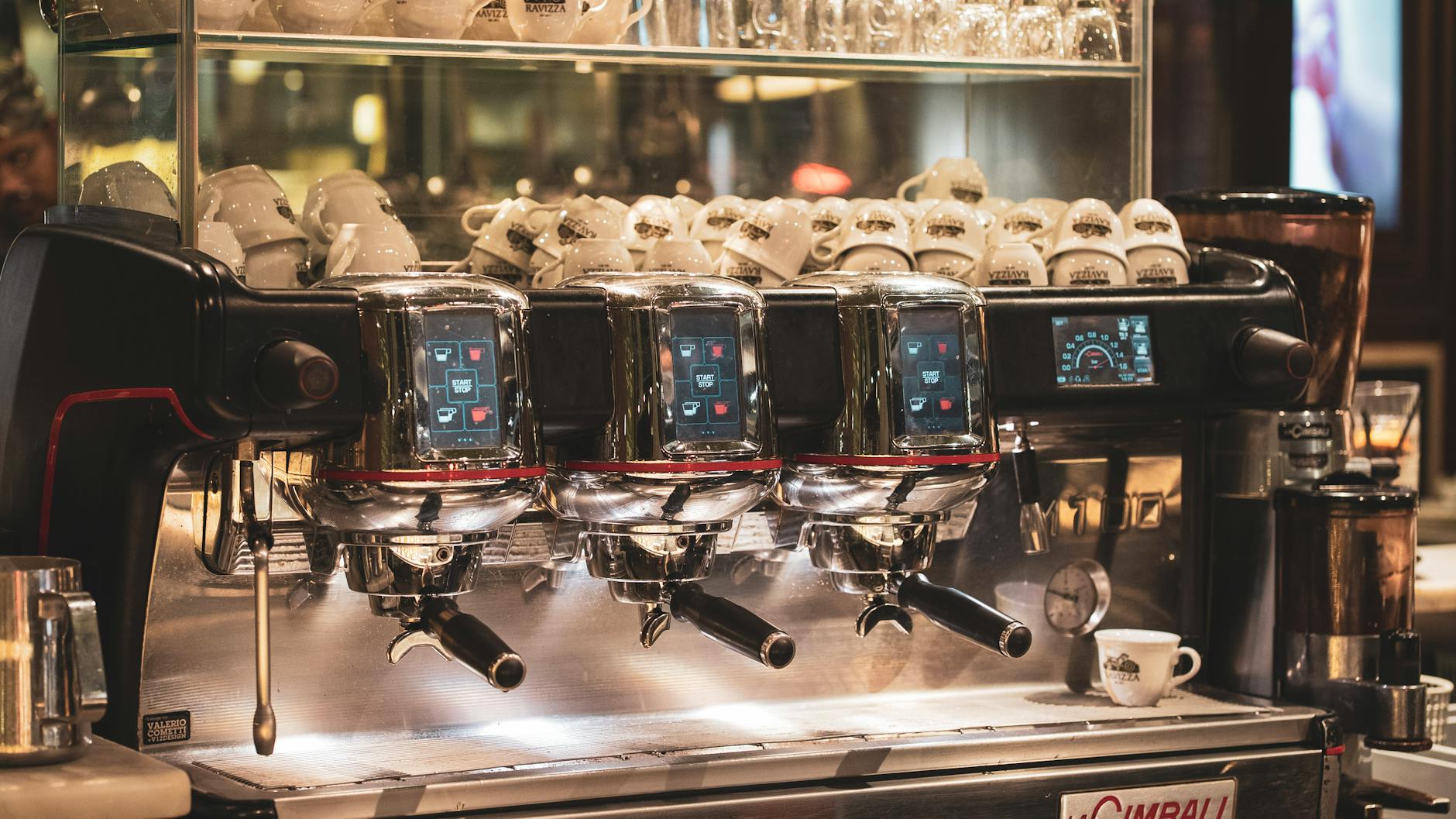
How to order coffee like a Milanese
The single most useful thing to understand is that an Italian bar is built around speed and standing. You typically pay at the till first, take your receipt to the counter, and drink your espresso al banco, standing up, in a couple of minutes. There is no queue for oat-milk customisations and no name scrawled on a cup. Embrace it.
A few rules will carry you a long way:
- “Un caffè” means an espresso. If you want a regular black coffee, that is what you order; there is no filter drip on offer at a normal bar.
- Cappuccino is a morning-only drink. Milanese drink milky coffee at breakfast and consider it odd after a meal, since all that milk is thought to sit heavily on a full stomach. Order one at 4pm and nobody will stop you, but you will be quietly pegged as a visitor.
- “Latte” gets you a glass of milk. The drink you mean is a caffè latte or a latte macchiato.
- Standing is cheaper than sitting. Prices at the bar are fixed and low; sit at a table, especially on a famous piazza, and you pay a service premium that can triple the bill.
- Drink it fast and move on. Coffee is a pit stop, not a lingering ritual, except in the grand cafés where lingering is the point.
The coffee menu, decoded
Here is what you will actually see on the board, and what each one delivers.
| Order | What you get |
|---|---|
| Caffè | A single shot of espresso |
| Caffè macchiato | Espresso “stained” with a dash of foamed milk |
| Cappuccino | Espresso with steamed and foamed milk (mornings) |
| Caffè latte | Espresso with lots of hot milk, little foam |
| Marocchino | Espresso, cocoa and milk foam in a small glass |
| Caffè corretto | Espresso “corrected” with a splash of grappa or sambuca |
| Caffè shakerato | Espresso shaken with ice, a summer favourite |
| Caffè d’orzo | Caffeine-free roasted barley “coffee” |
| Deca | Decaffeinated |
My personal tip is the marocchino, a northern Italian little glass of espresso, cocoa, and milk foam that drinks like a tiny grown-up treat. It is one of the region’s loveliest coffee inventions and a fine alternative if you fancy something milky but it is past cappuccino o’clock. In summer, switch to a shakerato, which is properly refreshing.
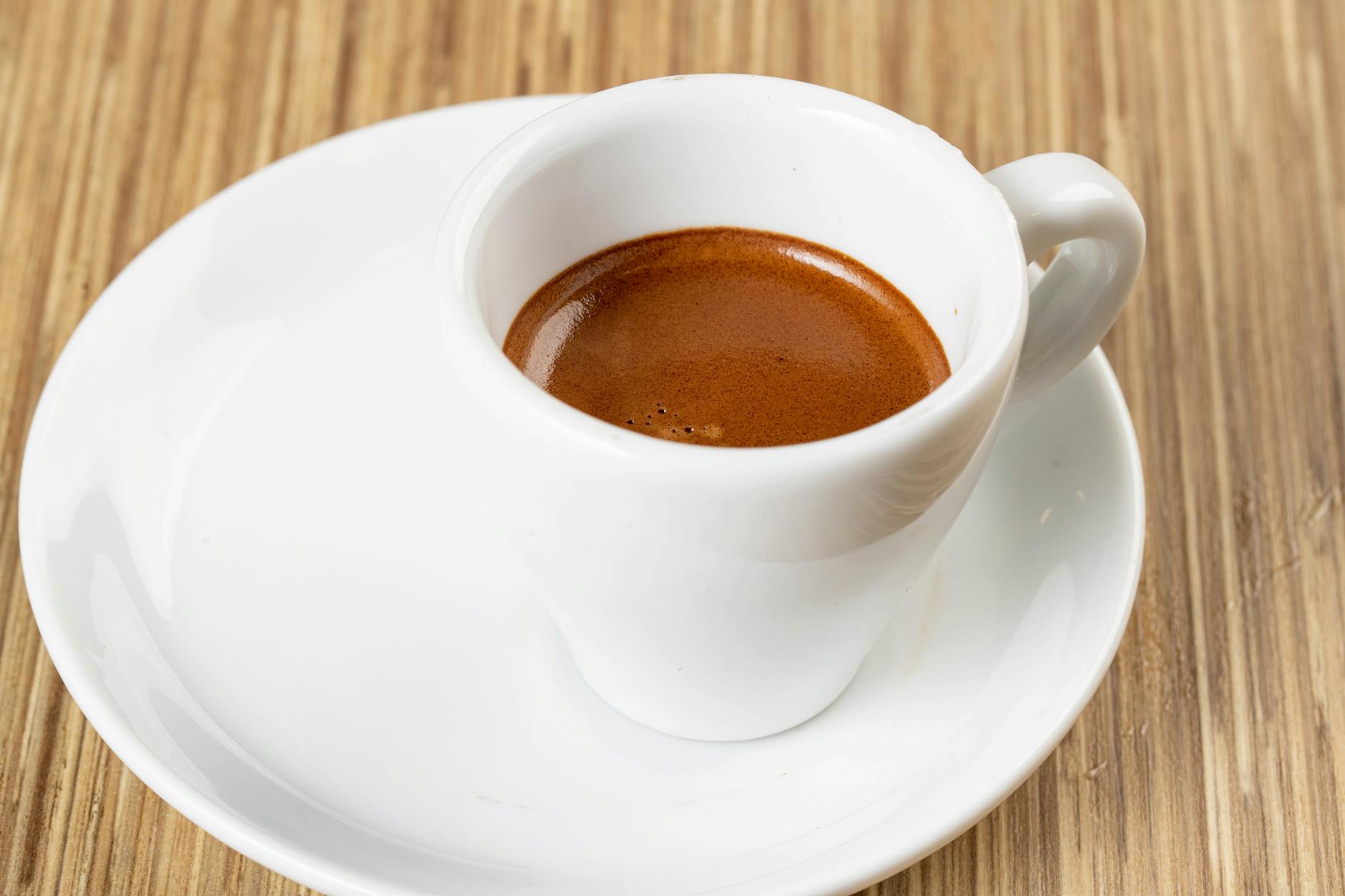
Historic grand cafés
For the other side of Milanese coffee, the slow and beautiful one, the city has a roll-call of historic caffè and pasticcerie where you sit, you linger, and you happily pay for the privilege. These double as some of the loveliest rooms in the city.
Camparino in Galleria
On the corner of the Galleria Vittorio Emanuele II“>Galleria Vittorio Emanuele II, Camparino is the historic bar where the Campari aperitivo was born, all mosaic, mirrors, and wrought iron. It is touristy and not cheap, but the setting is sublime and an espresso at the upstairs counter is a proper Milan moment. Come back in the evening for an aperitivo, which is its real calling, and which our aperitivo guide“>aperitivo guide covers in full.
Pasticceria Marchesi and Caffè Cova
In the Quadrilatero della Moda“>fashion quarter around Via Montenapoleone, two old-world pasticcerie reign. Cova, founded in 1817, is the grande dame, serving impeccable pastries and coffee to the well-dressed; it is now owned by a luxury group but keeps its elegance. Pasticceria Marchesi, with a jewel-box branch on Via Santa Maria alla Porta and another above the Prada store, is pure pistachio-green Milanese glamour. Both are dressy and pricey, and both are worth it once.
Pasticceria Cucchi and Sant Ambroeus
For something a touch more local, Pasticceria Cucchi on Corso Genova is a beloved family-run spot where Milanese families take their Sunday pastries, and Sant Ambroeus near San Babila is a refined classic. Any of these make a fine stop while exploring the central sights“>central sights, and they shine for an indulgent weekend breakfast“>weekend breakfast of coffee and a flaky brioche.
Specialty and third-wave coffee
For a long time Milan resisted the global wave of light-roast, single-origin specialty coffee, sticking proudly to its dark espresso. That has changed, and there is now a small but excellent scene for visitors who miss a proper flat white or a pour-over.
Orsonero Coffee, near Porta Venezia, is the pioneer and still the benchmark, a tiny Australian-influenced bar pulling beautiful espresso and serving the flat whites and filter coffee you will not find at a traditional bar. Loste Café in the Isola district“>Isola district blends Nordic baking with specialty coffee and makes some of the best pastries in the city, a cardamom bun worth crossing town for. Other names to know include Cofficina, Nowhere Coffee, and the design-forward bars dotted around Brera“>Brera. For a coffee with a side of spectacle, Bar Luce inside the Fondazione Prada, designed by film director Wes Anderson, is a pastel-perfect time capsule near the museum district“>city’s museums.
Prices and etiquette
Coffee is one of the great bargains of Milan if you drink it like a local. An espresso standing at the bar costs around €1.10 to €1.50 across most of the city, a cappuccino around €1.50 to €2. Those prices are quietly regulated by habit and competition, so a bar charging far more is usually banking on tourists.
The catch is table service. Sit down, particularly on a marquee piazza or terrace, and you pay a servizio premium plus sometimes a cover charge, which can turn a €1.20 espresso into €4 or €5. That is not a scam, it is the system, and the rule is simple: stand for speed and value, sit when the room and the view are worth paying for. Tipping is not expected; leaving a few small coins is a generous maximum. For more of these everyday practicalities, see our Milan travel tips“>Milan travel tips.
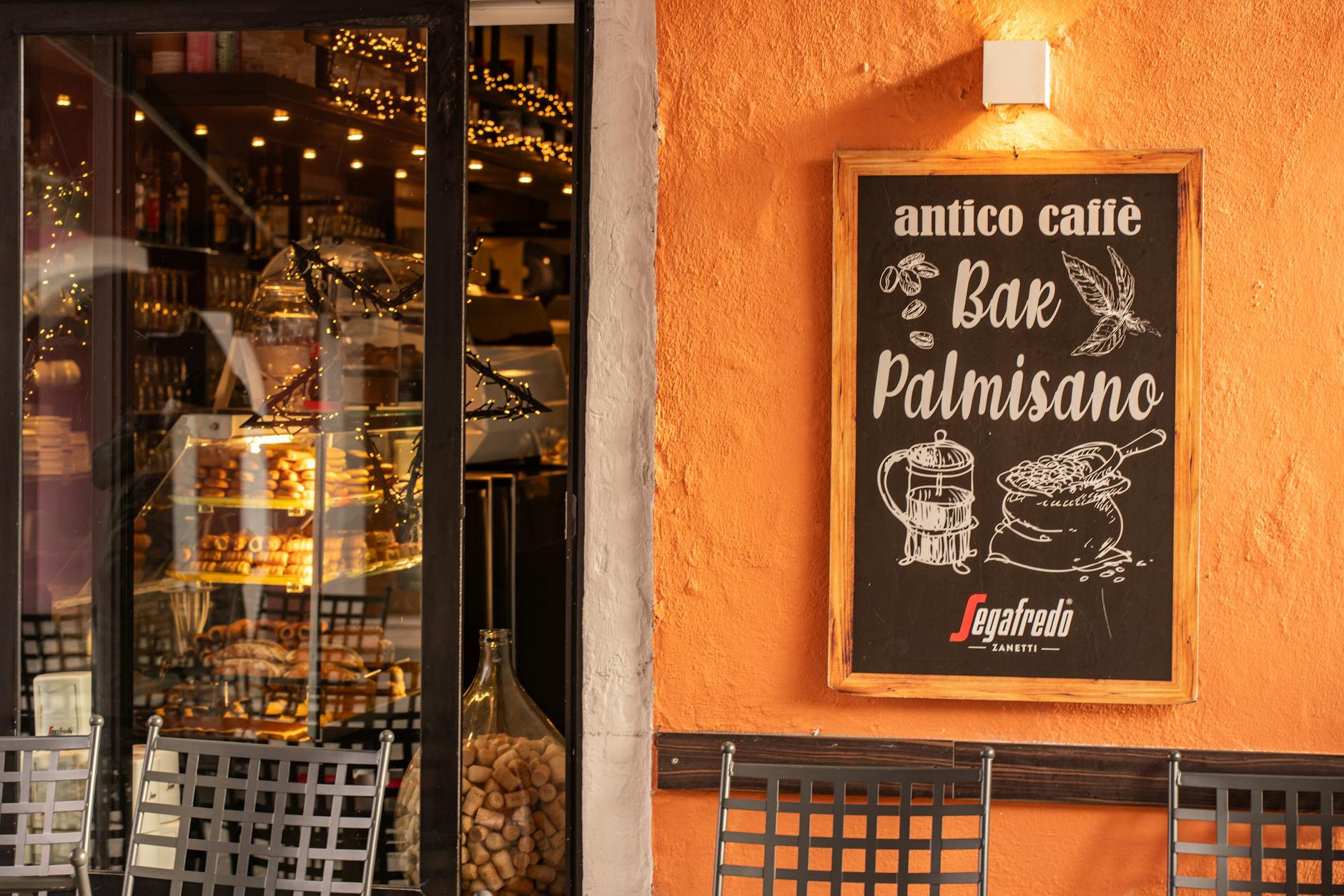
Coffee and food
Milanese breakfast is a quick, sweet affair: a coffee and a brioche, the local word for a cornetto, often eaten standing at the bar on the way to work. Do not expect a savoury cooked breakfast unless you seek out a brunch spot. After dinner, an espresso is standard, sometimes corretto with a splash of grappa, but never a cappuccino. If you want the full picture of the city’s eating habits, our guides to traditional Milanese food“>traditional food and the best restaurants“>best restaurants round things out, and there is no better sweet pairing for an afternoon espresso than a scoop from our best gelato guide“>gelato guide.
Frequently asked questions
Can I order a cappuccino in the afternoon in Milan?
You can, and no one will refuse you, but it marks you as a visitor because Milanese treat cappuccino strictly as a breakfast drink. After lunch or dinner, locals order an espresso or a caffè macchiato instead. If you want something milky later in the day, a marocchino is a more local choice and just as satisfying.
How much does coffee cost in Milan?
An espresso standing at the bar costs around €1.10 to €1.50, and a cappuccino about €1.50 to €2. These prices are remarkably consistent across the city. The big variable is table service: sitting down, especially on a famous square or terrace, adds a service charge that can several times the price, so stand at the bar to keep it cheap.
What is a marocchino?
A marocchino is a small northern Italian coffee made with a shot of espresso, a dusting of cocoa, and a little milk foam, usually served in a small glass. It is a Milan-area favourite and a great option when you want something between an espresso and a cappuccino, or simply a sweeter afternoon treat that locals actually drink.
Where can I find specialty coffee in Milan?
Milan’s third-wave scene is small but growing. Orsonero near Porta Venezia is the pioneering specialty espresso bar, and Loste Café in Isola pairs excellent coffee with Nordic pastries. You will also find good independent roasters and flat whites around Brera and Isola. For traditional Italian espresso, almost any neighbourhood bar will do well.
Do Milanese drink takeaway coffee?
Rarely. The norm is to drink coffee standing at the bar in a ceramic cup, taking a couple of minutes over it before moving on. Takeaway paper cups exist, especially at international chains and stations, but they are not part of traditional Milanese coffee culture. Doing as locals do and drinking at the counter is cheaper and more enjoyable.
Final thoughts
Coffee is the easiest way to feel like you belong in Milan, and it costs about a euro. Pay at the till, stand at the bar, knock back an espresso or a marocchino, and you are in. Save the grand cafés like Camparino and Cova for a slow, beautiful sit-down when you want the ceremony, seek out Orsonero when you crave a flat white, and skip the cappuccino after lunch. Get that rhythm right and the city opens up one small cup at a time.
Leave a Reply