If you only do one cultural thing in Milan that costs more than a coffee, make it this: write a La Scala Milan guide moment into your trip. I have sat in the loggione with a paper libretto on my knee, watched a tenor crack a high C from a side-box at palco level, and queued at 4pm on a Wednesday for a 9-euro standing ticket to a Verdi I had already heard six times. Teatro alla Scala is not a building you tour for the marble. It is a working opera house with a 248-year argument going on inside it about how Italian music should sound, and there is room for you in the back of that argument if you know how to walk in.
This guide covers what nobody tells you on the official site: how the seat geometry actually works, which 9-euro trick gets you into a sold-out prima, what to wear so the Milanese ushers do not raise an eyebrow, and which three trattorie around Piazza della Scala will feed you a plate of risotto alla milanese in 35 minutes flat before curtain. I have used the La Scala Milan guide rhythm below on roughly a dozen of my own visits since 2019, and it still works in 2026.
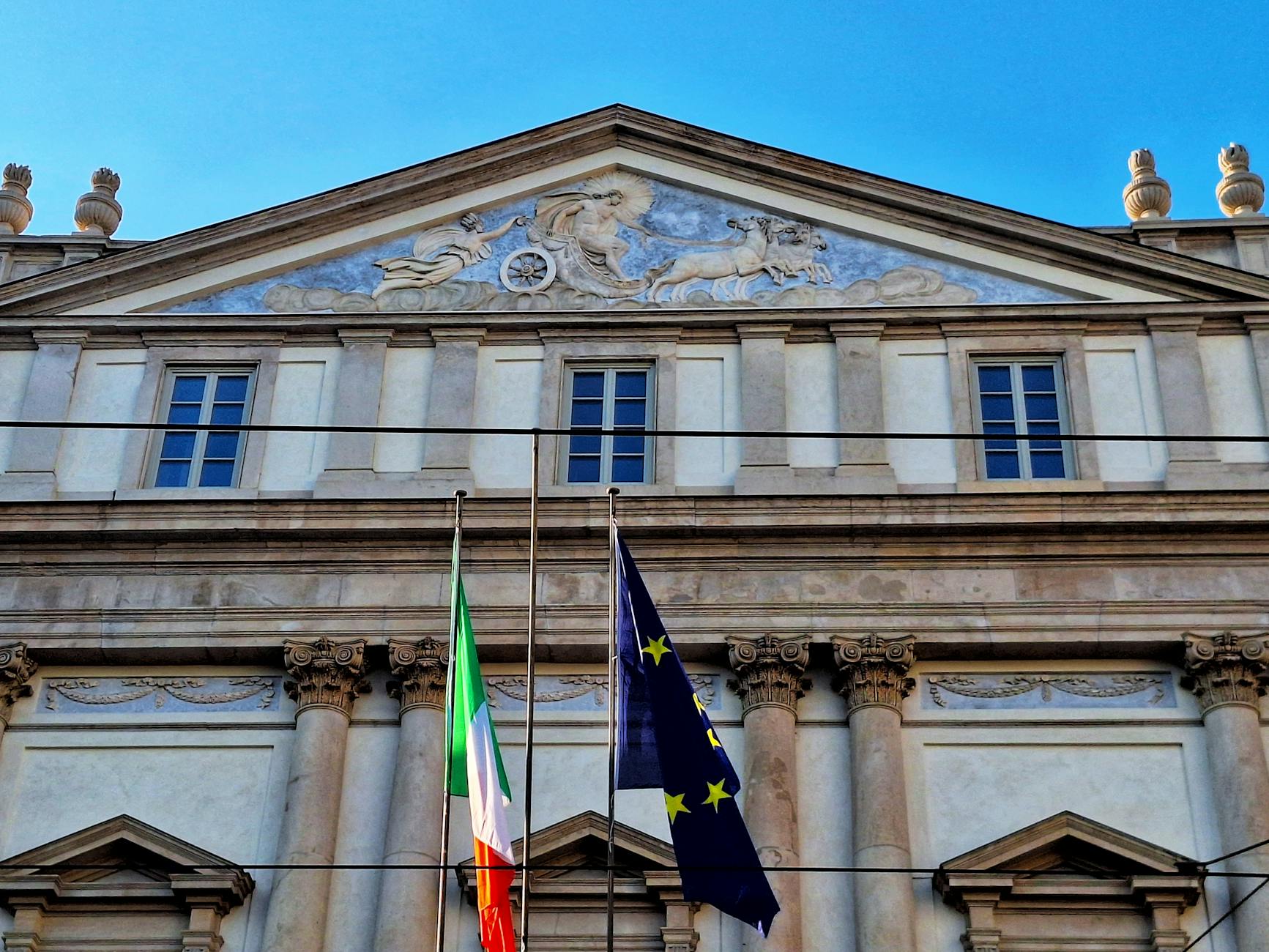
Why Teatro alla Scala matters in opera history
Built in 1778 on the bones of a burned-down church (the Santa Maria alla Scala, which is where the name comes from — not, as half the guidebooks claim, from a staircase), La Scala is where Italian opera grew up. Rossini premiered La gazza ladra here in 1817. Bellini wrote Norma for this house. Verdi’s career effectively started here with Nabucco in 1842 and ended here with Falstaff in 1893. Puccini’s Madama Butterfly got booed off this stage on its opening night in 1904 — one of the most famous flops in music history, and Puccini rewrote the second act in two months.
That history sits in the room with you. The acoustics in the platea are warm and slightly bright on the high strings — engineers measure a reverb time of about 1.2 seconds, which is dry by modern concert-hall standards but perfect for the consonants of Italian. You are hearing operas the way the composers heard them in the room they were written for. There is no other house in the world where that is as consistently true.
The theatre seats around 2,030 across six tiers — platea on the floor, then four levels of palchi (boxes), then two galleries (galleria) on top. The top gallery is the loggione, where the famously brutal opera fans known as loggionisti sit and, when displeased, boo. Roberto Alagna walked off this stage in 2006 after a single boo from the loggione during Aida. That is the energy of the room.
How to get tickets without losing your mind
There are four serious paths into La Scala. Pick one based on how much lead time you have.
1. The official website (teatroallascala.org). Single tickets for a given production usually go on sale about two months before the performance. The site is in English, accepts foreign cards, and adds a 20% presale fee. Book a seat you actually understand — the seat map is interactive but the box numbering takes a minute to decipher (more on geometry below).
2. Subscription (abbonamento). If you live in Milan or visit four-plus times a year, the subscription is the cheapest per-show route and guarantees the same seat across a season. Subscribers get first crack at the December 7 opening night before the public sale.
3. Same-day gallery tickets at the box office. La Scala still releases day-of gallery ingressi for around 13 euros to walk-ups. You queue at the Largo Ghiringhelli entrance behind the theatre. Show up by 10am for an evening performance during high season; by noon for a midweek night in low season.
4. The 9-euro loggione standing trick. See the dedicated section below — this is the single best move in the house, and almost no tourists know it works.
For the Prima della Scala on December 7 — the opening of every season, attended by the President of Italy and broadcast live nationally — single tickets go on sale in September and disappear in roughly two hours. Prices run from about 200 euros for a top gallery seat to 2,500+ euros for a palco centrale. If you want the prima, set a calendar reminder for the public sale opening and have your card ready. I have only done it once and I paid 380 euros for a gallery 2 seat that gave me a partial view of the conductor and a full view of the entire room screaming bravo.
Ticket prices and seat geometry, decoded
The auditorium is a horseshoe, which means three things matter: how high you are, how far around the curve you are, and whether the box you booked has a structural column blocking part of the stage. Here is the honest breakdown for a standard opera in 2026:
- Platea (stalls), prime rows 5-12 center: 200-300 euros for an A-list production (Verdi, Puccini, a Riccardo Chailly podium); 110-150 euros for a midweek standard run. Best acoustics, best sightlines, no compromise.
- Platea side rows or back rows: 90-160 euros. Sound is still excellent. Sightlines fine.
- Palchi centrali, tiers 1-2 (center boxes, first two levels): 180-280 euros per seat. Front-of-box only. The boxes seat 4-6 people and the back two seats see almost nothing — book row 1 or do not book.
- Palchi laterali, tiers 1-3 (side boxes): 80-180 euros. Visione parziale — partial view. You see maybe 60-80% of the stage. Acoustics are gorgeous.
- Palchi, tiers 4 and above: 50-110 euros. Steep angle down. Side boxes here see less than half the stage; honestly skip them unless you are paying under 60 euros.
- Galleria 1 (gallery 1): 40-90 euros. Front rows give you a full stage view from height. Good value.
- Galleria 2 (gallery 2): 25-50 euros. You are high. Bring a small pair of binoculars or rent them at the cloakroom.
- Loggione (top, standing or last gallery rows): 15-30 euros assigned, 9-13 euros standing day-of.
One geometry hack: the palchi di proscenio (proscenium boxes, right next to the stage at all four levels) are sold at a discount because they have terrible sightlines onto half the set — but they have phenomenal acoustics and you are close enough to read the singers’ eyebrows. I once paid 75 euros for a proscenium 2 ticket to a Don Giovanni and could have reached out and shaken the Commendatore’s hand.
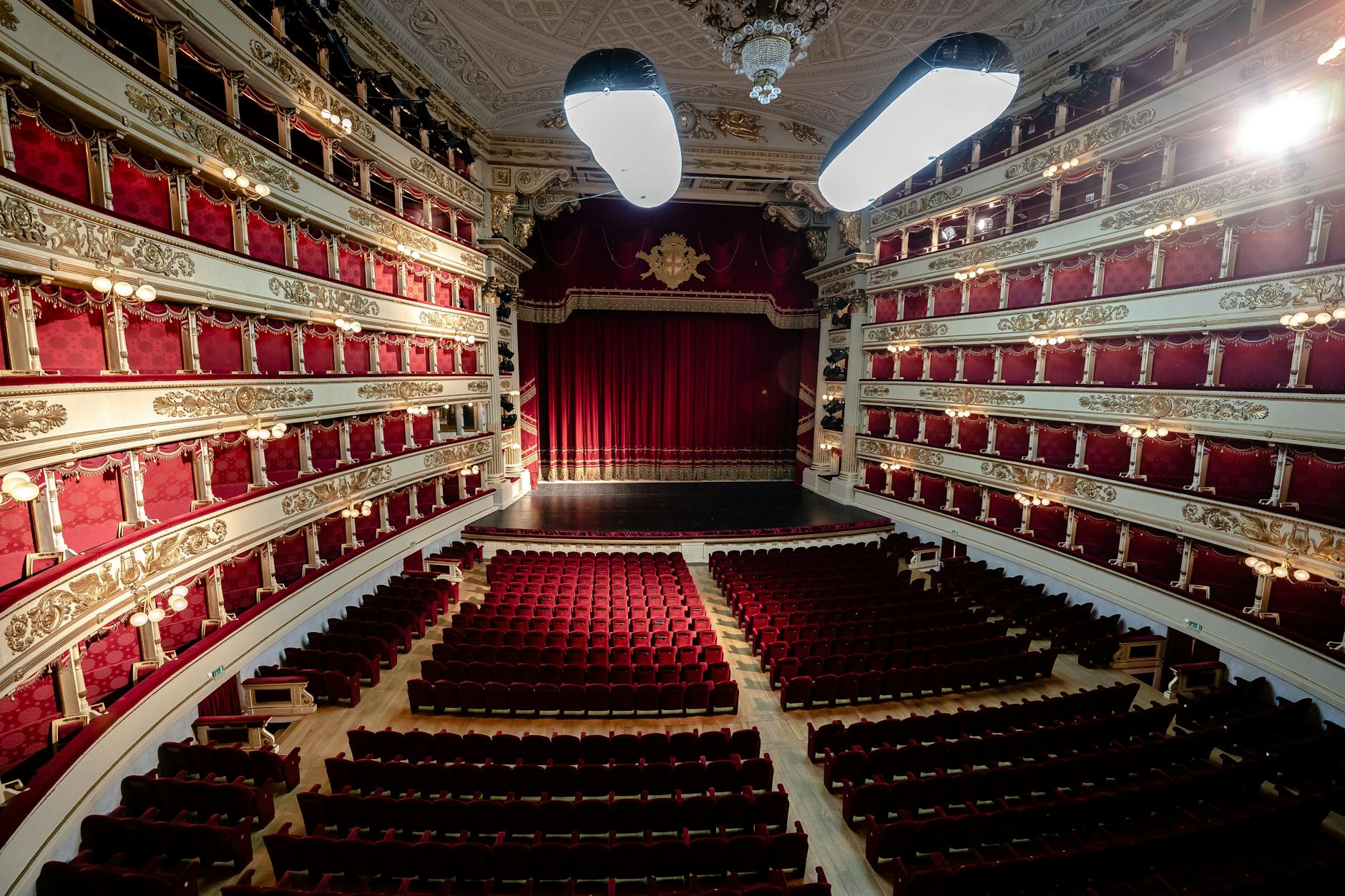
The 9-euro loggione standing trick
This is what locals actually do, and it works for sold-out shows.
About 140 standing-room tickets in the loggione are released two hours before every performance, sold only at the box office, only in person, for between 9 and 13 euros depending on the production. They are numbered. The system since 2018 is this: you go to the Largo Ghiringhelli box office in the morning of the show (or the day before for guaranteed access during prima season), put your name on a list, get a number, and come back 90 minutes before curtain to claim your standing ticket. You pay cash or card on collection.
What you get: a standing spot on the top gallery, leaning on a wood railing, with a full plunging view of the stage. You are surrounded by the loggionisti — older Milanese subscribers who have been seeing operas in this exact spot since the Karajan years and have opinions. They will sometimes hand you a photocopied libretto. If a tenor flubs a high note they will hiss. If a soprano nails the third-act aria they will scream brava like the building is on fire. It is the most fun way to see opera I have ever found.
Three things to know:
- Bring water and wear flat shoes. You will stand for 3-4 hours with a 30-minute intermission.
- The line forms early on Prima nights and big-name productions. For a midweek Il barbiere di Siviglia, you can walk up at 5pm and still get in.
- Do not clap during scenes. The loggione will absolutely shame you, and they are right.
Also separate: La Scala runs a last-minute sale at the box office one hour before curtain, where unsold seats in all categories are released at roughly 25% off face value. If a Saturday Tosca failed to fill the upper boxes, you can sometimes walk away with a 90-euro gallery 1 ticket for 65 euros. This is a real strategy, and I have used it twice.
The Museo Teatrale alla Scala and theatre tour
If you cannot get to a performance — or you want to see the room in daylight — the museum entrance at Largo Ghiringhelli runs daily from 9:30am to 5:30pm. Standard ticket is 12 euros, open ticket 15 euros, and it includes a peek into the auditorium from one of the boxes (rehearsals permitting). I have shown up at 11am and been alone in the room with the chandelier on full burn. It is a moment.
The museum collection itself is a serious one: Verdi’s top hat and the conductor’s baton he used at the premiere of Otello; Maria Callas’s costumes from her late-1950s seasons; Toscanini’s annotated scores; portraits of every music director since Faccio; Liszt’s Steinway upright that he played in his Milan apartment in the 1830s. The Livia Simoni library upstairs holds 150,000 volumes and is open to researchers.
For the proper guided theatre tour — Royal Box, historic foyers, the corridor where the singers warm up — book the official 2:30pm English tour at 39 euros, or any of the third-party skip-the-line tours through Viator or GetYourGuide running 36-49 euros. The official tour is smaller (capped around 20 people) and the guides are usually conservatory students who can tell you what year Verdi rewrote which act. Worth the extra eight euros.
Programming, the season, and what runs when
The Scala opera house Milan season runs December 7 (Prima) through the end of July, with a six-week opera break in August and a smaller autumn concert season from September to early December. Inside the year you get roughly:
- 14-15 opera productions, each running 6-10 performances over 2-4 weeks.
- 6-7 ballet productions from the Scala Ballet Company, which is one of Europe’s three serious ballet houses. Lo schiaccianoci (Nutcracker) every December, a Balanchine triple bill in spring, and usually one new commissioned piece.
- Filarmonica della Scala concerts — the resident symphony orchestra plays roughly 12 subscription concerts a year, often under Riccardo Chailly or guest conductors.
- Recitals — about 8-10 per year, including the legendary Bryn Terfel and Jonas Kaufmann nights when they show up.
For your first visit I would steer you toward the December-March stretch (heart of season, dramatic productions, easier to align with a Milan city break) or June-July (lighter repertoire, often Mozart and Rossini, cheaper tickets, and the city is alive). August is dead. Avoid.
Where to eat before the show
Curtain at La Scala is almost always 8pm (occasionally 7:30pm or 6pm for the long Wagner nights). You want to be at the theatre by 7:30pm, which means you are eating at 6pm or earlier — that is hideously early by Milanese standards, so you need restaurants that take pre-show diners seriously. Here are three I keep going back to, plus two for after.
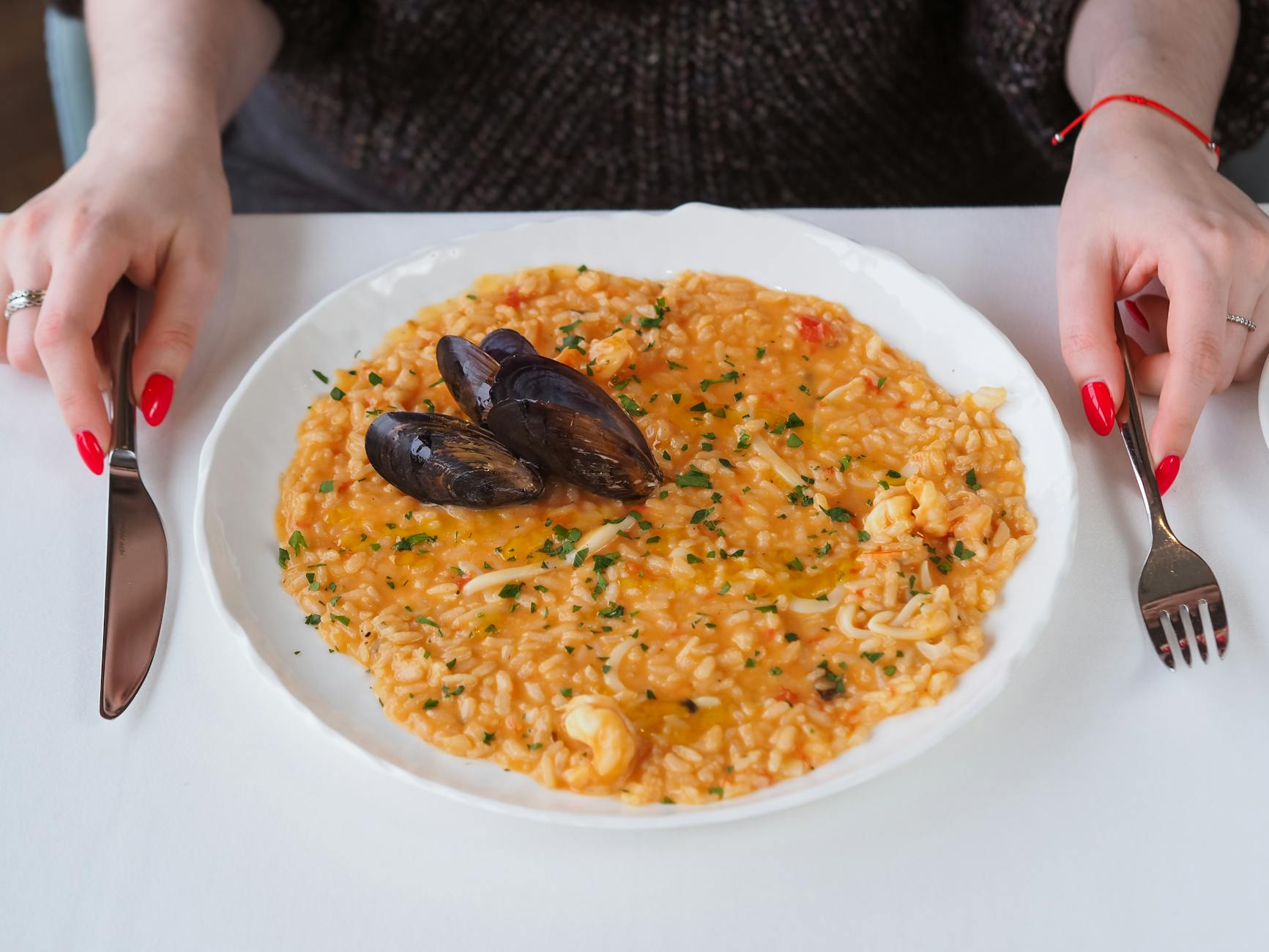
Trattoria Milanese (Via Santa Marta 11, 8 minutes’ walk from La Scala). Open since 1933, run by the same family for three generations. Order the risotto alla milanese with bone marrow (22 euros) and the cotoletta alla milanese (32 euros) — the breaded veal cutlet that is the city’s signature dish. They will get you out in 75 minutes if you tell them you have a 7:30pm curtain. Book ahead.
Boeucc (Piazza Belgioioso 2, 4 minutes from La Scala). Milan’s oldest restaurant, operating since 1696, hidden in a courtyard behind Palazzo Belgioioso. White tablecloths, jacket helpful but not required at lunch. The vitello tonnato (28 euros) and the ossobuco with saffron risotto (42 euros) are textbook. Pricier — figure 80-110 euros per person with wine — but a proper pre-opera meal.
Spontini (Via Santa Radegonda 11, 7 minutes from La Scala). The opposite of Boeucc: a no-reservation Milan institution slinging thick-crust square pizza al taglio since 1953. A slice of margherita is 6.50 euros. Eat standing, be at the theatre in 20 minutes flat, do not regret it. This is what I do on standing-ticket nights.
For after the show, when you walk out at 11pm hungry and over-stimulated: Camparino in Galleria (Piazza del Duomo, inside the Galleria Vittorio Emanuele II) for a Negroni Sbagliato at the bar where the Negroni Sbagliato was reportedly invented (16 euros, worth it once). Or Bar Basso in Loreto, the actual home of the Negroni Sbagliato, if you want to argue about which is the real one — it is a tram ride away and worth it for the late-night vibe.
Dress code and practical tips
In July 2025 La Scala reinstated and started enforcing a real dress code, with no refunds for violations. The current rule, as enforced by ushers in 2026:
- No shorts. Not even tailored ones. Long trousers or a skirt/dress of at least knee length.
- No sleeveless T-shirts. Sleeveless dresses and tops are fine for women; men need sleeves.
- No flip-flops or beach sandals. Closed shoes or proper sandals only.
- No baseball caps inside the auditorium.
That is the floor. Above the floor, dress as if you are going to a nice dinner. For men, a jacket without tie is the safe move year-round; in winter, a sweater and trousers is fine in the gallery. For women, anything from a smart dress to dark jeans with a blazer reads correctly. The Milanese in the platea will be more dressed up than you. Do not try to compete with them; just clear the bar.
For the December 7 Prima specifically, it is full black tie. Tuxedo for men, long gown for women. Non-negotiable, and if you show up in a regular suit you will see actual disappointment on the ushers’ faces.
Other practical points: doors close when the lights dim and latecomers are held in the foyer until the first intermission — there is no second chance. Most operas run two acts with one 30-minute interval, but Wagner runs three acts plus two intervals plus a long evening. Buy the libretto (8 euros at the lobby kiosk) if you are seeing anything in German or Russian — the surtitles above the proscenium are bilingual Italian-English but they move fast. Coats go to the cloakroom (free). Phones off — they really do check, and the loggionisti will hiss at a lit screen from three tiers up.
Best performances to start with — Italian opera 101
If this is your first opera, do not start with Wagner. Do not start with Berg. Start with these:
- La traviata (Verdi). Three acts, three hours including interval, an aria you already know from at least one car commercial, and a plot you can summarize in two sentences. Almost always running in any given Scala season.
- Tosca (Puccini). The most cinematic opera ever written — political thriller, double-cross, jumping off a parapet at the end. Three acts, intense, brutal, and you will not be bored for a second.
- Il barbiere di Siviglia (Rossini). A comedy. Lighter, faster, funnier, the “Figaro Figaro Figaro” aria is in act one and you will recognize it. Good entry point if you suspect you might not like opera.
- Madama Butterfly (Puccini). Heavier. Go if you can take a tragic ending; do not go on a date.
- The Nutcracker (December ballet). If opera scares you, the Scala Ballet’s annual Schiaccianoci at Christmas is two hours of pure technical fireworks and you do not need to follow any libretto.
Avoid for a first visit: anything by Wagner over 4 hours, any contemporary commission (the loggione will be in a bad mood), and full opera seria in Italian without surtitles in your language.
Combine with what is nearby
La Scala sits on Piazza della Scala, which connects directly to Piazza del Duomo via the Galleria Vittorio Emanuele II. Within a 10-minute walk you have most of the city’s marquee sights. A practical half-day plan for the day of an evening performance:
- Morning: climb the Duomo roof terraces (book the elevator ticket, 16 euros, go by 9am to beat the crowds).
- Late morning: walk through the Galleria Vittorio Emanuele II, do the heel-spin on the bull mosaic, browse the windows you cannot afford.
- Lunch: head into Brera, 8 minutes’ walk north of La Scala, for the Pinacoteca di Brera (15 euros, two hours minimum if you care about Renaissance painting) and a long Aperol on Via Fiori Chiari.
- Afternoon: walk west to the Castello Sforzesco and the Sempione park behind it, or south to the Last Supper at Santa Maria delle Grazie if you booked ahead (and you needed to book months ahead).
- Pre-show: back to one of the restaurants above for 6pm.
- Post-show: drinks in the Galleria or head into Brera for late dinner.
For broader planning across multiple days, our full Milan itineraries guide and the Milan attractions guide will frame La Scala into a 2-, 3-, or 5-day Milan trip without you missing the other big hitters. If you want to know what the city does after curtain, the things to do in Milan at night piece and the Milan nightlife guide cover where the post-opera crowd actually drinks. The wider things to do in Milan overview and the Milan churches roundup fill in the other half of the cultural week.
FAQ
How do I get cheap La Scala tickets?
Three real routes: day-of gallery ingressi at the Largo Ghiringhelli box office for around 13 euros (queue from mid-morning); the 9-13 euro loggione standing tickets released two hours before curtain; or the one-hour-before last-minute sale where unsold seats across all categories go for roughly 25% off. Students under 26 and seniors get the GSA discount (up to 25% off) on most categories. The 200-euro platea seats almost never discount.
Is La Scala worth visiting if I do not know opera?
Yes — but go to a performance, not just the museum. The museum is good but it is a museum. The point of La Scala is the room when it is full, the chandelier dimming, and 2,000 Milanese leaning forward at the same second. Pick La traviata or Il barbiere di Siviglia as a first opera, sit in gallery 1 for 50 euros, and you will not regret it. If you genuinely cannot do a performance, the 39-euro guided theatre tour is the next best thing.
What is the Scala dress code in 2026?
Reinstated and enforced as of July 2025. Floor rule: no shorts, no sleeveless T-shirts for men, no flip-flops, no baseball caps in the auditorium. Above the floor: smart casual to dressy. For the December 7 Prima, full black tie required.
How long is a typical La Scala performance?
Most operas run 3 to 3.5 hours including one 30-minute interval. Wagner can stretch to 5 hours with two intervals. Ballets are typically 2 to 2.5 hours. Concerts are 90 minutes to 2 hours with one interval. Doors close when the lights dim and latecomers wait outside until intermission.
Can I take photos inside La Scala?
Photos allowed in the foyers, lobbies, and (without flash) from the boxes before the performance starts. Photos and video during the performance are strictly forbidden and ushers will stop you. The chandelier and the auditorium are photographed best from a tier-2 side box about 15 minutes before curtain.
Should I book the theatre tour or just buy museum entry?
If you have any interest in the theatre as a working building — backstage, Royal Box, where the singers warm up — pay the extra 24 euros for the guided tour. If you are tight on time and just want to see the room and the costumes, the 12-euro museum ticket with the box peek is enough.
Final thoughts
The best La Scala visit I ever had cost 9 euros. I queued at 4pm on a damp Wednesday in February, got standing-ticket number 73, walked to Trattoria Milanese for risotto, came back at 7:30pm, climbed the stairs to the loggione, and watched a Riccardo Chailly Falstaff from a wood railing six tiers above the stage with three older men in cardigans muttering about a tenor’s diction. At intermission one of them passed me a thermos of coffee. After the final chord the entire theatre stood for nine minutes of applause and the man next to me wept openly.
That is the version of La Scala you cannot buy in the 280-euro platea seat. It is also the version most tourists never find because they read the official site, see the prima prices, assume the whole house is out of reach, and book the museum ticket instead. Use this La Scala Milan guide to skip past that mistake. Get yourself into the room when the lights go down, in whatever seat you can afford. The room does the rest.