Italians take their espresso seriously, and Milan is one of the country’s most demanding coffee cities. The best Milan coffee guide doesn’t just point you to good cafés — it teaches you the language and rituals: ordering at the counter, paying first or after, the difference between a macchiato and a marocchino, and the unwritten rules every Milanese learns by 12. Most travellers leave the city having drunk thirty espressos without ever quite understanding the system. This guide fixes that.
Below, you’ll find Milan’s 14 best historic and specialty cafés, the menu words you actually need, what to order at each time of day, and how to pay €1.10 for an espresso instead of €5. For broader food planning, see our pillar Milan food guide.
How Milan Coffee Culture Works
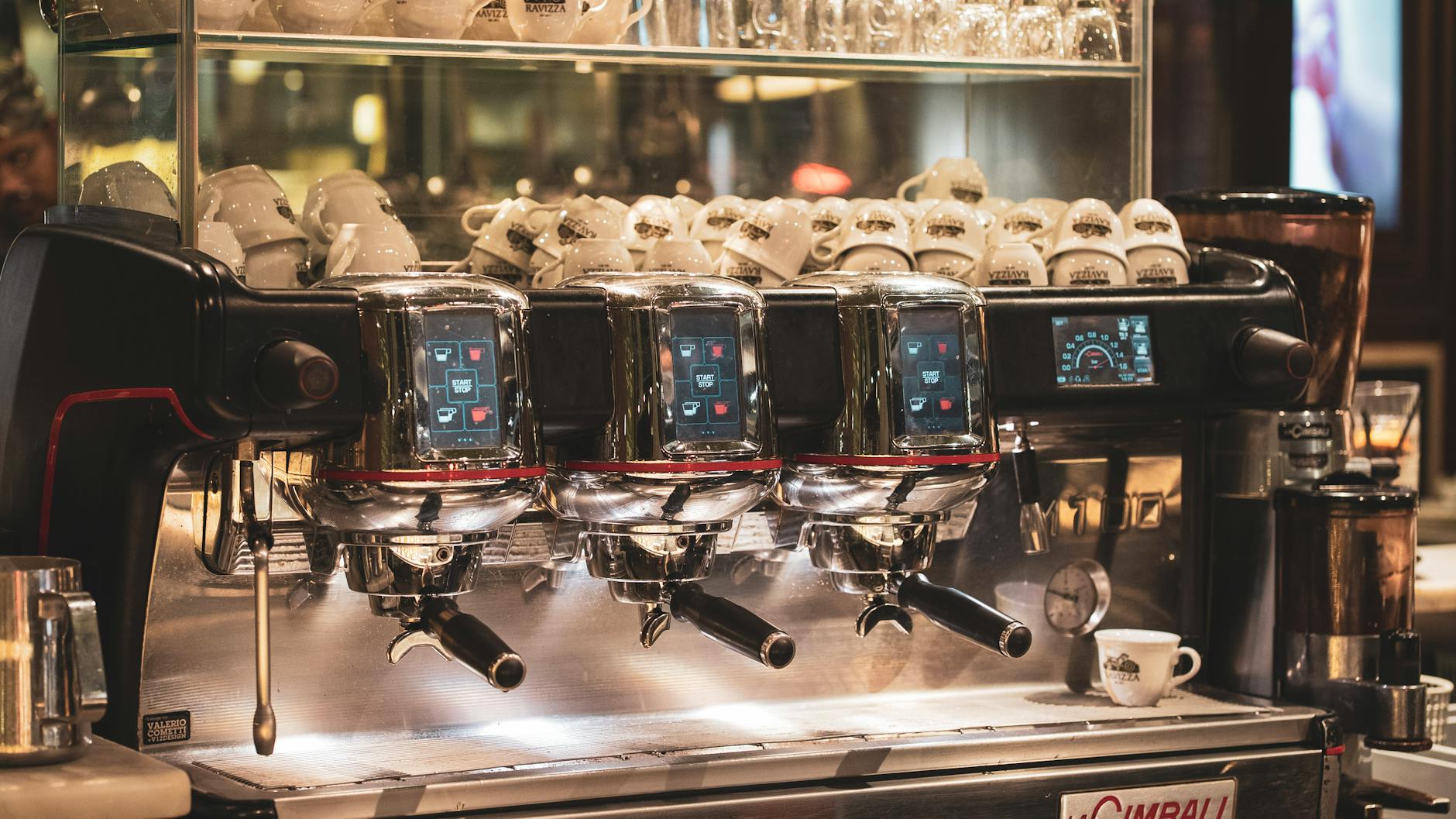
Italian coffee is fast, cheap, and standing-up. The bar — meaning a coffee bar — is where Milanese drink coffee, almost always at the counter (al banco). Sit at a table and you’ll pay 2–3x the standing price. The morning ritual: walk in, say “buongiorno”, order at the counter (“un caffè, per favore”), drink standing in two minutes, leave a few coins, walk out. Total time: about 4 minutes. Total cost: €1.10–1.40.
Some Milanese cafés (Pasticceria Marchesi, Cova) have introduced a “service charge” or counter-only pricing during peak times. Always check the small price list usually pinned beside the bar.
The Italian Coffee Menu, Decoded
The most common Milanese coffee orders:
Caffè — a single shot of espresso. Default order. Caffè ristretto — a “restricted” espresso, smaller and more concentrated. Caffè lungo — espresso with extra water, longer pull. Caffè macchiato — espresso with a “stain” of foamed milk on top. Caffè macchiato freddo — espresso with cold milk. Cappuccino — espresso with steamed milk and foam, 1:2:1 ratio. Cappuccino tiepido — a less-hot version. Marocchino — espresso, cocoa, foamed milk in a glass. Caffè corretto — espresso “corrected” with a shot of grappa or sambuca. Caffè shakerato — espresso shaken with ice and sugar. Caffè decaffeinato — decaf, often called “deca”. Caffè americano — espresso watered down to filter-coffee size; rare in traditional bars. Cappuccino is strictly a morning drink in Italy; ordering one after lunch tags you as a tourist.
The Best Historic Cafés in Milan
1. Pasticceria Marchesi 1824
The 200-year-old café-bakery is now part of the Prada group with three Milan locations including a hot-pink salon inside Galleria Vittorio Emanuele II. Coffee €1.50 standing, €5 seated. Excellent panettone and pastries.
2. Caffè Cova
Founded in 1817, Cova is Milan’s grandest historic café (now near the Quadrilatero). Velvet booths, marble counters. Coffee €2 standing, €7 seated.
3. Camparino in Galleria
The original 1915 Campari bar in Galleria Vittorio Emanuele II. Belle Époque mosaics, white-jacketed bartenders. Better known for aperitivo, but the coffee is excellent.
4. Pasticceria Cucchi
A 1936 institution near Porta Genova. Coffee, pastries, and a Milanese aperitivo crowd. €1.30 espresso.
5. Sant Ambroeus Milano
The original (1936) Italian café whose name has been replicated worldwide. The Milan flagship is on Corso Matteotti. Coffee €1.50.
Best Specialty Coffee Roasters in Milan
6. Pavé Cafés
The Milanese bakery-café group’s third-wave coffee program is one of the best in the city. Multiple locations.
7. Cafezal Specialty Coffee
A small specialty roaster in the Garibaldi district. Single-origin espressos and excellent flat whites — both rare in Italy.
8. Orsonero Coffee
An Italian roaster from Sicily with a Milan flagship near Centrale. Excellent espresso flights.
9. Loste Cafe
A Scandi-Italian café in Brera serving naturally fermented coffees and Nordic-style pastries.
10. NOWHERE Coffee
The minimalist Tortona-area specialty bar where Milan’s design-week crowd takes its mid-afternoon caffeine.
Best Coffee Bars in Milan by Neighbourhood
11. Bar Luce (Fondazione Prada)
Wes Anderson’s pastel-perfect café inside Fondazione Prada. Coffee €1.50, paying for the design as much as the espresso.
12. Pasticceria Sissi (Porta Venezia)
An old-school neighbourhood pasticceria-bar. Excellent coffee, wider sweet selection, fewer tourists. €1.20.
13. Princi (Multiple)
The bakery chain (now Starbucks-owned) with espressi at €1.50. The Brera location is beautiful.
14. Bar Bianco (Parco Sempione)
The all-white modern café inside Parco Sempione. Coffee with a park view.
How Much Should Coffee in Milan Cost?
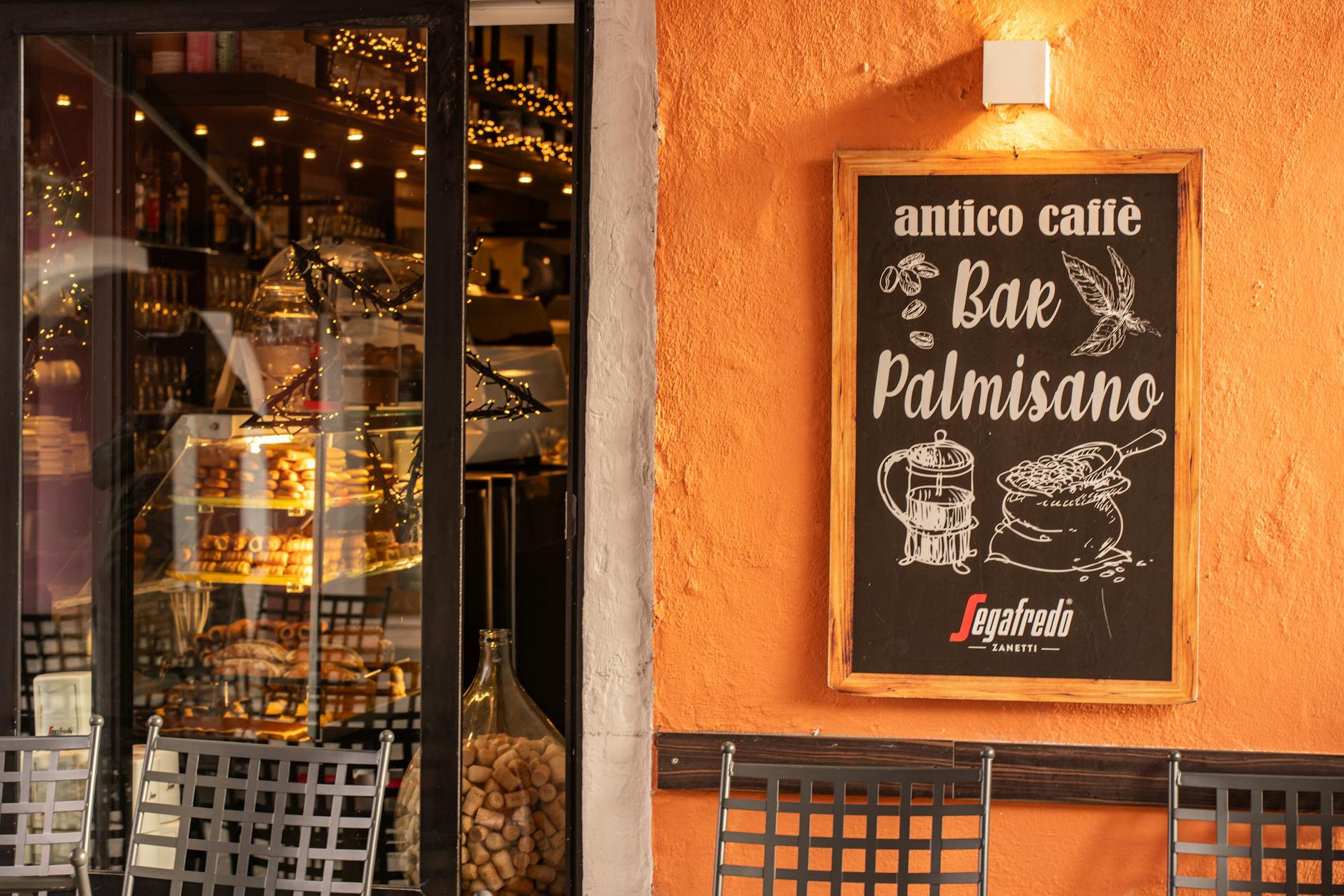
Real prices in Milan in 2026:
Espresso at the counter (standing): €1.10–1.50 in neighbourhood bars, €1.50–2.50 at historic cafés. Espresso seated at a table: €4–7 at most central bars, €7–10 at Galleria/Cova/Marchesi. Cappuccino: €1.50–2 standing, €4–6 seated. Specialty (single origin, flat white): €3.50–5 standing only. Anything over €3 for a standing espresso is overpriced.
Practical Tips for Milan Coffee Culture
A few small habits unlock the whole experience:
Pay first at the cassa (cash desk), then take the receipt to the bar and order. Some bars reverse this — but pay-first is more common in central Milan. Tip 10–20 cents per drink if you stand at the bar; not expected but appreciated. Don’t drink cappuccino after 11 a.m. if you want to blend in. Caffè after dinner is universal — even at the most Michelin-starred restaurant. Espresso is short on purpose — drink it fast, don’t sip slowly. Sugar is welcome; the Milanese add it freely.
For more on coffee history, the official Lavazza Italian coffee culture and Gambero Rosso Milan guides cover the latest specialty openings.
Espresso Pairings: Pastries and Sandwiches
Italians always eat something small with their morning coffee. The standard Milanese pairings: cornetto (Italian croissant, simpler and less sweet than the French version), brioche con crema (custard-filled), maritozzo (raisin bun, very sweet), or focaccia. Most cafés sell these for €1.30–2 standing, €3–5 seated. For more, see our Milan street food guide.
The Final Word on the Milan Coffee Guide
The best Milan coffee guide is short: order al banco, drink fast, learn three menu words (caffè, macchiato, marocchino), and skip cappuccino after 11 a.m. Pair with a cornetto and you’ve eaten a real Italian breakfast for €2.50 in three minutes. Add a stop at a specialty bar (Pavé, Cafezal, Orsonero) once a day and you’ve covered both ends of Milan’s coffee culture — old and new.
For broader planning, browse our pillar Milan food guide, traditional Milanese food primer, and Milan aperitivo guide.